The Economic Disconnect: Why Your Wallet Feels the Pinch Despite Positive Inflation Reports
Have you ever entered a grocery store for a few essentials and walked out $75 lighter, questioning if your eggs were sourced from a golden goose? You see the number on the gas pump and briefly consider horse ownership as a viable alternative. Later, you hear official reports that prices are going down, creating a sense of economic gaslighting.
On one hand, officials present charts indicating a positive turn. On the other, individuals examine their bank accounts, feeling the strain of a rising cost of living. One reality is told in statistics; the other is told by your receipt. This article explores that disconnect and provides actionable personal finance strategies.
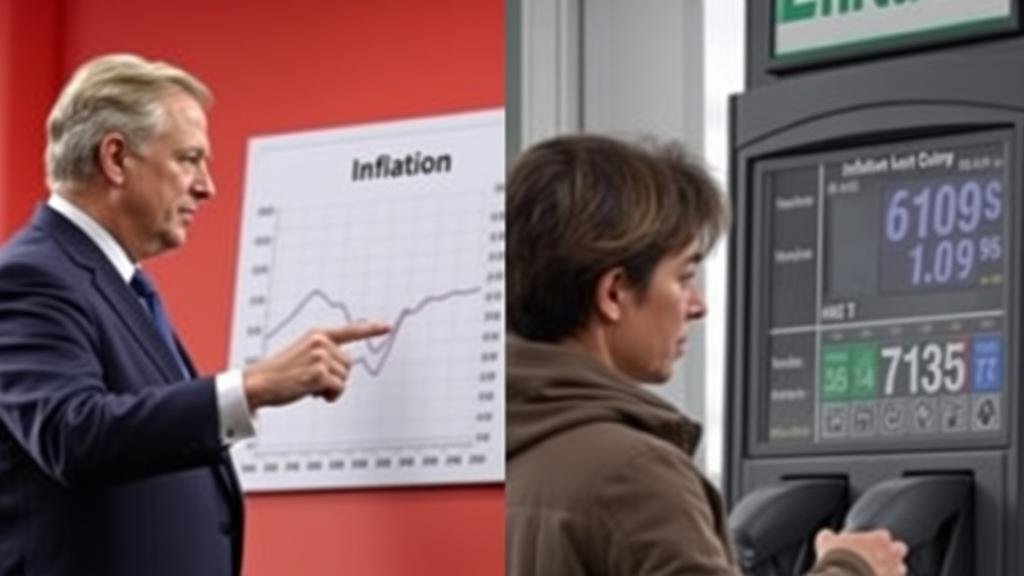
The Official Narrative: A Tale of Deceleration
When officials state that prices are “coming down,” they are referring to the rate of inflation slowing, a concept known as disinflation. Imagine you were heading toward a cliff at 100 mph and have now slowed to 30 mph. You are still moving forward, but the pace has decreased. The 8% inflation rate has cooled to a more manageable 3-4%.
This perspective is supported by several key indicators:
- The Consumer Price Index (CPI): As the government’s primary measure of inflation, the CPI has shown a decrease in its yearly increase since its peak in 2022.
- Wage Growth: The administration often highlights that wages are rising, and in some cases, outpacing inflation, suggesting an increase in purchasing power on paper.
- Low Unemployment: The unemployment rate remains at historic lows, a positive sign for the job market.
From a macroeconomic, data-driven perspective, this paints a cautiously optimistic picture. However, most people experience the economy on a much more personal level.
The Consumer’s Reality: Why Your Budget is Strained
While economists focus on the “rate of change,” consumers are contending with the “level” of prices. The significant price increases from recent years have become a semi-permanent feature of our economy.
Here’s why the official data may not align with your experience:
“Baked-In” Price Levels
The slowdown in inflation doesn’t erase the price hikes that have already occurred. The cost of essential goods and services is now substantially higher.
- Groceries: Food prices have increased by approximately 25% over the last four years. A grocery bill that was once $150 now approaches $190.
- Gasoline: While no longer at its peak, the price of gasoline remains significantly higher than in the past.
- Housing: The median U.S. rent has risen by about 30% in four years. For prospective homebuyers, navigating high mortgage rates feels less like achieving the American Dream and more like a financial nightmare.

The Impact of “Shrinkflation”
In addition to direct price increases, “shrinkflation” has become common. Consumers pay the same price or more for a smaller quantity of product, from bags of chips to toilet paper rolls.
The Gap Between Wages and Cost of Living
Although wages have grown for some, for many, the increase is insufficient to cover the rising cost of living. This leaves people feeling like they are working harder simply to maintain their financial position.
Political Implications of Divergent Economies
When a government’s economic narrative clashes with the daily financial realities of its citizens, it can create a significant credibility gap. Voters struggling with their grocery bills are unlikely to be persuaded by a presentation on disinflation. Their primary reality is their household budget.
A Practical Guide to Navigating a High-Cost Environment
While policymakers debate, you have bills to manage. Here are some concrete steps you can take to improve your personal finance situation.
1. Conduct a “Cost of Living” Audit
Begin by tracking your spending. Use a spreadsheet or a budgeting app to compare your current expenses for groceries, gas, and utilities to what they were a year ago. This knowledge is the first step toward taking control.
2. Optimize Your Grocery Spending
- Embrace Store Brands: They are often produced by the same manufacturers as premium brands at a lower cost.
- Utilize Coupons and Deals: Treat finding discounts as a way to unlock real-world savings.
- Comparison Shop: Your regular grocery store may not always be the cheapest option.
3. Review Your Subscriptions
Audit your monthly subscriptions. If you aren’t using a streaming service or other subscription regularly, consider canceling it. The money saved can be reallocated to essential expenses.
4. Manage High-Interest Debt
If you rely on credit cards, the high-interest debt can be a significant financial drain. Explore options like a debt consolidation loan or a 0% balance transfer credit card to reduce interest payments and pay down your principal faster. Opening a dedicated savings account for debt repayment can also be a powerful strategy.
The Bottom Line
The gap between the official economic story and your financial reality is valid. The only economy that truly matters is your own. By taking proactive steps in your personal finance, from budgeting to exploring the best investment accounts for your future, you can write your own success story. Consider this part of your long-term retirement planning—the test is next month’s bills.