End of an Era? Bank of Japan Signals a Major Monetary Policy Shift
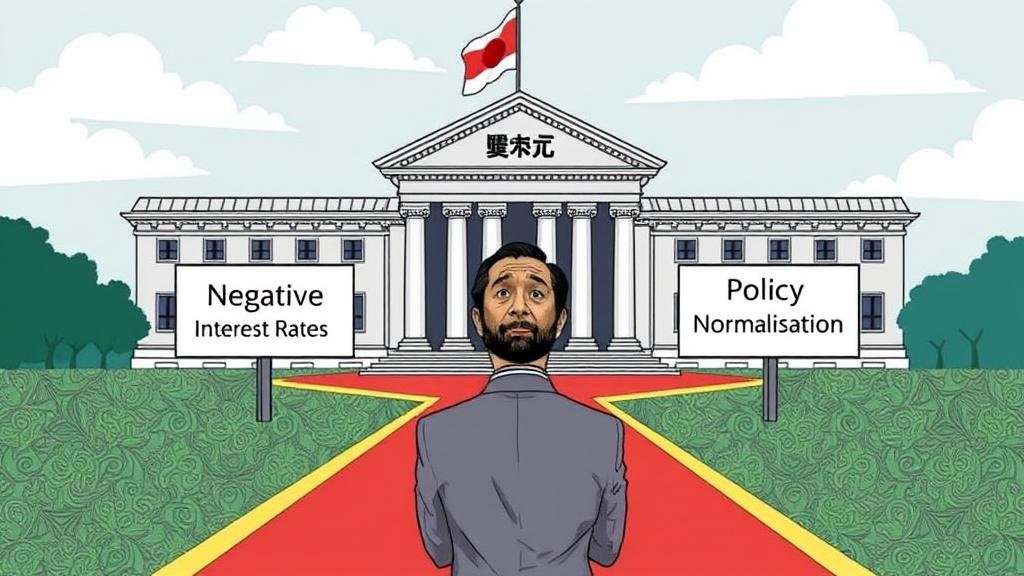
Is the Bank of Japan Finally Ready to Change the Game?
For years, the Bank of Japan (BOJ) has been the world’s most stubborn central bank, clinging to its negative interest rate policy while others hiked aggressively. But the tide is turning. Governor Kazuo Ueda has dropped a bombshell, suggesting a potential end to this ultra-loose monetary policy. In the cryptic world of central banking, this is a massive signal.
Ueda mentioned the need for “just a bit more data,” particularly on wage growth, before making a decision. For markets, this wasn’t procrastination; it was the sound of the engine revving for a major interest rate hike.

Markets React: Yen and Yields Surge
The market’s response was immediate and powerful. Japanese government bond yields, long suppressed by yield curve control, shot up as investors priced in a real possibility of a policy change.
Simultaneously, the yen, which has been notoriously weak, showed sudden strength. A stronger yen could be a game-changer for Japanese households, offering relief from high import costs that have squeezed family budgets, even if it poses a challenge for the nation’s export giants.
Why the Sudden Urgency?
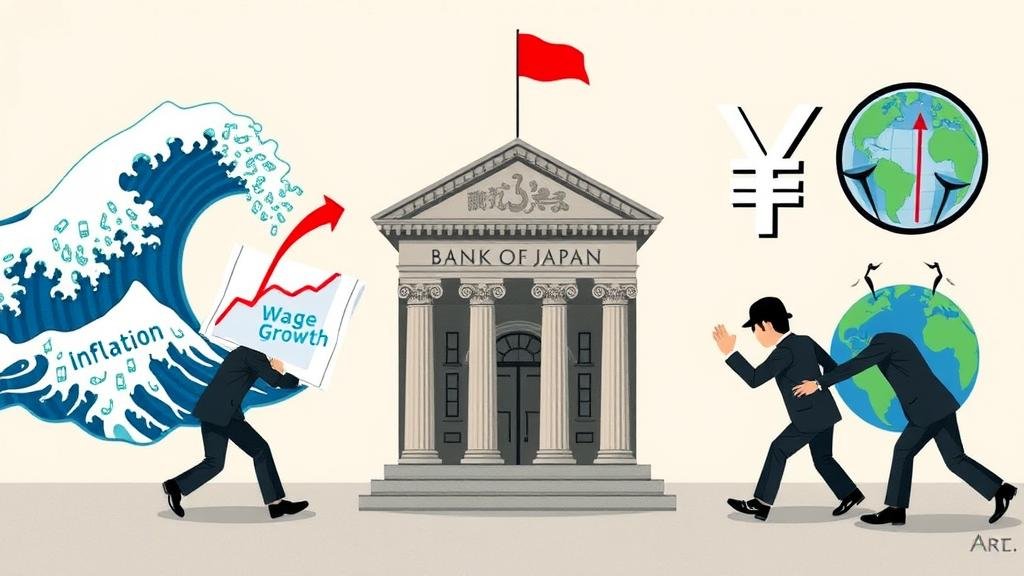
Four key forces are pressuring the BOJ to abandon its outlier status and normalize its monetary policy.
- Stubborn Inflation: Inflation in Japan has been above the central bank’s 2% target for more than a year. What was initially dismissed as a temporary spike now looks like a permanent feature of the economic landscape.
- The Promise of Wage Growth: For inflation to be sustainable, wages must rise too. Japan’s annual “shunto” wage negotiations are critical. If major companies agree to significant pay raises, it will give Governor Kazuo Ueda the green light he’s been waiting for to confirm the economy can handle higher borrowing costs.
- The Weak Yen Problem: The ultra-weak yen has been a double-edged sword. While it benefited large exporters, it hammered consumers by increasing the cost of imported goods. A rate hike would close the policy gap with other countries, making the yen a more attractive currency.
- Global Pressure: With the U.S. Federal Reserve and other central banks having raised rates significantly, the BOJ’s inaction was creating global market distortions. Aligning its policy would signal Japan’s return to the global monetary consensus.

What to Expect from the BOJ’s Next Meeting
The stage is set for a landmark policy meeting. Here are the most likely scenarios:
- The Rate Hike: The BOJ finally pulls the trigger and ends its negative interest rate policy. This would mark the end of a major economic era.
- The Hawkish Hold: The bank holds rates but uses strong forward guidance to signal that a hike is imminent, preparing markets for a move in the near future.
- A Policy Twist: Never underestimate the BOJ’s capacity for surprise. It could introduce a completely unexpected change to its framework, such as altering its yield curve control.
A New Chapter for Japan’s Economy
A Bank of Japan rate hike would be more than a technical adjustment; it would launch a new era for Japan and the global economy. Investors are on high alert, and the world is watching Tokyo. The era of unconventional monetary policy may finally be coming to an end.