An Unbroken Legacy: Why Ancient Greece Still Shapes Our Modern World
The Unforgettable Dawn: Revisiting the Enduring Legacy of Ancient Greece
Alright, before we get into the nitty-gritty, let’s do a quick refresher on why we even care about Greece. And no, I’m not just talking about their top-tier souvlaki or those islands that clog your Instagram feed every summer. I’m talking about the foundations of Western civilization they gave us that we use every day.
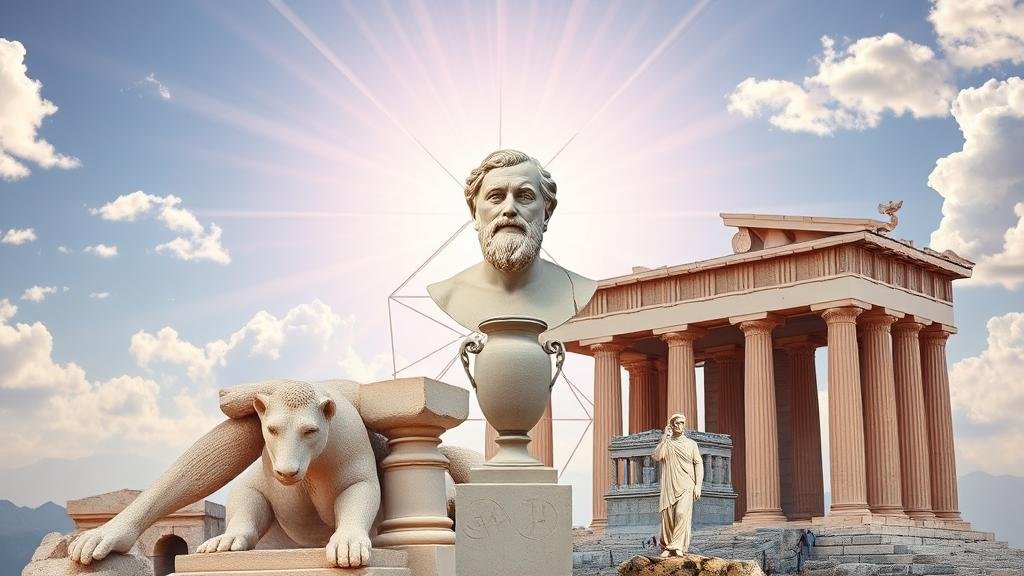
- Democracy and Governance: You know that thing where we argue about politicians on the internet and then vote? Yeah, you can thank the Greeks for that. They cooked up this wild idea called demokratia (“people power”), where average Joes, for the first time ever, got a say. A truly radical concept, and the blueprint for modern governance and why you get jury duty summons. You’re welcome.
- Philosophy and Critical Thinking: Socrates, Plato, Aristotle. The original boy band of big thoughts. These guys walked around Athens asking annoying questions, challenging everyone to think harder, and basically inventing Western thought. Every time you have a late-night existential crisis about the meaning of it all, congratulations, you’re doing philosophy. Their work demonstrates the timeless relevance of the big questions.
- Arts, Literature, and Architecture: Homer’s Iliad and Odyssey? The original binge-worthy series, complete with epic battles, monsters, and a hero who takes ten years to get home from a business trip. Their theaters gave us tragedies that are still more dramatic than a reality TV reunion. And those columns on government buildings? That’s the Greeks’ architectural aesthetic, a core part of the legacy of Ancient Greece, still trending after 2,500 years.
- Science and Mathematics: Here’s the boring part. Just kidding—it’s actually kinda cool. Pythagoras and his theorem made high school geometry a special kind of “fun,” Euclid wrote the book on geometry for the next 2,000 years, and Archimedes was running around naked shouting “Eureka!” while discovering physics. These weren’t just toga-clad chin-strokers; they were the original science geeks whose ancient Greek contributions are still fundamental today.
So yeah, they left some pretty big sandals to fill. This is the enduring legacy of ancient Greece we’re talking about, and it’s this exact, ridiculously impressive legacy that modern Greece is getting side-eye for “dishonoring.”
The Accusation: A Tale of Crisis and Caricature
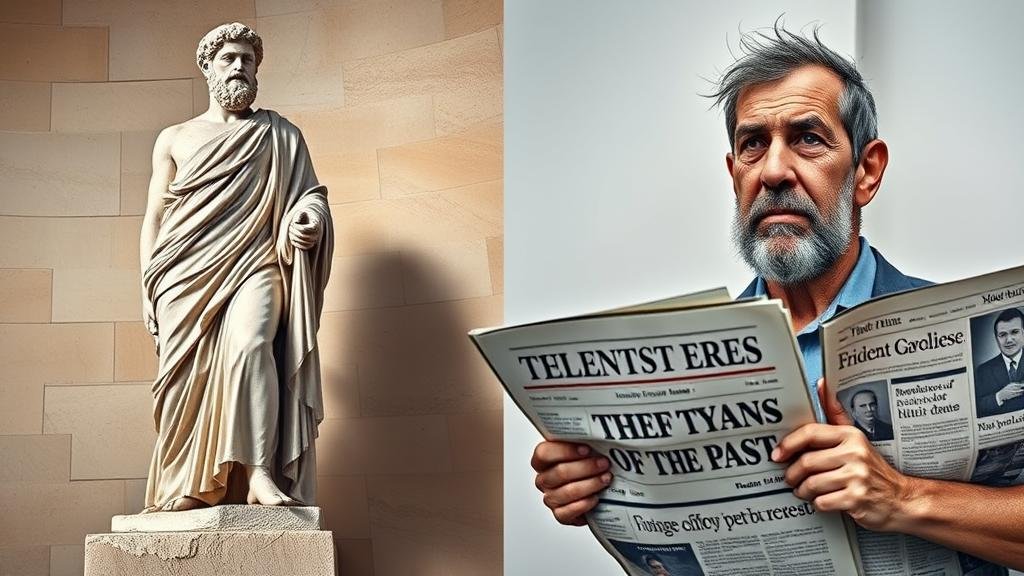
Hot take coming in 3…2…1. The idea that modern Greece “betrayed” its heritage is lazy, unfair, and frankly, a little silly.
This whole narrative hit its peak during the 2009 debt crisis. Let’s be real, the global media descended on Athens, and suddenly every armchair economist was an expert. The headlines made it sound like the entire country was populated by Zorba the Greek, plate-smashing their way through a mountain of borrowed cash. It was a caricature that ignored systemic flaws in the Eurozone and the country’s complex cultural evolution.
Holding modern Greece to the standard of its Periclean golden age is like expecting modern Italy to start re-conquering Europe. We don’t apply this “tyranny of the past” to anyone else, so why the double standard for Greece?
An Unbroken Spirit: The Influence of Ancient Greece on the Modern World
To say Greece betrayed its past is to conveniently skip over the 2,000 years of… well, history. You know, that thing that happened between the fall of ancient Greece and the invention of the Frappé.
- A History of Resilience: After the Romans, Greece spent centuries as a province, then part of the Byzantine Empire, and then nearly 400 years under Ottoman rule. That’s a long time to not be the master of your own house. They fought a bloody war just to exist again in the 19th century. Expecting them to just pick up where Pericles left off ignores this immense journey.
- The Superpower of Philotimo: Despite all that, the Greeks held onto their cultural secret sauce: philotimo. There’s no perfect English word for it, but imagine a potent cocktail of honor, duty, and pride. It’s this deep-seated sense of communal honor that saw them through famines, wars, and yes, even soul-crushing austerity, showing the relevance of this ancient value in the modern world.
-
Modern Wins, No Toga Required:
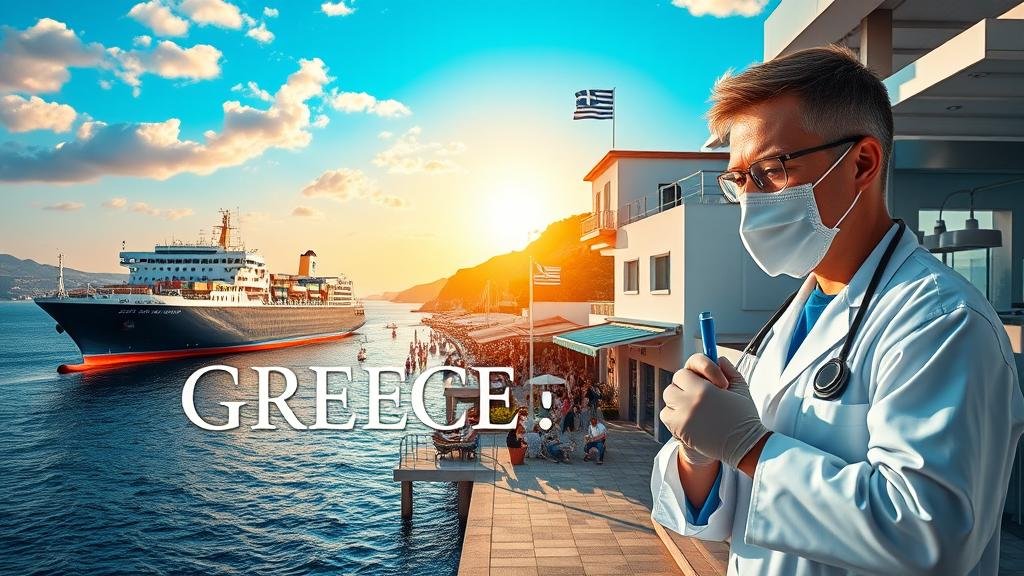
Now, let’s talk about modern Greece. They’re not sitting around polishing statues. They’re a global leader in shipping—a nod to their seafaring DNA. Their tourism industry single-handedly keeps the world’s supply of vacation photos afloat. And in science? Dr. George Papanikolaou, a Greek, invented the Pap smear, saving millions of lives—a clear an example of ancient Greek contributions evolving to meet modern needs. So yeah, the cradle of modern Western culture is still innovating.