The Epstein Files Transparency Act: A DC Standoff for the Unredacted Truth
Let’s break down this political thriller. Yes, another story about Washington D.C. drama, but this one features more plot twists than a season of Ozark and the ghost of Jeffrey Epstein, who refuses to leave the party.
Just when American politics seemed beyond parody, Congress actually agreed on something. In a move of shocking unity, they passed the Epstein Files Transparency Act. The goal? To finally expose the secrets of Epstein and his powerful associates. But now that the bill has been signed into law, a new standoff has begun, one more tense than a holiday dinner after someone brings up the election. This isn’t just about whether the files get released, but how.
Here’s a look at the power plays, the backroom whispers, and why this feels less like C-SPAN and more like a high-stakes poker game where the public is waiting to see who’s bluffing with the DOJ investigation materials.
The Quest for the Unredacted Client List
For years, the Epstein saga has been a horrifying tale of wealth and corruption. The public has been demanding the infamous Epstein client list with the fervor of a Black Friday sale. We all want to see the receipts.
Congress heard the call. The Epstein Files Transparency Act flew through the House with a staggering 427-to-1 vote. Getting that many politicians to agree on anything is a modern miracle. The Senate followed suit, passing it unanimously.
Lawmakers are tapping into the public’s frustration with a two-tiered justice system. They argue that there can be no true justice for the victims—or the country—if the names of enablers, including potentially politically exposed persons, are kept hidden. This is a symbolic fight against the idea that wealth buys immunity.
The White House’s Next Move
So, with the bill signed, the Department of Justice (DOJ) has 30 days to release all files, right? Not so fast. Welcome to Washington, where implementation is everything.
The administration now has the power to oversee the release, and reports are swirling that they might try to “skirt the bill’s intent.” That’s political-speak for “find a loophole to avoid releasing the most damaging information.” It’s like when a teenager “cleans their room” by shoving everything in the closet.
This is where the real political hardball begins. Why the potential hesitation to release a fully unredacted list?
- Controlling the Chaos: Releasing all the Jeffrey Epstein files at once could trigger a political earthquake, implicating powerful figures on both sides. The White House likely wants to manage the narrative.
- Protecting… Everyone? The Epstein network, which included figures like Ghislaine Maxwell, was vast. A full reveal could destabilize everything from Wall Street to foreign governments. It’s less about protecting one person than preventing the whole Jenga tower from collapsing.
- The Legal Mumbo-Jumbo: The executive branch could use claims of “executive privilege” or “ongoing investigations” to heavily redact the documents, turning them into a festival of black marker lines.
So while the House vote sent a clear message, the President and the DOJ now hold the keys, deciding just how much light to let in.
The Most Awkward Standoff in Washington
That 427-to-1 vote was a statement: “We dare you to hide this.” It proved that the demand for answers isn’t a partisan issue—it’s an American one. People are tired of feeling like the powerful play by different rules.
By passing the bill, Congress put the ball squarely in the executive branch’s court. A veto was never an option. The real fight isn’t about the law itself, but its execution. It’s a battle over the fine print, and as we all know, the devil is in the redactions.
So congratulations, you’re witnessing a rare D.C. event: a near-unanimous Congress facing off against the executive branch over transparency.
So, What Happens Now?
As we wait for the DOJ to act, here are the most likely scenarios for the release of the investigation materials:
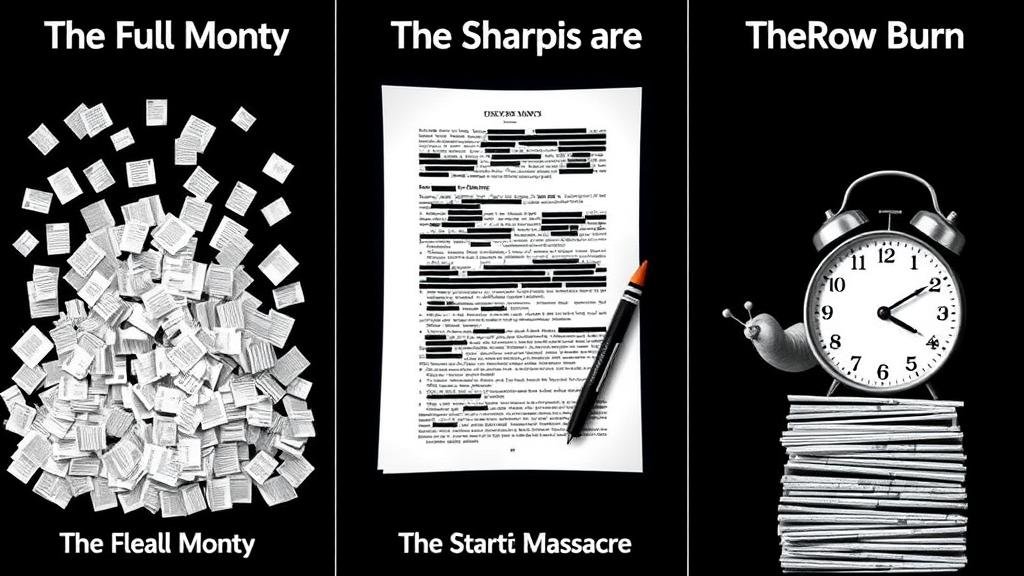
- The Full Monty: The DOJ is ordered to release everything with minimal redactions. This would be a massive win for transparency but would also unleash a political and media firestorm of biblical proportions.
- The Sharpie Massacre: The administration “complies” by releasing thousands of pages that look like censored documents from a spy movie. We’d get files, but the most important names and details would be hidden.
- The Slow Burn: The review process is deliberately dragged out, delaying the release of the most explosive info until it’s politically convenient. It’s the bureaucratic equivalent of saying you’ll get to it “in a minute.”
Ultimately, this is a test for our democracy. Will the overwhelming demand for truth prevail, or will the powerful keep their skeletons in the closet? The coming weeks will reveal if this story ends with a full accounting or just another layer of suspicion. This is one story that’s far from over.