“`html
The €140 Billion Heist: Can the EU Use Frozen Russian Assets to Fund Ukraine’s Defense?
Imagine you have €140 billion in a friend’s house that you want to give to another friend in need. Everyone thinks it’s a great idea, except the friend who owns the house. That’s the EU’s current blockbuster dilemma, with Belgium’s new Prime Minister, Bart De Wever, playing the role of the cautious friend who just hit the brakes on a massive EU loan to Ukraine.
De Wever isn’t taking sides against Ukraine; he’s just scrutinizing the fine print. His country could be on the hook for a bill so large it would make a lottery winner faint. While international finance isn’t always thrilling, this story is packed with intrigue.
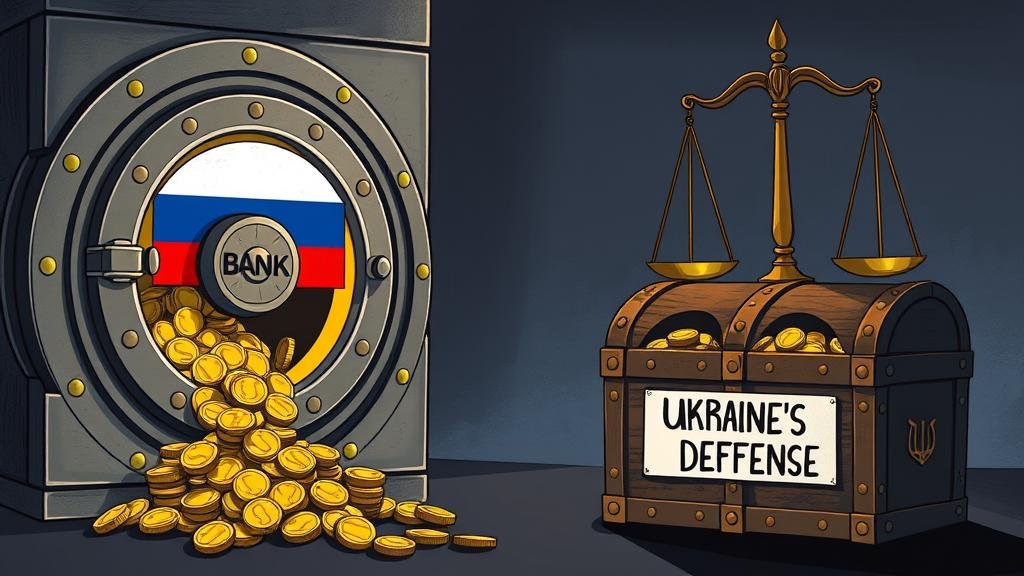
The Almost Too Clever €140 Billion Plan
To understand Belgium’s hesitation, you need to appreciate the EU’s “galaxy-brain” plan. After the 2022 invasion, the West froze approximately €300 billion in Russian assets. A significant portion of this, around €190 billion, is held in a Belgian financial institution called Euroclear, where it’s generating billions in interest.
The EU’s brilliant idea? Take the profits from these frozen Russian assets, use them as collateral for a massive loan, and give that loan to Ukraine. It’s poetic justice: Russia’s own money funding its opponent’s defense and providing Ukraine with a substantial war chest without burdening EU taxpayers.
It sounds like a plan straight out of a heist movie, but there’s a catch. And it’s a big one. All that money is in Belgium’s jurisdiction, and if the plan backfires, they could be left with the entire mess.
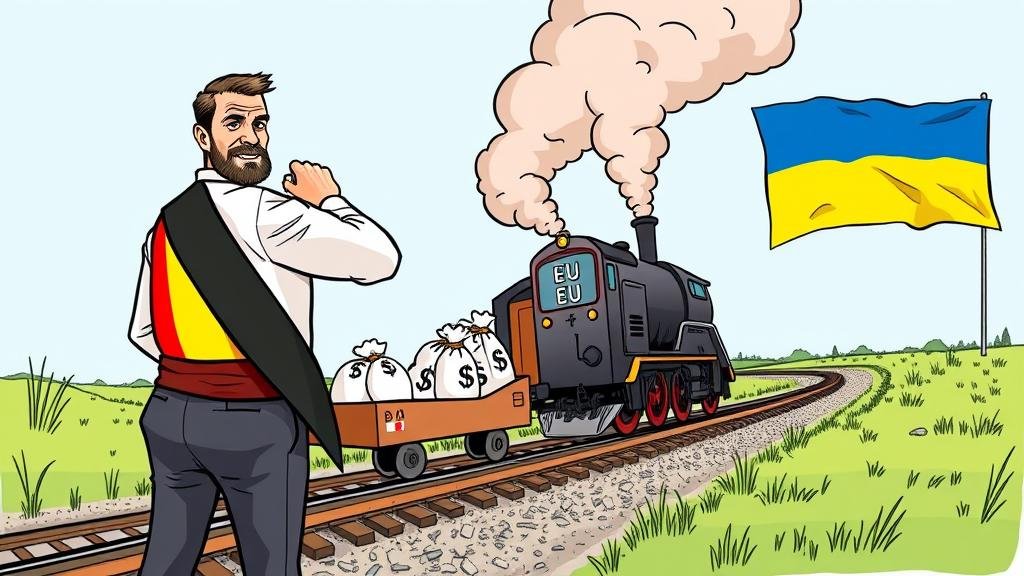
Enter Bart De Wever: The Voice of Reason ⚖️
Bart De Wever, the new Belgian Prime Minister, walked into his new office to find a financial time bomb. He supports Ukraine but is unwilling to let Belgium co-sign the riskiest loan in modern history without reading the terms and conditions.
His concern is less political and more practical. Seizing a country’s assets, even just the profits, is legally… “spicy.” It exists in a legal gray area, and a lawsuit from Russia is almost guaranteed. If Russia were to win, the courts would come knocking on the door of the entity holding the assets. Knock knock. “Who’s there?” “Belgium. And we’re now broke.”
De Wever’s administration is worried about a “doomsday scenario” where Belgium is hit with a crippling bill. A simple promise from other EU leaders to “totally help out” is not enough. De Wever needs a solid, legally binding contract.
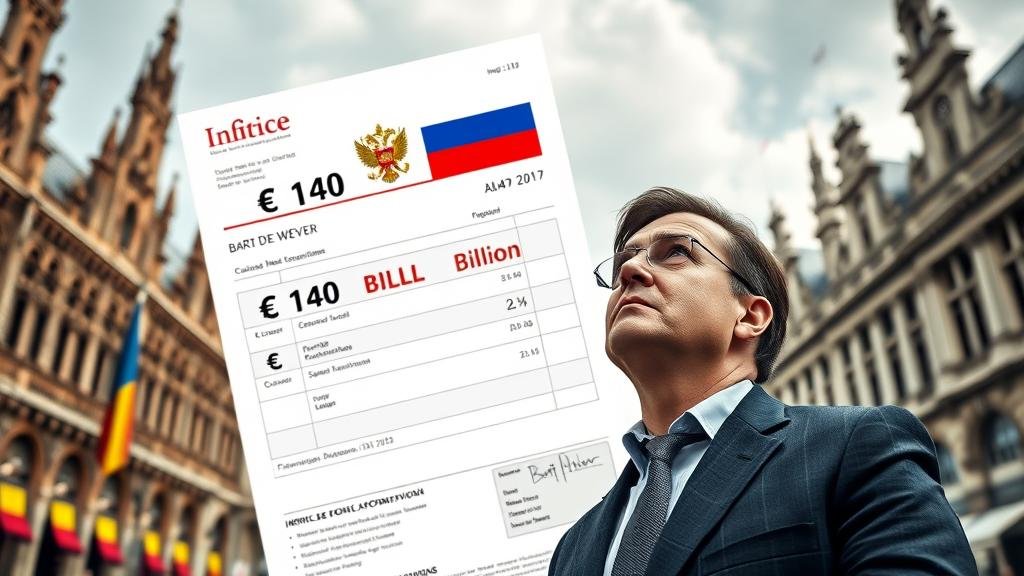
De Wever’s Conditions for a “Yes”
So, what does this Belgian deal-maker want? It’s not a hard no. It’s a “yes, but…” He has laid out several conditions that all boil down to one simple idea: shared risk.
1. A “Don’t Leave Me with the Bill” Guarantee
First, De Wever wants an ironclad legal guarantee that Belgium won’t be left with the bill if Russia sues and wins. He’s asking for a formal indemnification plan. In simple terms, if a legal bill arrives, it goes to a special EU-wide mailbox, not Belgium’s front door.
2. Everyone Signs the Check
He also wants a contract specifying that all 27 EU member states will share any potential losses. Think of it as splitting a dinner bill. Instead of one country being stuck with a €140 billion tab, everyone pays their share, likely based on their economy’s size. It’s just common sense.
3. Involving the G7 Nations
De Wever is also pushing for other G7 nations—the US, UK, Canada, and Japan—to join this risk-sharing agreement. Why? It spreads the potential cost even thinner and presents a united front, making it much harder for Russia to legally challenge a move backed by the world’s largest economies.
Will This Get Done?
This standoff is more than just political theater; it will set a significant precedent. If successful, it could create a new playbook for funding global efforts. If it fails, it would be a major win for Putin and a huge blow to Ukraine.
De Wever isn’t the villain here. He’s the responsible adult asking the tough questions before everyone jumps. He’s not saying “no” to helping a friend; he’s just insisting on a parachute for everyone, not just a post-it note that says, “Good luck!”
The fate of this massive reparations loan for Ukraine now hinges on whether EU lawyers can draft a contract that makes Belgium feel secure. The world is watching.
“`