Europe’s Geopolitical Awakening: Why the EU and NATO Demand a Seat at the Table in the Ukraine War
Alright, let’s talk about the elephant in the room. And I mean a literal, continent-sized elephant wearing a beret and demanding to see the manager. The Ukraine war has reached that awkward stage of a house party where two people are arguing loudly, and everyone else is just trying to figure out if they should call a ride or try to mediate.
In this scenario, the European Union and NATO are the ones with their hands on their hips, tapping their feet. They’ve been patiently providing the snacks (billions in aid), offering up their spare rooms (to millions of refugees), and now they’re hearing whispers that the two big hosts—the US and Russia—might try to end the party without even asking them. Spoiler alert: they’re not having it.
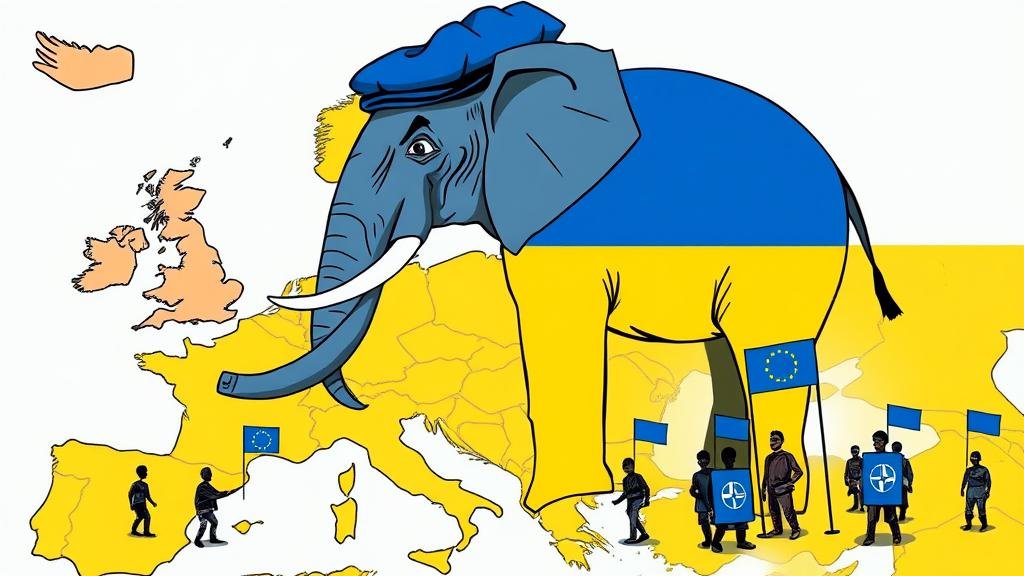
A Continent on Edge: “Hey, We Live Here!”
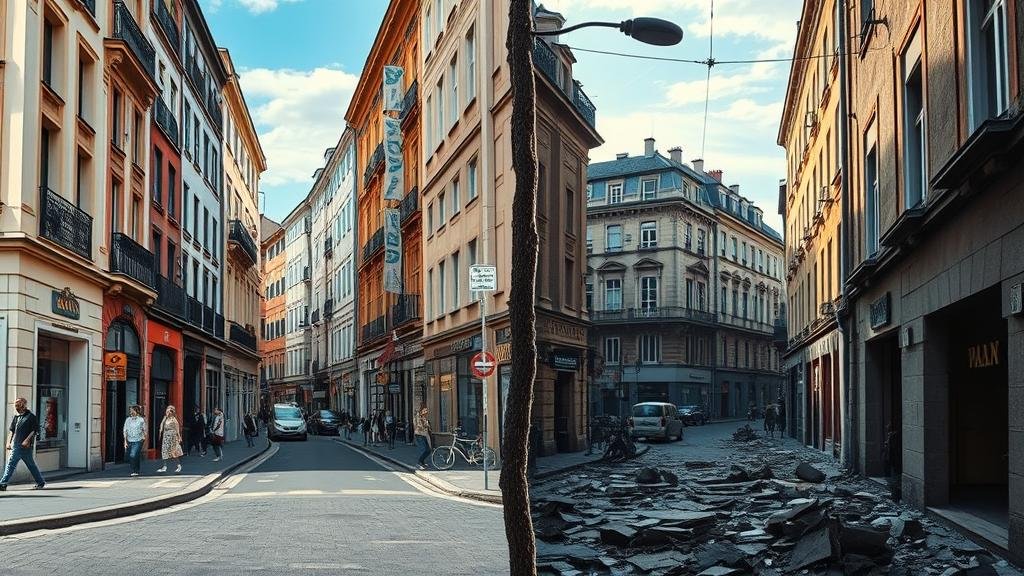
Let’s be real, for Europe, the Ukraine war isn’t some abstract conflict you doomscroll past on your phone. It’s the incredibly loud, incredibly destructive demolition project happening right next door. The EU response to the Ukraine invasion has been a massive undertaking, sending shockwaves that rattle their economies, test their power grids, and bring back some very unpleasant ghosts from their high school history class—you know, the ones about divided continents and iron curtains.
So when reports from the Financial Times start saying that Kyiv’s allies “insist more work is needed on US-Russian peace plan,” it’s code for “Excuse me, we have notes.” The anxiety is palpable. My 7-year-old has fewer concerns about who gets the last cookie than European leaders have about the US striking a deal over their heads. As AP News put it, “European leaders want a say… The US is brushing them off.” Ouch. It’s like being the main character in the group chat and then finding out there’s another, more important group chat you’re not in.
The Specter of a US-Russia Deal: A Prequel Nobody Asked For
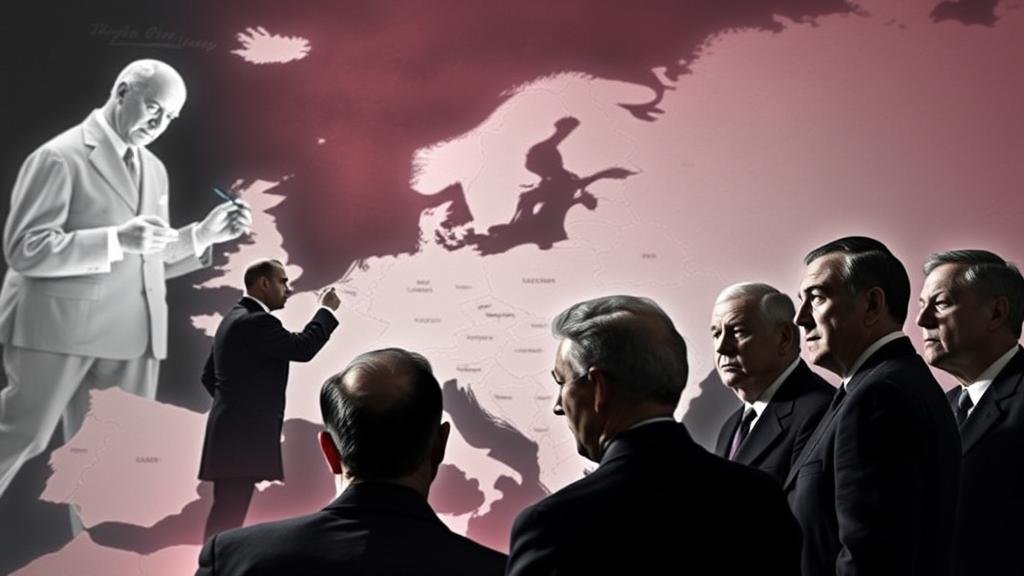
This fear of being left out isn’t just paranoia. Europe has seen this movie before, and they did not like the ending. Cue dramatic flashback music. Ever hear of the Yalta Conference? It’s where the big three—the US, the UK, and the Soviet Union—got together in 1945 and basically drew the map of post-war Europe on a napkin. It’s a historical reminder of what happens when your future is decided for you, and Europe is terrified of a Yalta 2.0.
The worry is that a bilateral deal between Washington and Moscow could happen, legitimizing some of Russia’s “security concerns” and creating a new European status quo that nobody in Europe actually wants. Imagine your two strongest friends deciding where your new couch will go, without you in the room, and you end up with a plaid monstrosity from 1972. That’s the fear. A separate peace deal could unravel the united front on sanctions against Russia, which, as we’ve covered, has been the West’s main non-military weapon.
The Power of Unity: Europe’s Geopolitical Glow-Up
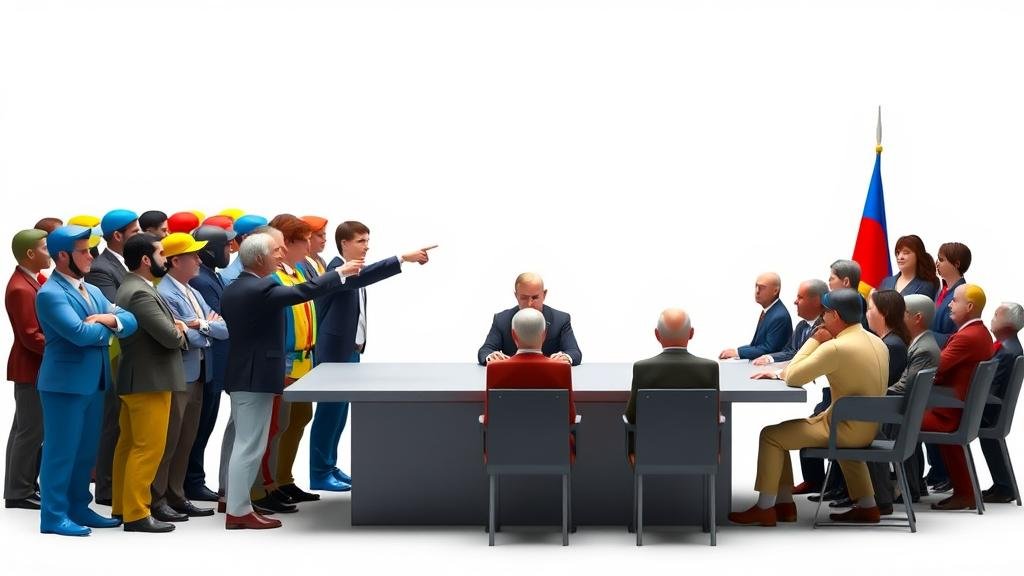
If there’s one silver lining to this whole geopolitical dumpster fire, it’s that it served as a massive wake-up call for Europe. It forced the continent to look in the mirror, flex, and realize it’s actually pretty strong. The European Union and NATO have responded with a level of unity that surprised even themselves. It’s like the Avengers finally assembling after 30 minutes of bickering.
Now for the boring part. Just kidding—it’s actually kinda cool. The EU is the world’s biggest trading bloc, and NATO is, well, NATO—the most powerful military alliance in history. They’ve been pouring weapons and money into Ukraine, demonstrating a commitment that basically buys them a ticket to the negotiation table. This newfound assertiveness is Europe looking across the Atlantic and saying, “We’re not just your sidekick anymore. We’re co-stars in this blockbuster.”
The Path Forward: All Hands on Deck, Please
So, what happens now? The coming months are critical, and the pressure is on. Hot take coming in 3…2…1… A lasting peace can only happen if it’s handled like a group project where everyone actually does their part, instead of one person doing all the work and two others just showing up to put their name on it.
The demand from EU and NATO leaders isn’t just them being difficult. It’s a call for a more inclusive, democratic approach to deciding the fate of a continent. The time for backroom deals written on cocktail napkins is over. The message from Europe is clear, and it’s being spoken in about 24 different languages: There will be no decisions about us, without us.
Still reading? Wow. You’re officially my favorite. And yes, this will be on the test.