Using Frozen Russian Assets to Fund Ukraine: The EU’s High-Stakes Financial Gamble
The EU is considering a controversial plan to use profits from frozen Russian assets to secure loans for Ukraine. This high-stakes strategy could provide a crucial financial lifeline to Kyiv but comes with significant legal and financial risks that have countries like Belgium on high alert.
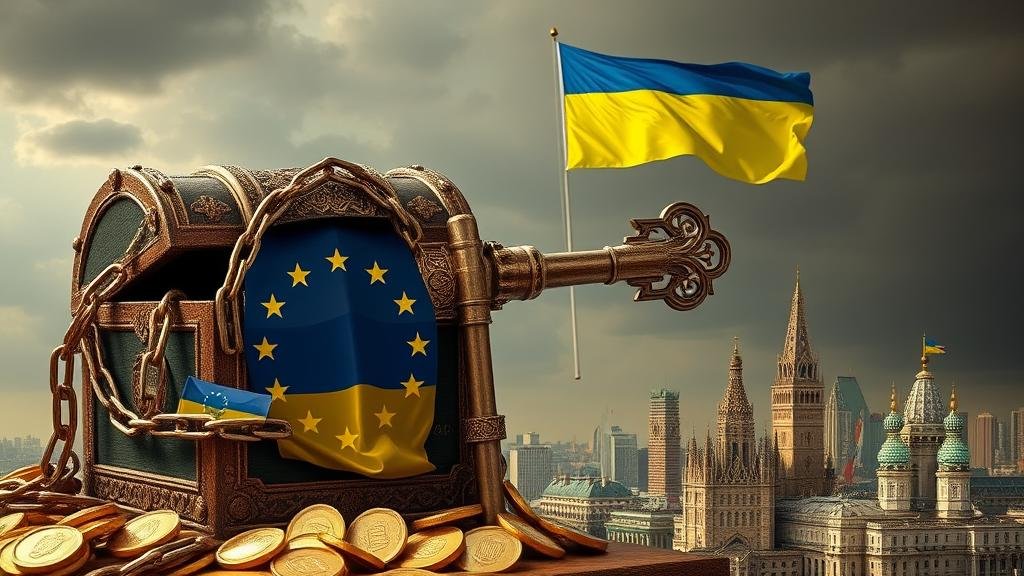
The Multi-Billion Euro Plan for Ukraine
The core of the EU proposal is not to confiscate the estimated €210 billion of frozen Russian assets directly, which would violate international law. Instead, the EU wants to use the immense profits generated by these assets to back massive loans for Ukraine’s war effort and reconstruction. A significant portion of these funds is held at Euroclear, a financial institution based in Belgium, making it central to the debate.
This would be an unprecedented move in international sanctions, leveraging the aggressor’s own money to aid the victim.
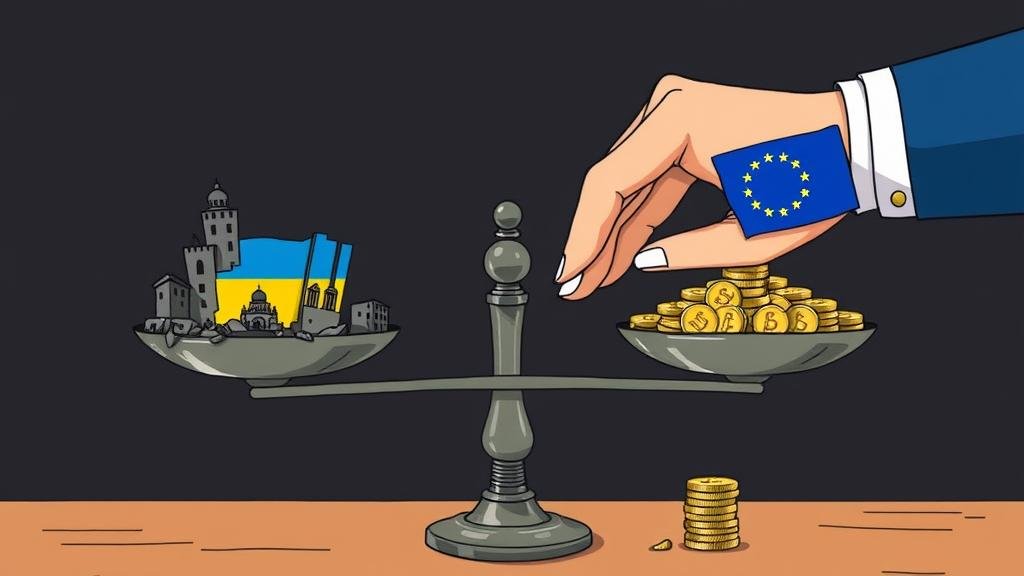
A Fiery Debate: Legal and Financial Risks
The plan has sparked intense debate, with Belgium expressing serious concerns about the potential fallout.
Legal Risks: Sovereign Immunity Under Fire
A primary legal hurdle is the principle of “sovereign immunity,” which protects state assets from seizure. Critics, and Russia itself, argue that using the profits from these assets is a violation of this long-standing international norm. They warn it could set a dangerous precedent, allowing other nations to do the same in future conflicts. Russia has already threatened extensive legal action, promising to tie the matter up in courts for decades.
Financial Risks: The Eurozone on Edge
The financial stability of the Eurozone is also at stake. Belgium’s Euroclear has a reputation built on neutrality and trust. If global investors begin to see it as an instrument of EU foreign policy, they could lose confidence in European financial institutions. The fear is that major economic powers like China or Saudi Arabia might withdraw their vast reserves from the Eurozone, potentially destabilizing the euro and diminishing the EU’s standing as a global financial hub.
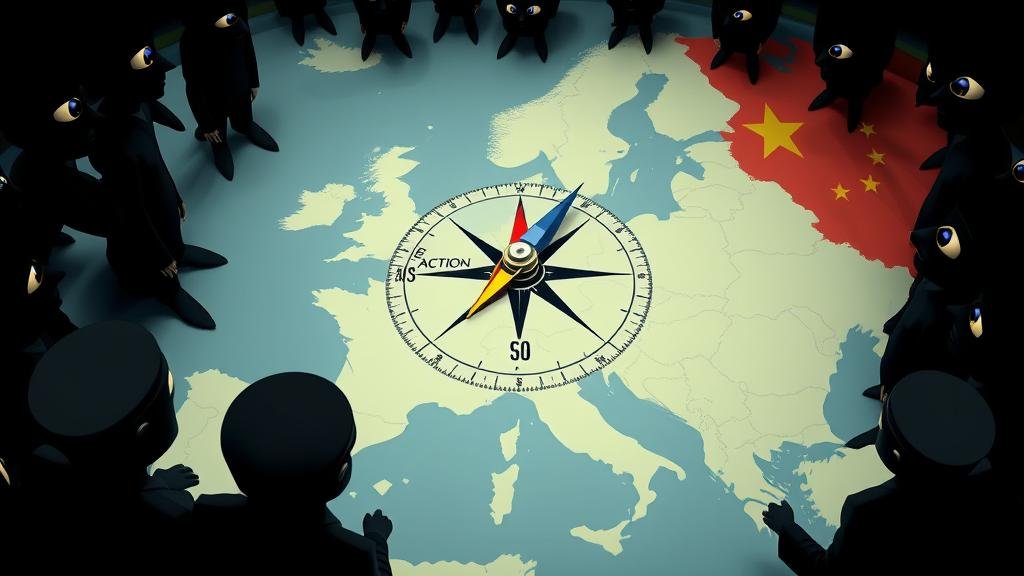
The Moral and Strategic Imperative
Despite the clear risks, proponents argue there is both a moral and strategic obligation to act.
- The Moral Case: The argument is straightforward: Russia initiated an unprovoked war, and under the “you break it, you buy it” principle, it should be forced to pay for the devastation. Using frozen Russian assets to fund Ukraine’s recovery is seen by many as simple justice.
- The Strategic Case: With war funding straining EU budgets and causing taxpayer fatigue, this EU plan offers a way to support Ukraine without direct cost to EU citizens. It provides a vital financial lifeline to Ukraine, sends a powerful message to Moscow about the long-term consequences of its actions, and positions the EU as a decisive global power.
The World is Watching
The decision is not being made in a vacuum. The United States has encouraged the EU to be bold, while other countries with large foreign reserves are watching nervously. A move to use these assets could trigger a significant shift in the global economic landscape, as nations reconsider where to safely hold their wealth.
What’s Next?
The European Commission’s proposal requires unanimous approval from all 27 member states, a notoriously difficult consensus to achieve. With Belgium voicing strong opposition, the path forward will involve intense negotiations and political maneuvering.
The EU is at a crossroads. This audacious EU plan could be a landmark success that helps secure Ukraine’s future. Or, it could backfire, triggering a legal and financial crisis. The world is watching to see which way the pendulum will swing.