From Spectator to Stakeholder: Why the EU Demands a Voice in Ukraine Peace Negotiations
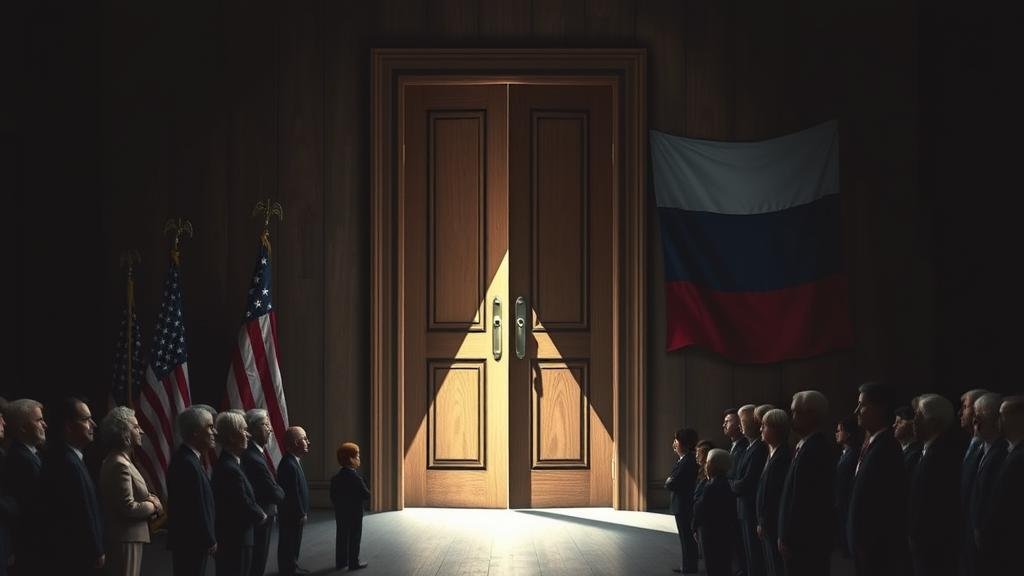
The Great Divide: Europe’s Fear of a Backroom Ukraine Peace Deal
Ever been in a group chat where two friends are making major plans, and you’re just watching the typing bubble, wondering if you’ll be included? That’s the mood in the European Union right now regarding the Ukraine peace negotiations.
There’s a palpable fear among EU leaders that the United States and Russia might attempt to broker a peace deal for Ukraine on their own. This scenario is being dubbed a potential “Yalta 2.0,” a historical callback that has European diplomats seriously concerned. The original Yalta Conference saw the major powers of the time redrawing the map of the post-WWII world, leaving many nations to face the consequences. The anxiety is that history might repeat itself, undermining transatlantic security.
As one senior EU diplomat likely put it, “We are not just spectators; this crisis is in our backyard.” The concern isn’t just about diplomatic FOMO. It’s about the real-world implications of a hasty US-Russia deal that might pressure Ukraine to cede territory for a quick ceasefire. For nations bordering Russia, such a deal feels less like a resolution and more like a prelude to future conflicts.
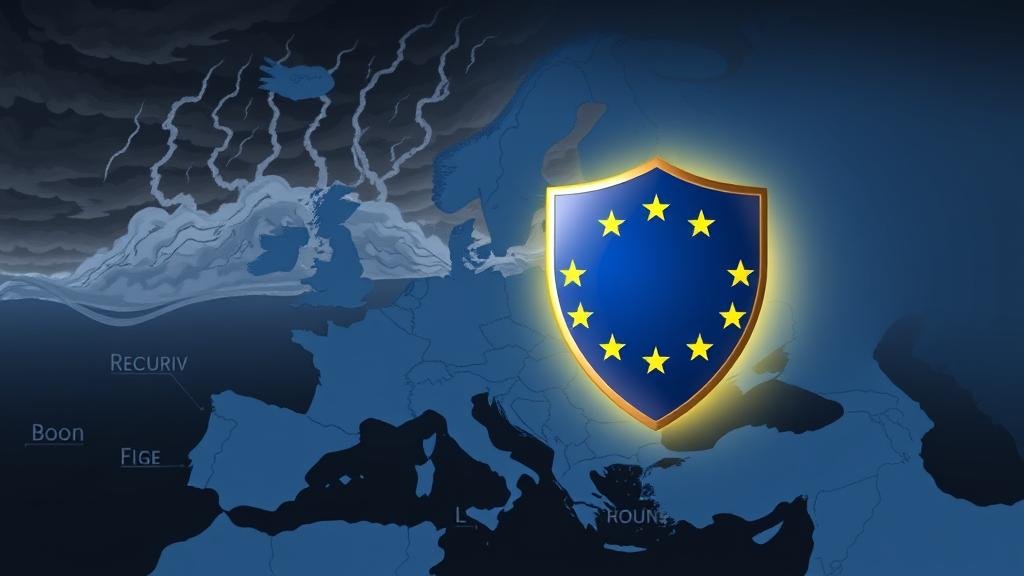
Why Europe’s Role is Non-Negotiable
So, why is the European Union so adamant about having a seat at the table? It’s not just for the photo op.
1. Immediate Security and Geographic Reality
For Europe, this war isn’t a distant headline; it’s a direct threat to European security. The consequences are immediate and tangible.
- The Refugee Crisis: The EU has absorbed millions of Ukrainian refugees, a massive humanitarian undertaking that is straining resources and budgets.
- The Risk of Escalation: There is the ever-present danger of the conflict spilling over into a NATO country. A single miscalculation could trigger Article 5, NATO’s collective defense clause, and escalate the situation dramatically.
- Redefining Security Architecture: Any peace deal for Ukraine will fundamentally reshape Europe’s security landscape. The EU insists on being involved in designing the blueprints for this new reality.
2. The Economic Stakes
The economic blowback from the war has been severe for Europe. Heavy reliance on Russian energy led to a continent-wide crisis, fueling inflation and a cost-of-living squeeze.
Furthermore, the EU and its member states have committed over €50 billion in financial aid to Ukraine. Having invested so heavily, they expect a say in the outcome to ensure a sustainable peace that doesn’t lead to further economic turmoil, demanding robust security guarantees for Ukraine.
3. The Future of the Transatlantic Alliance
This is a critical test for the relationship between Europe and the U.S. If Washington appears to sideline its allies on the most significant European security issue in decades, it could erode the trust that underpins the transatlantic alliance.
The strength of NATO lies in its unity. A unilateral move by the U.S. could fracture the solidarity that has maintained peace for decades. European nations are contributing military hardware, not just well wishes, making their exclusion from the final negotiations all the more pointed.
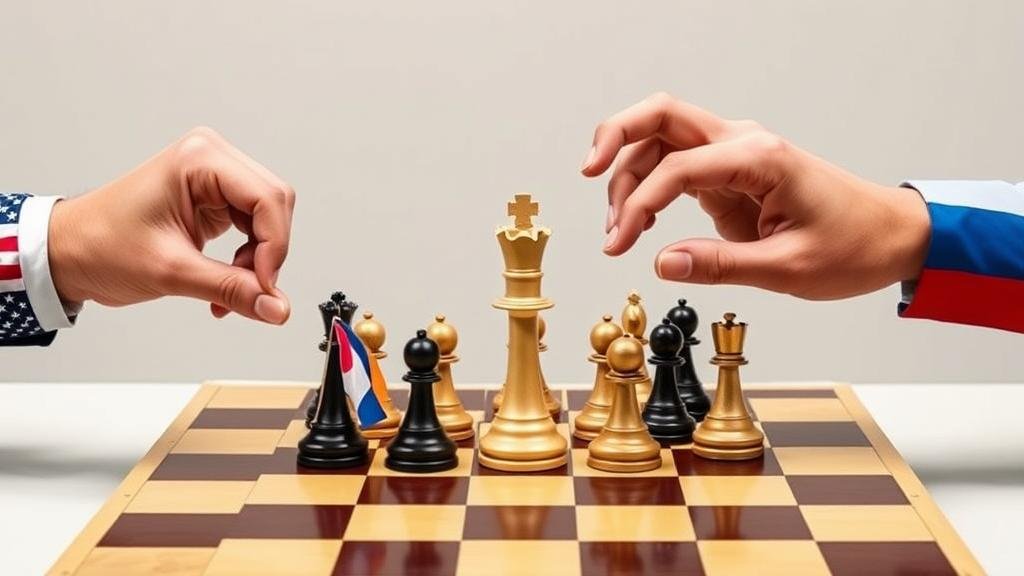
The View from Washington and Moscow
Why would the U.S. consider negotiating alone? From Washington’s viewpoint, it may be a matter of efficiency. As the largest military and financial backer of Ukraine, dealing directly with Moscow might seem like the fastest way to de-escalate.
Russia, on the other hand, would welcome a scenario that reinforces its “divide and conquer” strategy. Negotiating solely with the U.S. allows Moscow to frame the conflict as a superpower struggle, diminishing the agency of Ukraine and the rest of Europe.
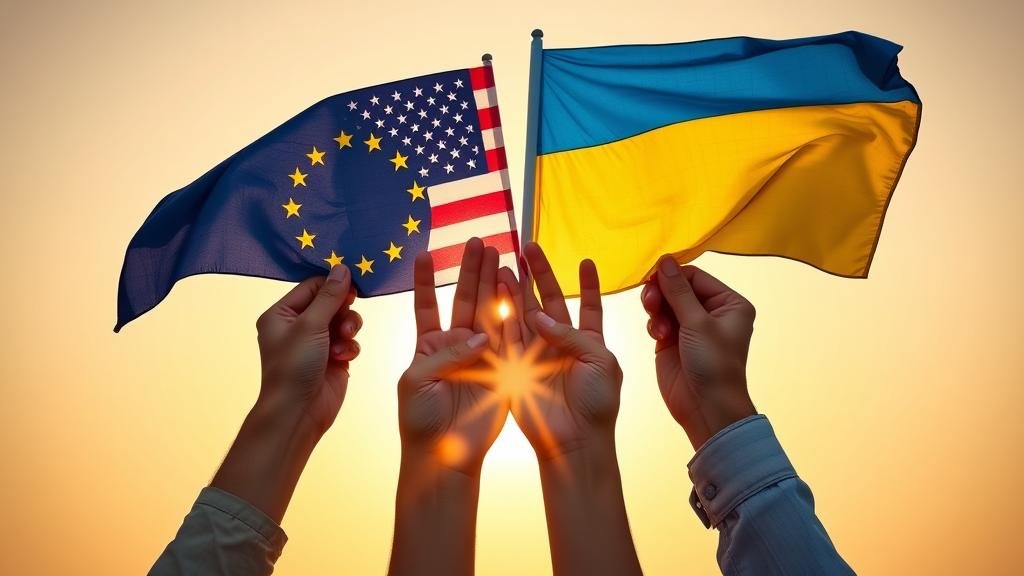
The Path Forward: Unity is Key
The solution to avoiding this geopolitical fallout is straightforward: unity. The U.S., EU, and UK must present a united front.
- A Coordinated Strategy: The allies must align on their objectives and red lines *before* engaging in any talks with Moscow.
- Transparency in Negotiations: All discussions about the Ukraine peace deal must be transparent. No backroom agreements that surface later.
- Respecting Ukraine’s Sovereignty: This is the most crucial principle. The ultimate decision must lie with the Ukrainian government and its people. Ukraine’s sovereignty is paramount.
The EU’s demand for a voice is not about diplomatic protocol; it’s a declaration that it is a key stakeholder in its own security. A peace deal brokered without Europe’s involvement is likely to fail, potentially cracking the very foundation of the Western alliance. The road to a lasting peace in Ukraine must run through Brussels and Kyiv, not just between Washington and Moscow.