Europe Demands a Seat at the Table: The High-Stakes Game of Ukraine’s Future
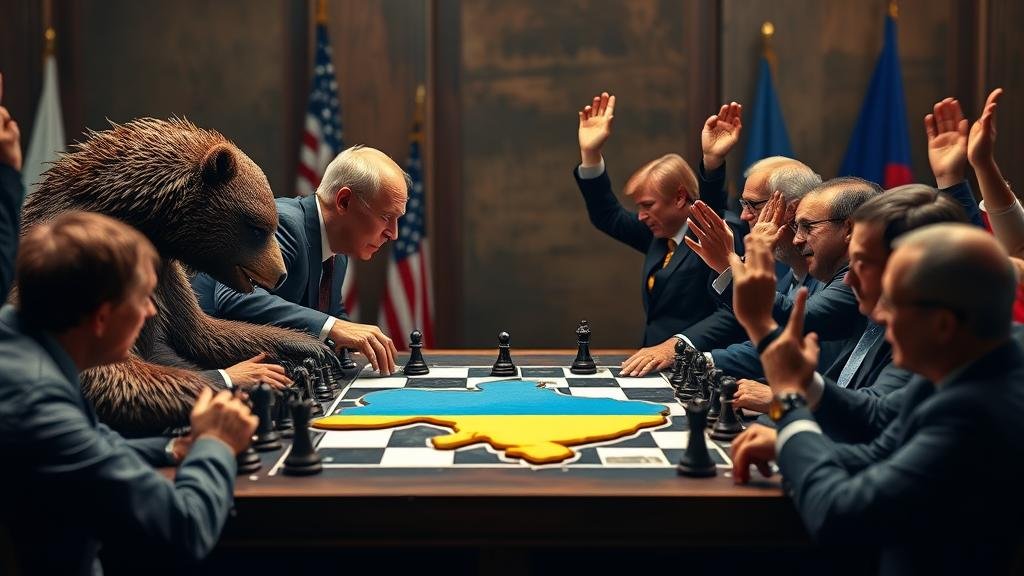
The great international relations group project has hit a snag. As the world watches the ongoing war in Ukraine, leaders across the EU and NATO are raising their hands like Hermione Granger in a Potions class, furiously insisting they will not be sidelined in any Ukraine peace deal. This isn’t just some political squabble; this is Europe shouting from the rooftops that they demand a seat at any table discussing the future of their own backyard, especially in light of a potential US-Russian peace plan.
Let’s be real: for Europe, this is the most pivotal moment since the conflict began. And if you think this is just boring diplomacy, stick with me. This is the geopolitical equivalent of your parents deciding your curfew without asking you. And Europe is not having it.
The Rising Stakes: Why Now?
Things are getting spicy. Behind-the-scenes whispers and high-stakes diplomatic DMs are flying, and the possibility of a negotiated settlement is suddenly less “sci-fi” and more “coming soon.” This has sent a continent-wide jolt of anxiety through Europe. Their biggest fear? A peace deal cooked up by just the U.S. and Russia.
The thinking is that any deal forged without them would be a spectacular betrayal of Ukraine and a direct threat to the entire continent’s security. The Financial Times recently reported that Kyiv’s allies are basically saying, “Whoa there, cowboy, more work is needed on this US-Russian peace plan.” There’s a palpable fear that a rushed agreement could prioritize the egos of two global heavyweights over the actual security of millions. A deal that carves up Ukraine for a temporary ceasefire? That’s the nightmare scenario keeping Brussels awake at night.
A Continent on Edge
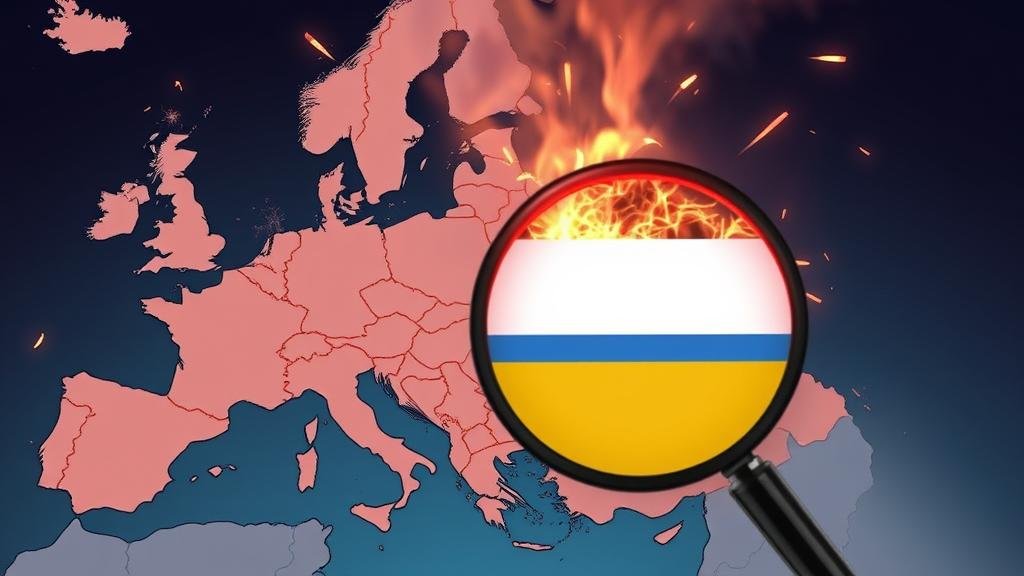
For Europe, this war isn’t some abstract event they’re doomscrolling through. It’s on their doorstep. They’re housing refugees, feeling the economic gut-punch, and living with the low-grade hum of potential escalation. The whole “thinking about our own European security” thing has gone from a nerdy think-tank topic to front-page news. As the Atlantic Council put it, Europe needs to get its act together on defense for this “new geopolitical moment.”
The fear is that a peace deal negotiated without them could tear down the very security framework they’re frantically trying to build. It could create a so-called “peace” that’s really just a glorified time-out, leaving a pile of unresolved issues to fester and explode later.
The Demand for a Unified Voice
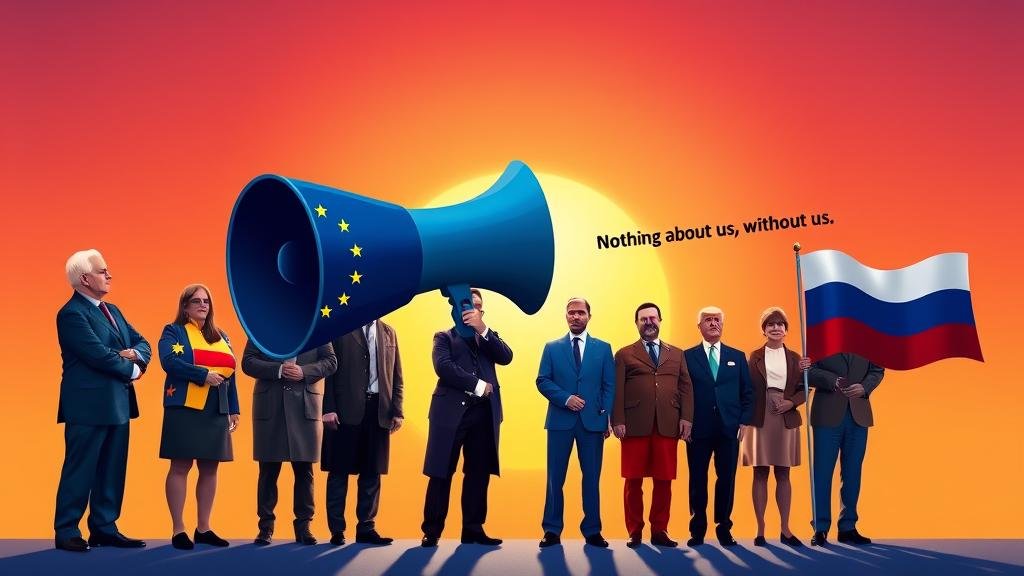
What we’re seeing here is Europe finally grabbing the mic. For decades, their security was heavily reliant on the United States. While the U.S. is still a key player in the transatlantic alliance, Europe is realizing it’s time to start paying its own utilities and making its own house rules.
Leaders from Finland, Latvia, and Estonia—countries that have a vested interest in Russia not getting any funny ideas—told The Independent that a victory for Ukraine and its president, Volodymyr Zelensky, is vital for a continent that’s, frankly, poorly armed. This isn’t about ego. It’s about ensuring the solution is just, sustainable, and actually works for the people who have to live with the consequences.
What a “Voice” Truly Means
So when Europe says it wants a “voice,” what does that actually mean?
- Active Participation in Negotiations: They don’t want the Cliff’s Notes; they want to be in the writers’ room, shaping the agenda of any Ukraine peace deal.
- Defining “Peace”: For Europe, a true peace isn’t just “the shooting stops.” It means Ukraine gets its land back, its sovereignty is untouchable, and there are strong security guarantees to prevent this from happening again.
- Long-Term Security Guarantees: They want to be the architects of a new European security blueprint.
The Perils of Exclusion
Okay, let’s imagine the U.S. and Russia ignore all this and decide everything themselves. What happens? A “bad choice,” to put it mildly. Here’s what we risk:
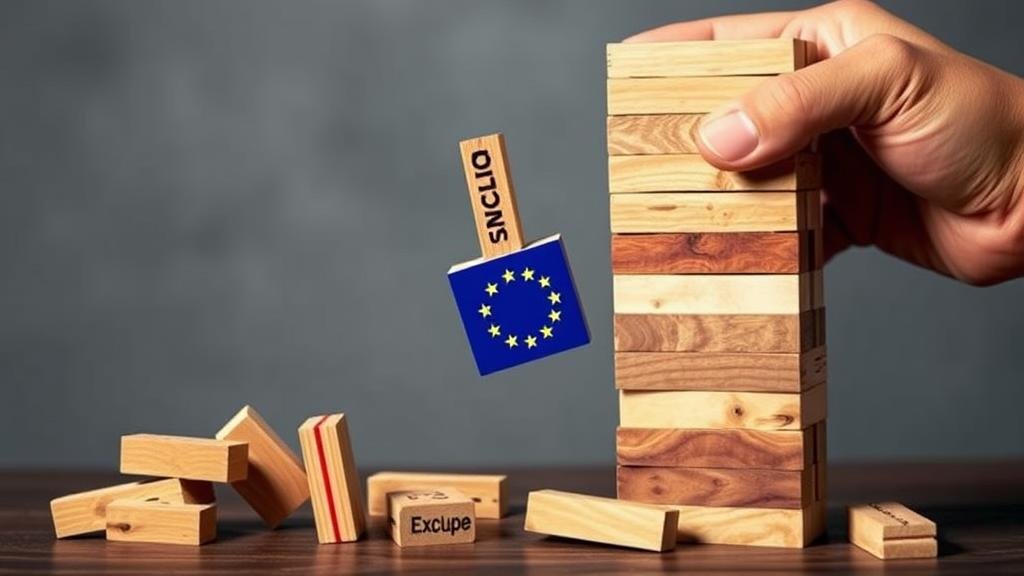
- A Flawed and Unsustainable Peace: An agreement without European buy-in would be about as stable as a Jenga tower in an earthquake, potentially leading to a “frozen conflict.”
- A Weakened Transatlantic Alliance: Sidestepping your allies on the most important geopolitical issue of the decade breeds resentment that could crack the very NATO alliance that’s been so crucial.
- A More Dangerous Europe: A deal that sells out Ukraine sends a message to Russia and other authoritarians that the West’s “unbreakable unity” has some pretty obvious cracks.
Looking Ahead: The Path to a United Front
The memo from Europe is crystal clear: the continent’s security menu will no longer be à la carte, decided by others. The next few months are a massive test of Western unity and the strength of the transatlantic alliance. Will Washington and Moscow listen? Or are they about to find out what happens when you ignore half the team in the high-stakes game of geopolitics?
This is about a fundamental shift in global power. Europe is trying to take the wheel, and whether it succeeds or gets told to sit in the back will define the security of all of us for decades to come. The world is watching.