Europe’s Demand for a Seat at the Table in Ukraine Peace Talks
The brutal war in Ukraine has reached a pivotal moment, causing geopolitical whiplash as rumors of peace talks swirl. But these aren’t just any whispers; they hint at backroom deals that exclude key players. In response, European Union and NATO leaders are making their position unequivocally clear to both Washington and Moscow: there will be no agreements about Europe’s future without Europe’s involvement.
For months, the Western alliance has demonstrated remarkable unity, coordinating a flow of sanctions, weapons, and financial aid to Ukraine. Now, a deep-seated fear is growing in Brussels, Berlin, and Paris that this united front could be undermined by a secret US-Russia deal, leaving Europe to manage a crisis it had no role in shaping.
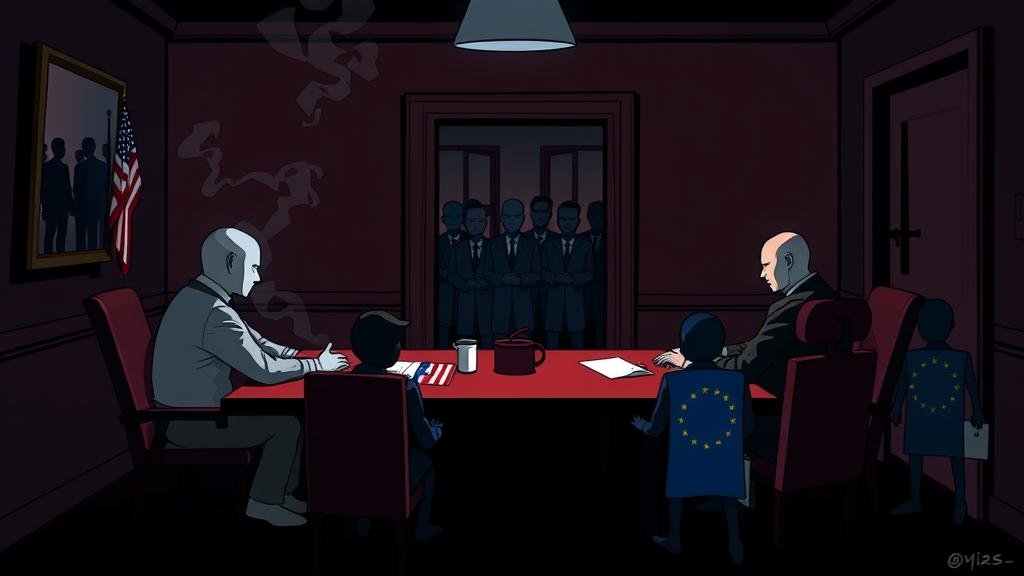
The Specter of a US-Russia Agreement
The primary source of anxiety is the rumor of a clandestine peace plan favorable to the Kremlin. The notion of a deal being brokered over the heads of both Ukrainians and Europeans revives historical fears of great-power politics, reminiscent of the Yalta Conference, where spheres of influence were decided without the consent of the nations involved. For countries with a history of Soviet domination, the idea of their security being determined by Washington and Moscow is an existential threat to geopolitical stability.
The concern is that a hasty peace, aimed at resolving an American domestic issue, could compromise Ukraine’s long-term sovereignty. European leaders are haunted by the question: is a fragile, quick peace better than a just and lasting one?
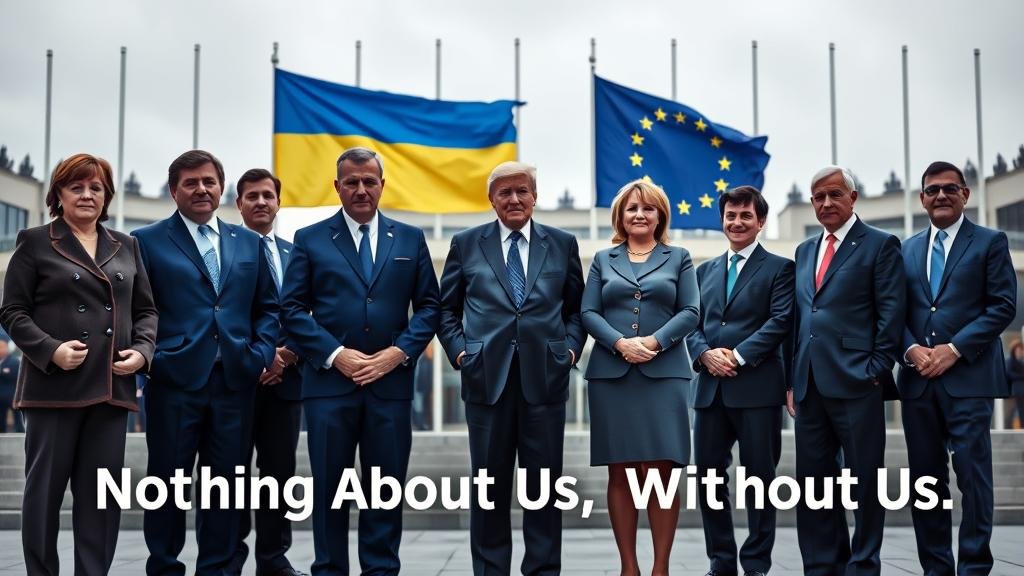
Europe’s Firm Stance: “Nothing About Us, Without Us”
The European response has been swift and firm. At the G20 summit and in diplomatic circles, the message has been unanimous: European nations must be integral to any negotiation concerning the Russia-Ukraine conflict. This isn’t a matter of pride but of stark reality.
European countries are bearing the immediate consequences of the war. They are hosting millions of Ukrainian refugees, facing astronomical energy costs, and depleting their own military stockpiles to provide military aid to Ukraine. The idea that they would not have a leading role in a peace process they are so heavily invested in is simply untenable.
As one diplomat aptly put it, “The long-term stability of Ukraine is the long-term stability of Europe.”
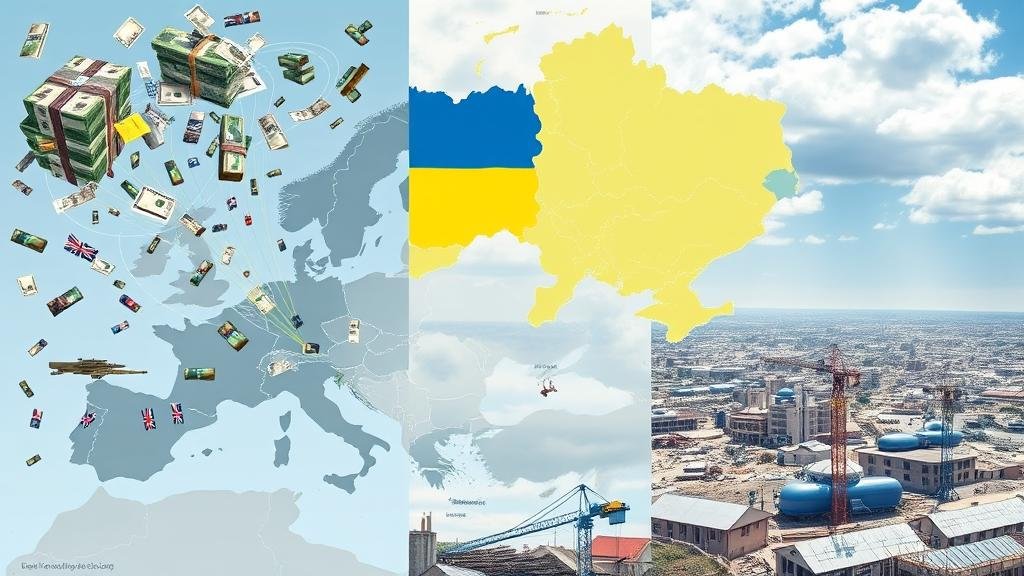
Why European Inclusion is a Non-Negotiable aspect of Geopolitical Security
The demand for inclusion is based on several critical factors that make European involvement essential for achieving a sustainable peace.
1. The Primary Financial and Military Backers
The European Union and its member states are collectively the largest contributors of financial aid to Ukraine, providing tens of billions in support. Nations like Germany, Poland, and the Baltic states have supplied a vast amount of military hardware. This immense contribution makes them key stakeholders in the Ukraine peace talks.
2. The Geographic and Security Imperative
This war is not a distant conflict for Europe; it is a direct threat to EU’s border security. A flawed peace deal could create a perpetually unstable region on the EU’s eastern flank. Moreover, any agreement that appears to reward Russian aggression would set a dangerous precedent, potentially encouraging future military adventures. The security of frontline states is directly linked to a strong, sovereign Ukraine.
3. The Burden of Reconstruction
When the conflict ends, the monumental task of Ukraine reconstruction will begin—a multi-trillion-dollar effort. European companies, governments, and financial institutions will be at the forefront of this undertaking. To ensure the long-term success of this project, the EU must be involved in establishing the security framework that will underpin it.
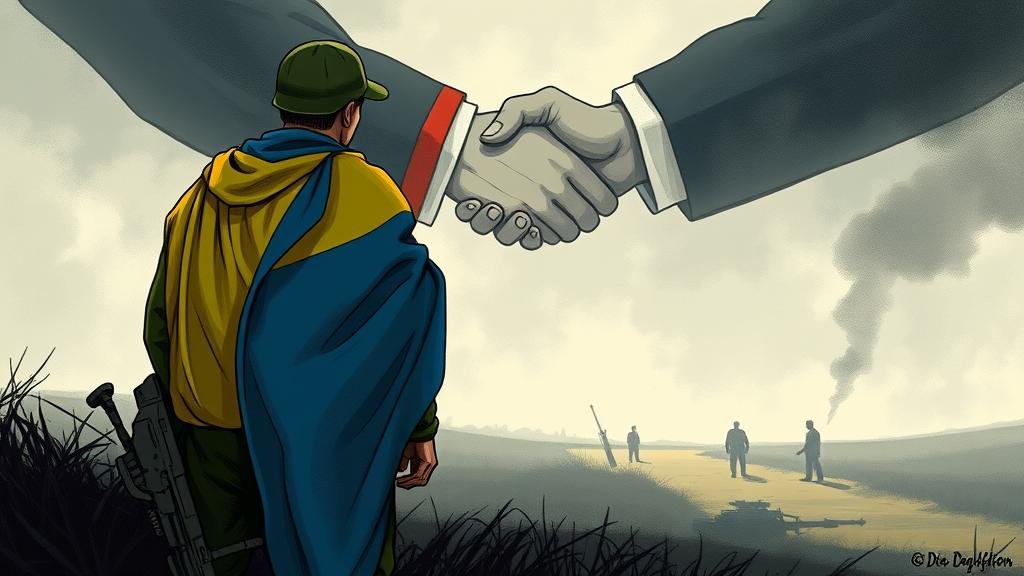
The View from Kyiv: A Potential Betrayal
For Ukraine, the stakes are existential. President Zelenskyy has consistently stated that peace can only be achieved on Ukraine’s terms, which includes the complete withdrawal of Russian forces and robust security guarantees.
The greatest fear in Kyiv is that a US-Russia backroom deal would force them into a “land for peace” compromise. After the immense sacrifices made to defend their freedom, being sidelined during the most critical negotiations in their history would be a profound betrayal. Ukraine is a nation fighting for its existence, not a pawn in a geopolitical game.
Creditnewsinsider Analysis: A Dangerous Precedent for NATO Unity
From our perspective at Creditnewsinsider, any attempt to sideline European allies is a dangerously flawed strategy. The strength of the transatlantic alliance is built on trust and collective security. If the U.S. acts unilaterally, that trust will erode, undermining NATO unity.
Such instability is detrimental to global markets, which thrive on predictability. A fractured alliance is a recipe for volatility. Ensuring Europe is at the center of the peace process is not just a diplomatic courtesy; it is essential for maintaining global stability and the integrity of the world’s most successful security alliance.
The Path Forward: A Call for Unity and Transparency
Achieving a just and lasting peace in Ukraine will require immense patience, strength, and, above all, unity. The recent warnings from the EU are a critical reminder that a sustainable peace cannot be dictated by one or two world powers.
For any peace process to be legitimate and effective, it must involve the full participation of those with the most at stake: the Ukrainian people and their European neighbors who share both a continent and a destiny. The coming weeks will test the West’s resolve. A united front remains its greatest asset; it would be a strategic failure to lose it over a failure to communicate.