Europe’s Wartime Diplomacy Dilemma: Navigating a Future Beyond US-Russia Talks
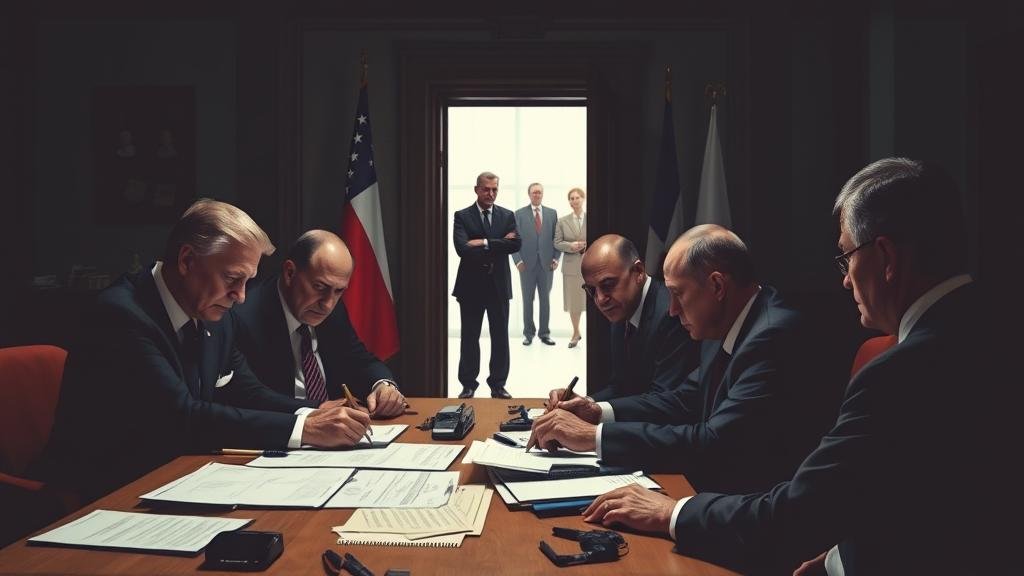
The Shifting Dynamics of Wartime Diplomacy
From the outset of this tragic conflict, the United States has been the undeniable leader in supporting Ukraine, supplying financial and military aid on a massive scale. Yet, as the war enters a more uncertain phase, a palpable awkwardness is descending upon European capitals, stemming from the prospect of a future being negotiated without their input.
Recent reports suggest that backroom discussions about a “US-Russian peace plan” are gaining traction, sparking concern from Brussels to Berlin. The fear is not just about being left out of talks; it’s about the potential for a hastily arranged deal that prioritizes a quick resolution over a sustainable peace, jeopardizing the long-term European security architecture.
“Nothing About Us, Without Us”: Europe’s Core Concerns
Europe’s rallying cry is clear: its voice must be heard. Leaders across the continent understand that the consequences of any peace agreement will directly impact them. Their concerns are multifaceted and deeply rooted in historical and present-day realities.
The Fear of a “Yalta 2.0”
For many European nations, particularly those in the east with a history of Russian domination, the idea of a US-Russia settlement triggers historical anxieties. They are haunted by the specter of a “Yalta 2.0,” where great powers determine the fate of smaller nations. The notion that the wartime diplomacy of 2024 could mirror the post-WWII divisions of Europe is a scenario they are desperate to avoid, making a unified front essential.
Economic and Security Interdependence
Unlike the US, Europe is on the front line of this crisis. The war has triggered the continent’s largest refugee crisis since World War II, severely disrupted its energy supplies, and rattled its economies. The European Union has invested enormous financial and humanitarian resources into Ukraine. A fragile peace deal threatens these investments and the long-term stability required for Ukraine’s reconstruction, which is a cornerstone of future European security.
The Specter of a Faltering US Commitment
The upcoming 2024 US election adds another layer of uncertainty. The potential for a shift in American foreign policy has European leaders accelerating efforts to enhance their own security capabilities. There is a growing consensus that the transatlantic alliance must evolve, with Europe taking greater responsibility for its defense. As the Atlantic Council notes, the EU must transform into a “strategic player,” not as a replacement for NATO, but as a more co-equal partner in global security.
The Call for a Stronger European Voice
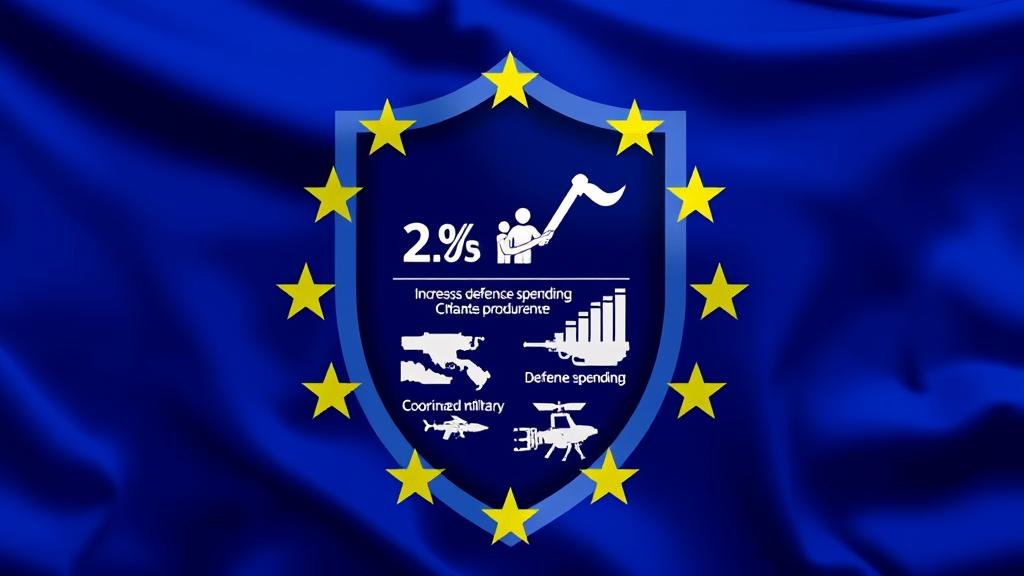
In response to these challenges, Europe is taking concrete steps to bolster its strategic autonomy.
- Increased Defense Spending: Many nations are now meeting the 2% of GDP defense spending target set by NATO.
- Coordinated Procurement: The EU is enhancing its deterrence posture by coordinating the joint purchase of ammunition and weapons.
- A “Geopolitical” Commission: Under Ursula von der Leyen, the European Commission is adopting a more assertive and proactive role in foreign policy.
What a Unified Allied Front Looks Like
A fragmented alliance benefits adversaries. A unified front, where the EU and US are aligned, is crucial for presenting a credible challenge. This unity requires:
- A Common Definition of Victory: Ensuring all allies agree on the strategic objectives and what a successful outcome entails.
- Coordinated Sanctions: Maintaining unified economic pressure on Russia.
- A Long-Term Plan for Ukraine: Providing Ukraine with a clear and secure path toward EU and NATO integration.
The Road Ahead: Challenges and Opportunities
Achieving consensus among 27 EU member states is notoriously difficult. However, the war in Ukraine has provided the EU with a renewed sense of purpose. This crisis presents an opportunity for the EU to solidify its role as a key geopolitical actor. The decisions made in the coming months will shape the future of European security and the strength of the transatlantic alliance for years to come. The world is watching to see if Europe can maintain its newfound momentum or if internal divisions will prevail.