The Fed Might Cut Interest Rates: What That Means for Your Wallet
Let’s be honest, listening to the Federal Reserve can be a real snooze-fest. It’s a parade of important people saying important words that often have the same effect as a lullaby. But every so often, the Fed says something that makes everyone drop their coffee.
Enter John Williams, the president of the New York Fed. He recently hinted at interest rate cuts, and the entire economy sat up and paid attention. So, let’s break down what this means for your personal finance and your wallet.
Who is John Williams?
No, not the guy who composed the Star Wars score. In the world of financial services, John Williams is a rockstar. As the head of the New York Fed, he has a permanent spot on the committee that decides the direction of interest rates (the FOMC). When he hints at a change, it’s like getting a sneak peek at the band’s next hit. His latest tune? A potential ballad for lower borrowing costs.

Why the Change of Heart?
For the past couple of years, the Fed has been in a battle with inflation, using higher interest rates as its primary weapon. The goal was to cool down spending, and it seems to be working. The inflation beast is finally taking a nap.
But this victory came at a cost. High rates made big purchases like a house or a car feel like a pipe dream and managing credit card debt a nightmare. Now, with inflation under control, the Fed is turning its attention to a new concern: a sluggish job market. Williams suggested that the risk of a weak job market is starting to outweigh the risk of inflation roaring back. This shift in focus is a strong argument for lowering interest rates from their current “scare you away” levels.

How a Rate Cut Could Impact Your Bank Account
This is where the rubber meets the road. How do these high-level decisions trickle down to you?
Mortgages: A Glimmer of Hope for Homebuyers?
The housing market has been tough, to put it mildly. A Fed rate cut could be the relief everyone has been waiting for. While the Fed doesn’t directly set your mortgage rate, its decisions have a huge influence. A cut could lead to:
- More Affordable Monthly Payments: Lower mortgage rates could make homeownership a reality for more people.
- A Chance to Refinance: If you’re a homeowner with a high-rate mortgage, this could be your opportunity to refinance your mortgage and cut down your monthly payments.
- More Homes on the Market: Cheaper borrowing might encourage current homeowners, who have been holding on to their low-rate mortgages, to finally sell.
Credit Cards: Relief from High Interest
If you have a credit card balance, you’re all too familiar with variable APRs. When the Fed raises rates, your APR goes up. An interest rate cut would do the opposite, giving you some much-needed breathing room to pay down your balance instead of just the interest.
Auto Loans: Cheaper Financing for Your Next Ride
The same principle applies to auto loans. A rate cut would likely lead to more competitive loan offers, potentially making your dream car more affordable.
The Flip Side: Bad News for Savers
There’s a catch, of course. If you’ve been enjoying the high returns on your high-yield savings account, get ready for a change. A lower rate environment means your savings will earn less interest. It’s the circle of financial life.
Wall Street’s Reaction
Wall Street loved the news of potential interest rate cuts. The stock market jumped because lower rates make it cheaper for companies to borrow, grow, and (ideally) increase their profits, making their stocks more attractive to investors.
What Should You Do Now?
An interest rate cut isn’t guaranteed, but the signs are pointing in that direction. Here’s how you can prepare:
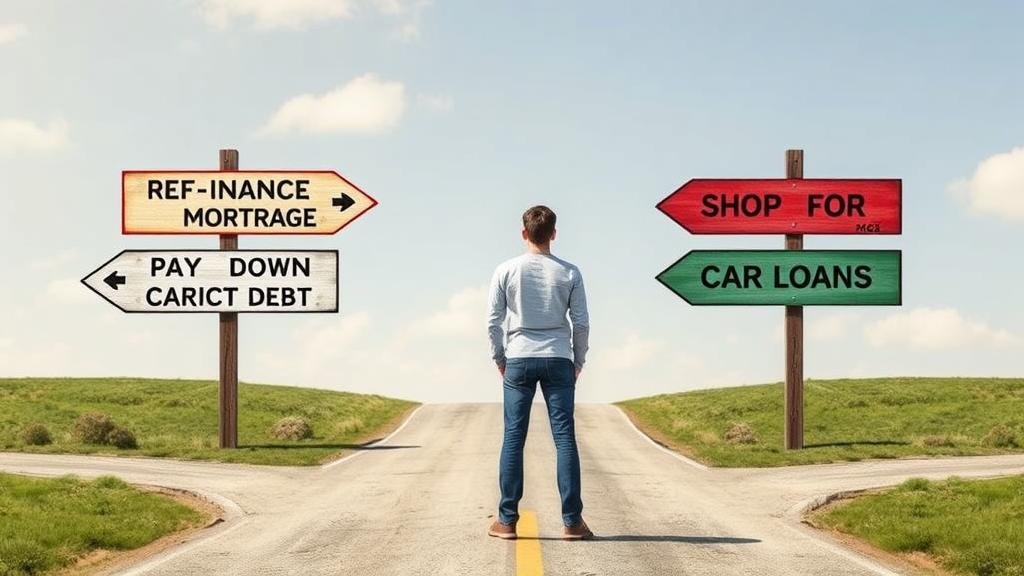
- Review Your Debts: Take a close look at your variable-rate debts, especially credit card debt.
- Shop for the Best Rates: If you’re in the market for a house or a car, start keeping an eye on the best interest rates. A little patience could save you a lot of money.
- Consider Refinancing: If you have a high-rate mortgage, start exploring what refinancing could look like for you in the coming months.
The next few months will be crucial. But for now, there’s a reason to be optimistic. A little financial relief might be on the way.