The Fed vs. The President: An Epic Feud Over Interest Rates and Your Money
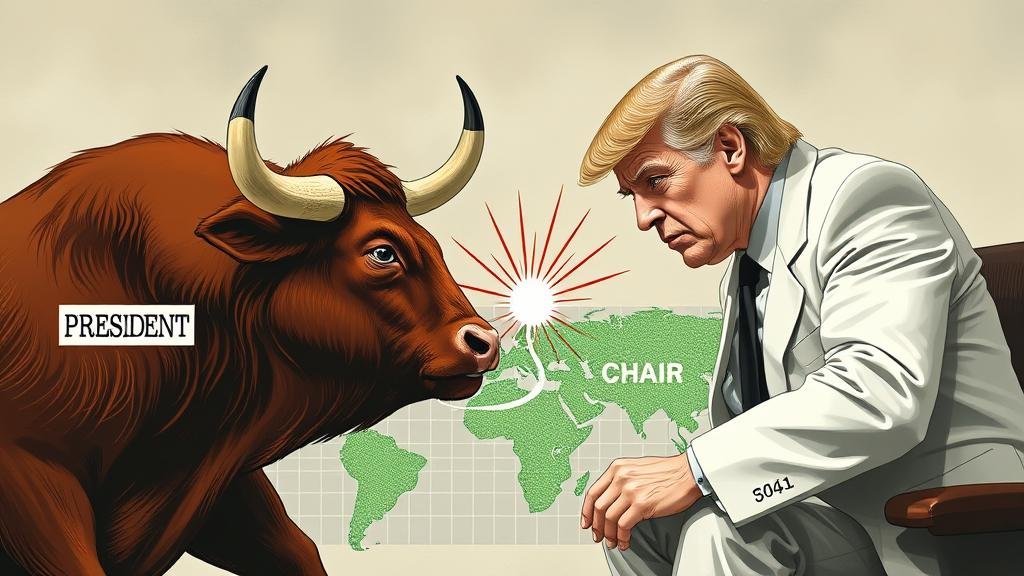
Welcome to the high-stakes world of finance, where powerful figures clash over the direction of the global economy. This isn’t just a dry debate over monetary policy; it’s a personality-driven feud with real consequences for your bank account. In one corner, we have the President, who reportedly called Fed Chair Jerome Powell a “stubborn ox.” In the other, we have Powell, tasked with steering the U.S. economy.
So, grab some popcorn. We’re about to unpack this battle of wills and what it means for you.

The Core Conflict: To Cut or Not to Cut the Federal Funds Rate?
At the heart of this dispute is the federal funds rate, the benchmark interest rate that influences borrowing costs across the entire economy. It might sound dull, but this is where the action is.
The President, with an eye on the economic outlook, has been a vocal champion for lower interest rates. His argument is simple: cheaper borrowing encourages businesses to invest and consumers to spend, boosting economic growth and the stock market. He often points to other countries with lower rates, essentially asking why the U.S. isn’t following suit.
On the other side, Jerome Powell and the Federal Reserve operate under a “dual mandate” from Congress: maintain maximum employment and keep prices stable. This is a delicate balancing act. Lower the federal funds rate too much, and they risk unleashing runaway inflation, eroding the value of your savings. Raise it too quickly, and they could stall the economy, threatening the job market.
Powell maintains that the Fed’s decisions are guided by economic data, not political pressure. It’s the financial world’s version of saying, “It’s not you, it’s the data.”
A War of Words with Real-World Consequences
The President’s criticisms have been public and pointed, questioning Powell’s competence and even floating the idea of firing him. This kind of public conflict is unprecedented and creates significant challenges.
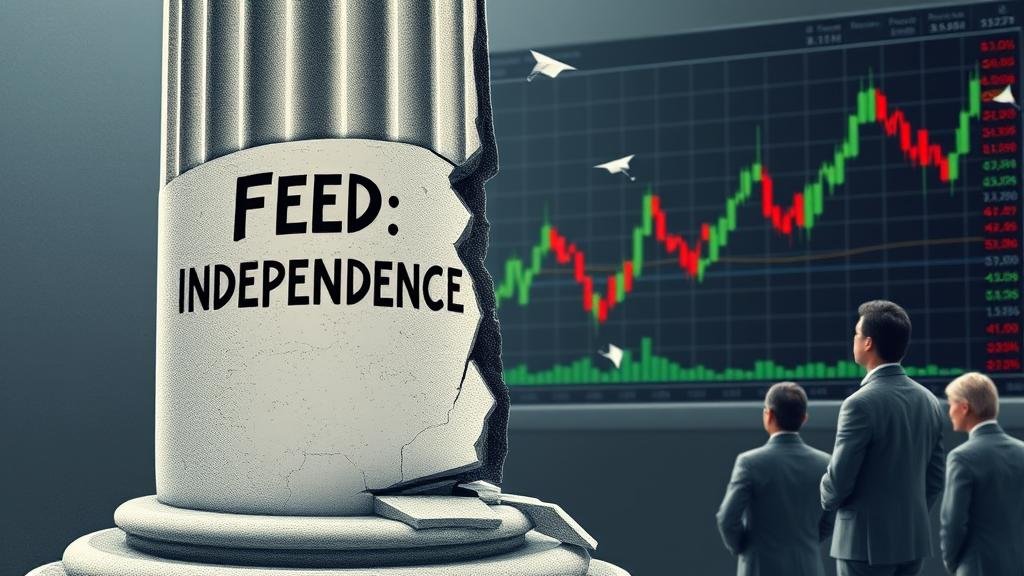
- Undermining Fed Independence: The Federal Reserve’s independence is a cornerstone of the U.S. financial system. It allows the institution to make politically unpopular but economically necessary decisions. When this independence is challenged, it can make markets question the credibility of its monetary policy.
- Creating Market Anxiety: Investors value stability and predictability. Public disagreements between the White House and the Fed create uncertainty, leading to volatility in financial markets. This unstable economic outlook makes everyone nervous.
- Eroding Public Trust: Constant criticism of the person in charge of managing the nation’s currency doesn’t exactly build confidence. It can erode public trust in one of our most vital economic institutions.

What Does This Mean for Your Wallet?
This Washington drama has a direct impact on your finances. The Fed’s decisions on the federal funds rate ripple through the economy, affecting:
- Mortgage Rates: When the Fed raises rates, the interest on a new mortgage is likely to go up, making homeownership more expensive. Conversely, lower rates, as advocated by the President, could reduce monthly mortgage payments.
- Car Loans & Credit Cards: The same principle applies here. Higher Fed rates translate to more expensive car loans and higher interest charges on your credit card balances.
- Savings Accounts: On the plus side, higher interest rates are good for savers. That savings account earning next to nothing might finally start generating a more noticeable return.
- The Job Market: The Fed’s tightrope walk has a direct impact on employment. If they miscalculate and slow the economy too much, it could lead to job losses, impacting the financial security of millions.
Final Take: Predictability is Priceless
While policy debates are healthy, the public and personal nature of this conflict is problematic. Financial markets, and the broader economy, thrive on predictability and trust in institutions like the Federal Reserve.
A stable, data-driven monetary policy is essential for long-term planning, whether you’re a family saving for a house or a business looking to expand. The current environment of uncertainty is exciting for headline writers, but not for anyone trying to secure their financial future. We’ll continue to monitor the economic outlook so you can stay informed.
Further Reading
For those who want to dive deeper into how the economy is managed, these resources provide detailed insights:
- The Federal Reserve’s Monetary Policy Report: A biannual report offering the Fed’s analysis and perspective on the economy.
- FRED (Federal Reserve Economic Data): A vast database from the St. Louis Fed with countless economic time series, including data on inflation, GDP, and interest rates.
By staying informed, you can make smarter financial decisions.