The Federal Reserve’s Independence: Why Political Pressure Threatens the U.S. Economy
The Federal Reserve, the central bank of the United States, plays a pivotal role in the nation’s financial stability. Its decisions on monetary policy have far-reaching consequences, influencing everything from employment rates to the cost of borrowing. However, the integrity of this crucial institution is facing a significant threat: political pressure. This raises a critical question for financial markets and every American’s financial well-being: What happens if the Federal Reserve’s independence is compromised?
The Critical Role of an Independent Federal Reserve
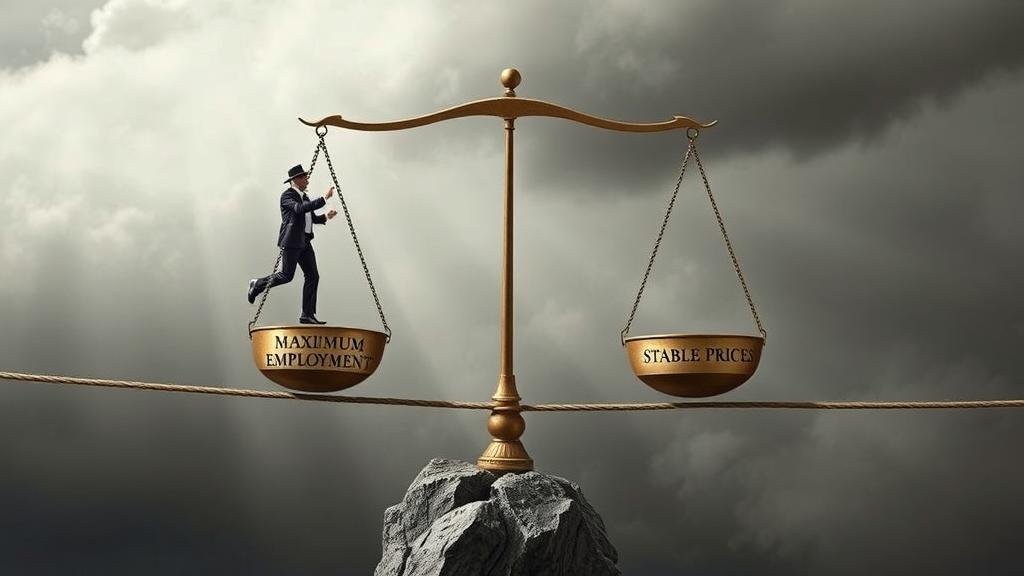
To appreciate the gravity of this issue, it’s essential to understand the Federal Reserve’s core mission. Congress has tasked the Fed with a dual mandate: to promote maximum employment and to maintain stable prices. These two objectives can sometimes be in conflict. For instance, combating inflation often requires raising interest rates, a move that can slow economic activity and lead to job losses.
This is precisely why the Fed’s independence is paramount. It must be able to make politically unpopular decisions for the long-term health of the U.S. economy. When a central bank is free from political influence, it can act as an impartial referee, making the tough calls necessary to prevent economic instability. Conversely, if a president could compel the Fed to lower interest rates for a short-term economic boost before an election, it would lead to a “sugar high” followed by rampant inflation, eroding the value of savings for all Americans. The establishment of an independent Fed was a deliberate move to prevent such scenarios and to safeguard the economy from the temptation of short-sighted political gains.
A History of Political Pressure on the Fed
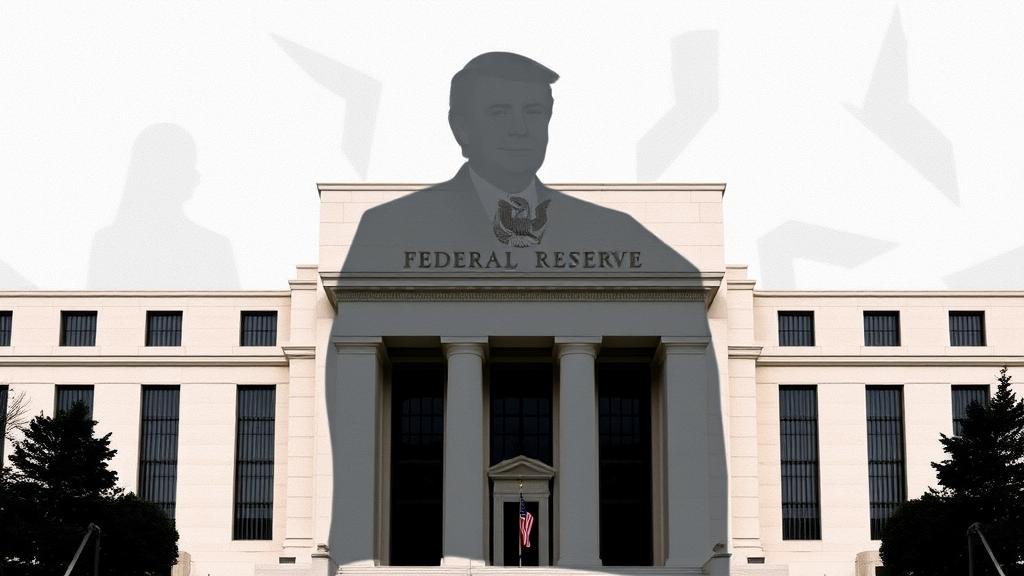
The concern over the Fed’s autonomy is not merely theoretical. During his presidency, Donald Trump repeatedly and publicly criticized his own appointee, Fed Chair Jerome Powell, for not cutting interest rates. This departure from the long-standing norm of respecting the Fed’s independence was a direct challenge to the institution’s credibility.
These attacks, which labeled the Fed as “clueless” and a greater “enemy” than China, were aimed at boosting the stock market for political advantage. While past presidents may have expressed their policy preferences privately, this public pressure campaign set a new precedent, leaving financial markets wary of future political interference.
Why Financial Markets Fear a Politicized Fed
Financial markets are built on predictability and trust. The prospect of a politically influenced Federal Reserve introduces a level of uncertainty that markets abhor. Here’s why:
- The Threat of Runaway Inflation: The Federal Reserve’s most potent tool against inflation is its credibility. When the public and financial markets believe the Fed is committed to controlling inflation, that belief itself helps to keep inflation in check. If that credibility is eroded by political interference, the risk of runaway inflation becomes very real.
- A Crisis of Credibility: The U.S. dollar’s status as the world’s primary reserve currency is underpinned by the trust in the American financial system. If international investors perceive the Fed as a political tool, they may lose confidence in the dollar, leading to a weaker currency and higher borrowing costs for the U.S. government and its citizens.
- The Chaos of Unpredictable Policy: A Federal Reserve that bases its decisions on political expediency rather than sound economic data would create a chaotic and unpredictable policy environment. This would make it impossible for businesses to plan for the future, for investors to accurately price risk, and for the economy to grow in a stable and sustainable manner.

How a Politicized Fed Impacts Your Personal Finances
The consequences of a politicized Fed are not confined to Wall Street; they have a direct impact on the financial health of every American.
- Mortgage Rates and Loans: In a high-inflation environment, lenders will demand higher interest rates to compensate for the eroding value of their profits. This would make it more expensive for you to get a mortgage for that home you’ve been dreaming of.
- The Value of Your Savings: Uncontrolled inflation acts like a silent tax on your savings, diminishing their purchasing power over time. The money you’ve diligently saved for the future could be worth significantly less.
- Your Investment Portfolio: The uncertainty and volatility that would result from a politically compromised Fed would send the stock market on a turbulent ride, jeopardizing your 401(k) and other investments.
- Job Security: While politically motivated rate cuts might create a temporary surge in employment, the subsequent boom-bust cycle is detrimental to long-term job security and economic stability.
The process of appointing a new Fed chair, which involves a presidential nomination and Senate confirmation, is a critical test of our economic institutions. It is imperative that the individual chosen for this role is committed to upholding the Federal Reserve’s independence. The future of our economic stability depends on it.