The Day the Timekeeper Dropped the Stopwatch: Anatomy of a Financial Data Leak
Timing is everything. It’s the difference between a perfectly landed joke and an awkward silence. In the financial world, timing isn’t just awkward; it’s the bedrock of market stability. But what happens when the official timekeeper accidentally starts the race early?
Complete and utter chaos. That’s what we got when a major fiscal watchdog prematurely released sensitive economic data, sending investors scrambling and igniting a firestorm on financial Twitter. It was a stark reminder that the market is often a twitchy beast, and sometimes, a single slip-up can trigger significant market volatility.
For us at Creditnewsinsider, this was more than just a headline; it was a real-world example of the principles we preach. Let’s break down what happened and what it means for your investment strategy.
What’s a Fiscal Watchdog, Anyway?
Before we dive into the drama, let’s get the basics down. What is a fiscal watchdog? Think of them as the impartial scorekeepers of government finance. Organizations like the Congressional Budget Office (CBO) in the U.S. provide unbiased, data-driven financial reports on:
- Government spending and revenue
- Key economic indicators like GDP growth, inflation, and unemployment
- The economic impact of proposed legislation
Because their reports are supposed to be free of political spin, investors and financial institutions hang on their every word.

Anatomy of a Mistake: The Premature Release
Here’s how it went down: At 9:15 AM, hours before the scheduled noon release, the full, highly anticipated report on economic data appeared on a little-known page of the agency’s website.
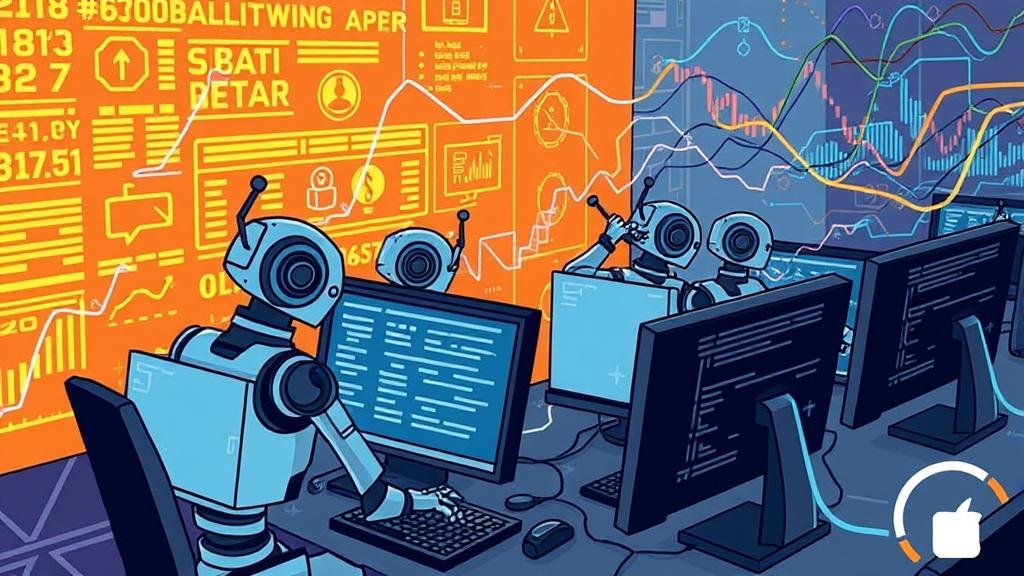
At first, only the algorithmic trading bots noticed. But in today’s hyper-connected world, information spreads like wildfire. Within minutes, screenshots of alarming inflation numbers and GDP figures were circulating online, stripped of their crucial context. This created a massive information asymmetry, shattering the principle of a level playing field for all investors.
Market Mayhem: A Cascade of Confusion
The market’s reaction was swift and brutal. The initial confusion over the legitimacy of the leak quickly gave way to a full-blown meltdown.
In the information vacuum, trading bots went into overdrive. Bond yields spiked, and the stock market, which had started the day on a positive note, took a sharp downturn. This is a classic example of how unexpected news can lead to severe stock market fluctuations.
Meanwhile, retail investors were bombarded with “BREAKING NEWS” alerts, creating a perfect storm for panic selling. As we always say at Creditnewsinsider, knee-jerk reactions based on incomplete information are a recipe for financial disaster. Anyone who sold in that first hour of chaos likely locked in a significant loss.
The Long-Term Damage: More Than a Bad Trading Day
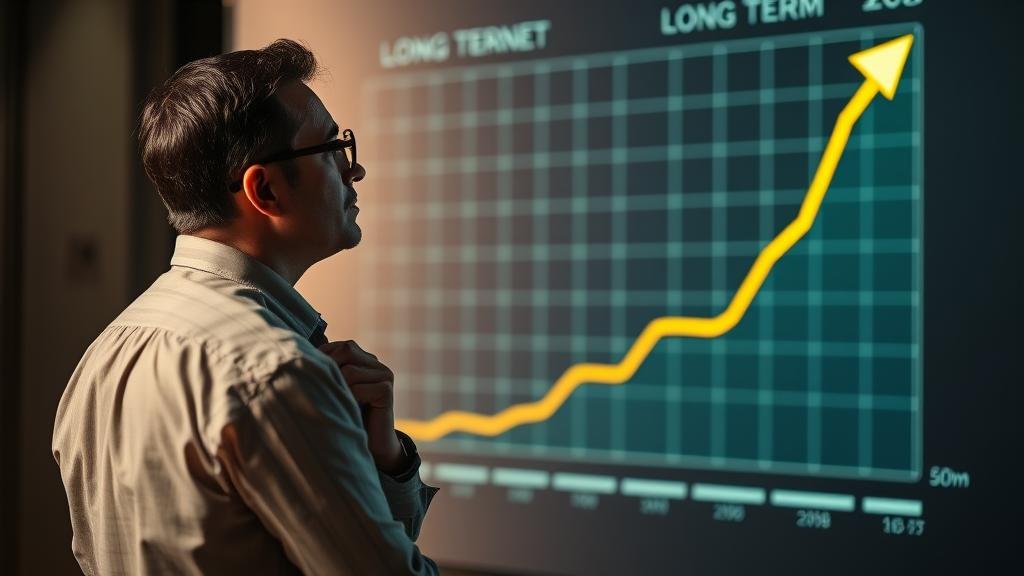
While the market eventually stabilized, the long-term consequences of this data breach are significant.
- Erosion of Trust: The watchdog’s credibility took a major hit. Rebuilding trust as an infallible source of financial data will be a long and arduous process.
- Regulatory Scrutiny: You can be sure that financial regulators are now investigating this incident to determine how it happened and if any illegal trading occurred.
- A Lesson in Patience: This event serves as a powerful lesson in the importance of patience. In an age of instant information, the smartest move is often to breathe, verify, and stick to your long-term investment strategy.
How Creditnewsinsider Helps You Navigate the Noise
This is exactly why Creditnewsinsider exists. We’re here to cut through the noise and provide clear, contextualized financial news analysis. We focus on:
- Verification First: We don’t report on it until we’ve confirmed it’s accurate.
- Context is King: We provide the “what” and the “why it matters for you.”
- The Long Game: We’ll always remind you that a sound investment plan shouldn’t be derailed by short-term market volatility.
Conclusion: In an Age of Speed, Deliberation is a Superpower
The fiscal watchdog’s premature data release was a monumental blunder that created unnecessary anxiety and financial losses. For investors, it was a dramatic reminder that the speed of information doesn’t equal the quality of information.
The traders who reacted instantly may have felt they were gaining an edge, but the investors who waited for the complete, contextualized report were the ones who acted with clarity. Resist the urge to engage in reactionary trading. Build your strategy, trust your sources, and remember that in finance, patience and a level head are your most valuable assets.