“`html
The G20 Summit Thrived Without the US: A New Era in Global Leadership
Remember that feeling in high school when you skipped a party, assuming it would be a total dud, only to see pictures of everyone having the time of their lives on Monday? The United States is having one of those moments right now.
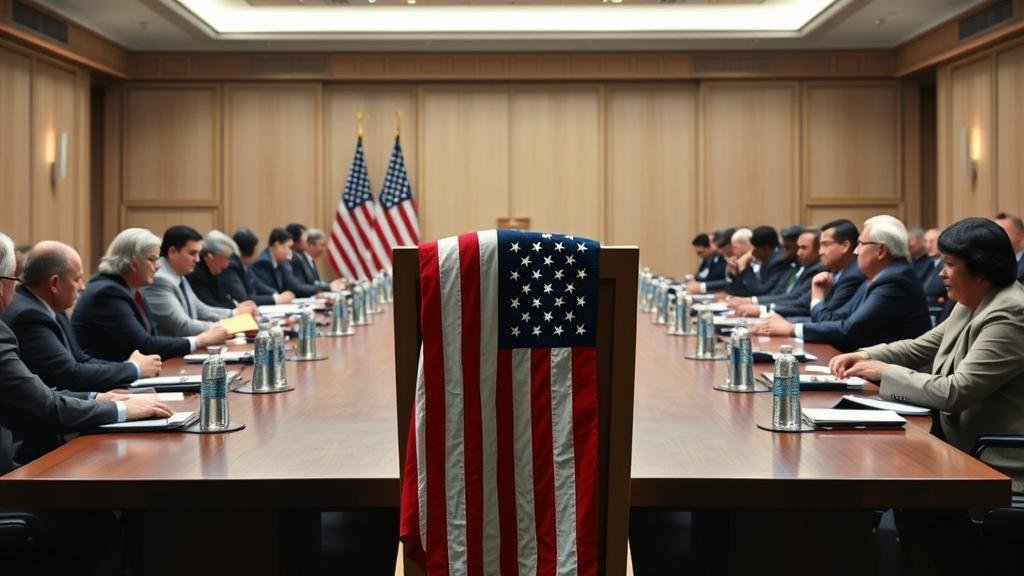
For ages, the US was the undisputed quarterback of the free world. But at the recent G20 summit in Johannesburg, the US decided to stay home. The surprising part? The world, it seems, just kept on dancing. In a move that would’ve been wild just a few years ago, the G20 wrapped up with a unanimous Leaders’ Declaration—all without America in the room. This wasn’t just forgetting to RSVP; it was a deliberate US boycott, probably meant to create geopolitical tensions and make the whole thing fall apart. Plot twist: it didn’t.
The G20 didn’t just survive; it thrived, signaling a new era for multilateralism. It was like watching a band’s lead singer storm offstage, only for the bassist and drummer to launch into an even better jam session. The remaining G20 leaders tackled the climate crisis, global inequality, and even AI regulation. It was a clear signal that the rest of the world isn’t going to wait for one country’s political drama to settle down.
As we at Creditnewsinsider have been saying, this trend of the world quietly challenging US global leadership has been brewing for a while. The G20 summit was just the most obvious example of this new, multipolar world taking shape.
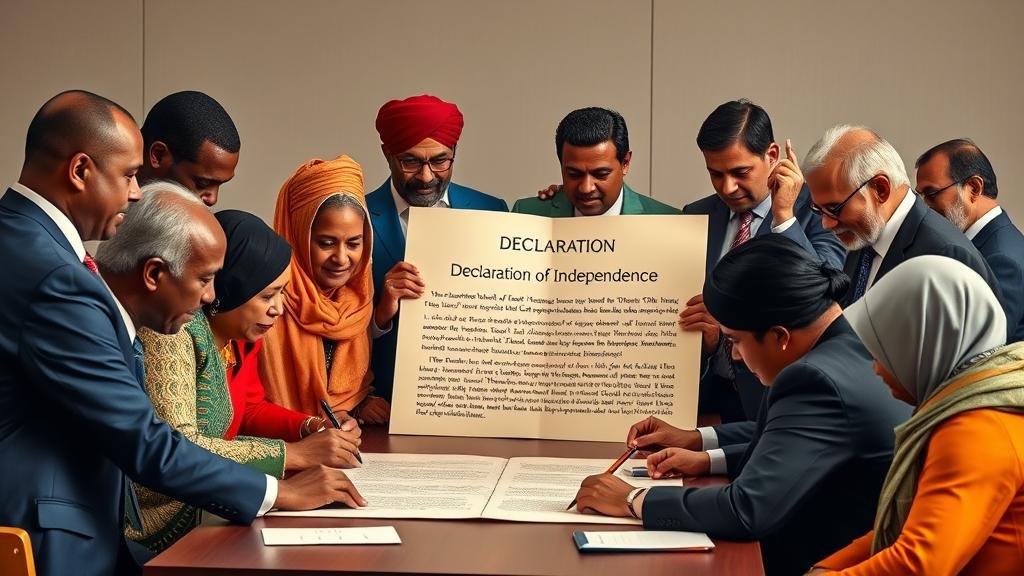
The G20’s Declaration of Independence
The Johannesburg summit was a watershed moment. The Leaders’ Declaration, adopted while the US was presumably catching up on Netflix, was a shockingly ambitious document for global governance.
Let’s break down the highlights:
- →A Renewed Vow to Not Boil the Planet: The declaration doubled down on the Paris Agreement, calling for a more aggressive approach to the climate crisis. This united front on global cooperation is a pretty big deal with the COP30 summit looming.
- →A Push for Global Fairness: South Africa, the host, made sure that tackling global inequality was front and center. The agreement included promises to reform the whole global financial system to be less of a private club for super-rich countries, emphasizing solidarity, equality, and sustainability.
- →A “How-To” Guide for AI: The G20 leaders also agreed to work on rules for artificial intelligence. This is pretty forward-thinking, making sure we don’t accidentally create Skynet. It shows the G20 can tackle new global challenges without waiting for permission.
The fact that this all happened without the US is a huge testament to the resilience of global cooperation. It proves leaders can still find common ground, even when the geopolitical climate is spicy.
COP30: The Climate Change Reunion Tour
Alright, so the G20 was the season premiere. Next up is the big crossover event: the COP30 climate conference in Belém, Brazil. The planet is basically running a fever, and we’re running out of time to solve the climate crisis.
A US no-show at COP30 would be a blow. The US is the world’s second-biggest polluter; its leadership is a big deal. However, the G20 just gave us a glimmer of hope. The unity on display in Johannesburg suggests the world is done waiting. Other big players—the EU, China, India—are stepping up. The EU has been the designated driver of the climate agenda for years; now it might just take the car keys for good.
Plus, you’ve got developing nations, the ones getting hit first and worst by climate change, who are no longer asking nicely. They’re demanding action and aren’t afraid to call out the big emitters. It’s a whole new dynamic.
A Multipolar World: The New Group Project
So what does this all mean? We are officially entering the “group project” era of global politics.
“Multipolar world” sounds dreadfully boring, but all it really means is that power is spread out now. The world isn’t revolving around one single quarterback anymore; it’s more like a soccer team where multiple players can score.
This new reality has its pros and cons. On one hand, it could get messy, with different power centers creating geopolitical tensions. On the other, it could lead to a more democratic system where more voices get heard. We here at Creditnewsinsider are betting on the latter. The global challenges we face—climate change, pandemics, economic fairness—can’t be solved by one nation acting like the sole hero.
The Johannesburg summit showed that the world can come together. It’s a lesson we should all pay attention to as we navigate this century. The world isn’t waiting for a singular leader; it’s charting its own course, together. And that, surprisingly, might just be the best news we’ve heard all year.
“`