Geneva Jitters: Decoding the US-led Proposal to End the War in Ukraine
That feeling in a group project when one person goes rogue? The one who was supposed to be designing the PowerPoint slides but instead shows up with a diorama and a half-baked interpretive dance? Well, imagine that, but with global security and nuclear powers. That’s Geneva right now.
Top officials are huddled in a room, probably with some excellent Swiss chocolate, to talk about a new US-led proposal to end the war in Ukraine. But instead of a “kumbaya” moment, it’s amplifying the international-relations equivalent of a “U up?” text at 2 AM. It’s confusing, a little alarming, and everyone’s new favorite question is: what in the world is America actually doing with its US foreign policy?
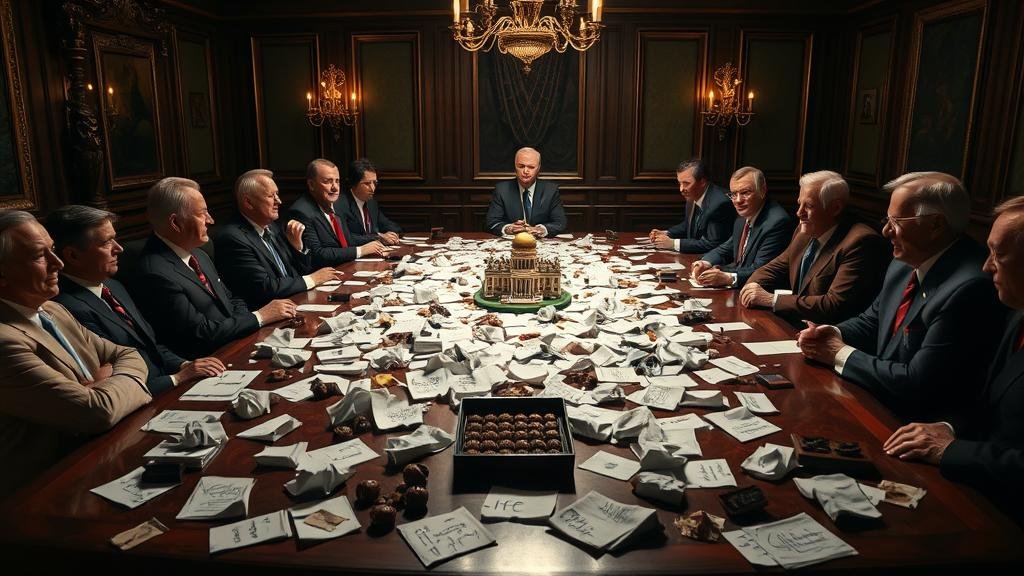
The US Proposal: Less Blueprint, More Napkin Sketch
The whole reason for this diplomatic shindig is a new “peace proposal” from the Trump administration. And when I say “proposal,” I use the term loosely. The full details are wrapped in more secrecy than the KFC recipe, but the leaks are giving Ukraine and our European pals a serious case of the heebie-jeebies.
Reuters says it involves “significant concessions to Russia,” which to Ukrainian officials sounds—and I’m quoting here—”alarming.” The Associated Press added that it “sparked alarm,” which is just one step below “sparked a panicked run on a country’s entire supply of emergency vodka.”
Now, before your eyes glaze over like a Krispy Kreme, here’s the gist of this mystery plan:
- A ceasefire that freezes the frontlines. This basically tells Russia, “Congrats on the land you grabbed, you can keep it for now.” For Ukraine, who wants its 2014 borders back, this is a non-starter. My 7-year-old has a better grasp of “you can’t just take stuff that isn’t yours.”
- A vague promise of more talks. Cool, cool. But about what? And who brings the snacks? The details are conspicuously absent.
- “Security guarantees” for Ukraine. These guarantees are so undefined they might as well be written in invisible ink. It’s like promising to be someone’s bodyguard but refusing to say if you’ll actually show up if a fight breaks out, a classic example of diplomatic uncertainty.
Let’s be real: the most striking thing here is the ambiguity. Is this a serious Ukraine peace plan, or a political Post-it note designed for the folks back home? The jury is not only out; it’s left the courthouse and is halfway to Cancún.
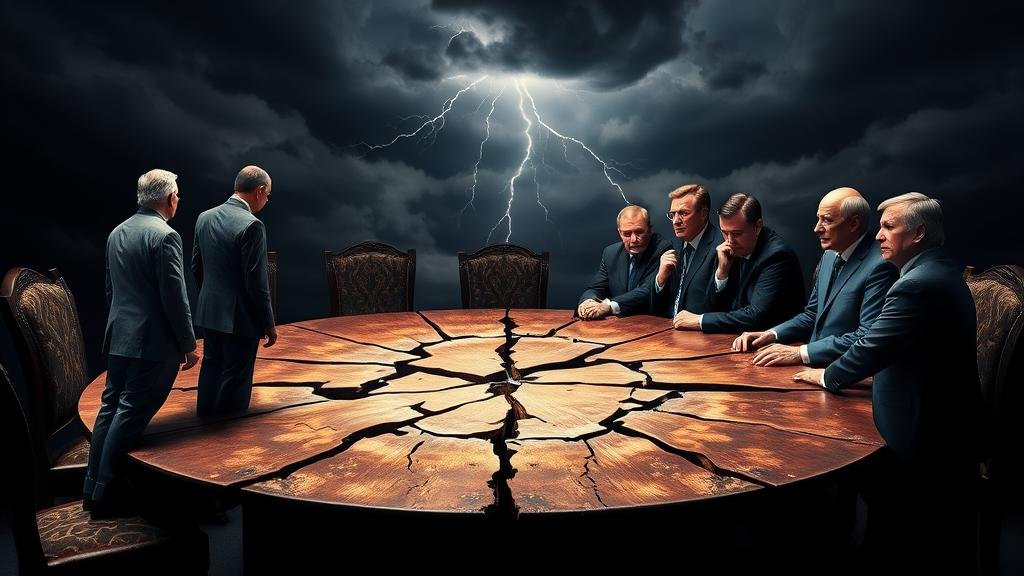
Ukrainian and European Apprehensions
The reaction from our allies was less “cautious optimism” and more “the group chat is on fire.” For months, they’ve been united in helping Ukraine, pouring in billions. This sudden swerve from the US, without so much as a heads-up email, feels a bit like a betrayal and is causing major geopolitical tensions.
One Ukrainian official anonymously told Euronews the plan “reads like a capitulation.” Yikes. That’s the diplomatic equivalent of getting a text that just says, “We need to talk.” Across Europe, leaders worry that a half-baked deal will just encourage Russia to try this again in a few years, but bigger. You feel me?
Their main concerns are pretty straightforward:
- Trading land for “peace” is a no-go. It sets a terrible precedent and basically rewards bullying on a global scale.
- Where’s the long-term safety plan? A ceasefire without real security guarantees for Ukraine is just hitting the pause button on future aggression.
- Hey, what happened to our transatlantic alliance? The go-it-alone nature of this proposal has everyone questioning if the US is a reliable partner or just a moody teenager who changes their mind every five minutes.

The Geneva Meeting: A Quest for Clarity
So, everyone flew to the Geneva meeting for what was essentially the world’s most expensive and high-stakes “can you explain your text?” meeting. The Ukrainian and European teams came looking for answers. The US delegation, led by Secretary of State Marco Rubio and special envoy Steve Witkoff? About as chatty as a mime at a library.
Cue dramatic pause.
While the talks are tense behind closed doors, the real kicker came from a Reuters report detailing former President Trump’s plan to end the war, which included an accusation that Ukraine has shown “ingratitude.” This is like your dad telling your friend they’re “ungrateful” for the used car he gave them… while the car is actively on fire. The timing couldn’t be worse, and it just pours gasoline on an already raging diplomatic dumpster fire.
Diplomacy, folks. It’s not for the faint of heart.
What This Means for the Future of the Conflict
Alright, let’s bring this down from the Swiss Alps and into your wallet. This diplomatic fog is bad for business and anyone with a 401(k). Still reading? Wow. You’re officially my favorite.
Here’s the real-world fallout of this confusion:
- The war drags on. If Russia sees cracks in the Western alliance, why would it negotiate seriously? It’ll just wait for the group project to completely fall apart. A Russia peace plan seems more likely to prolong the conflict than end it.
- Your stocks get jumpy. Global uncertainty is pure caffeine for market volatility. So while the diplomats are in a staring contest, your portfolio is holding its breath.
- Supply chains get even messier. Remember when you couldn’t get a PlayStation? A longer war means more supply chain disruptions for everything from grain to car parts.
The path to peace is always a messy one, but right now, it looks less like a path and more like a maze designed by a very sarcastic gremlin. And yes, that will be on the test.