Geneva Peace Talks: Decoding the US Plan to End the War in Ukraine
The city of Geneva is once again at the center of international diplomacy, hosting high-stakes talks focused on a US-led peace proposal designed to end the prolonged war in Ukraine. As diplomats convene, the international community is cautiously optimistic, yet keenly aware of the complexities and divisions surrounding the plan. This article breaks down the key components of the proposal, the political hurdles, and what’s at stake during these pivotal negotiations.
For two years, the conflict in Ukraine has continued unabated. The introduction of an American-led peace plan offers a potential pathway to de-escalate the bloodshed. However, the proposal has been met with a mix of cautious support and significant skepticism, particularly regarding its core tenets. Here, we analyze the details of this diplomatic initiative.

The US Peace Proposal: A Framework for Peace?
While the complete details of the peace plan remain confidential, diplomatic sources have outlined its fundamental pillars. The proposed framework is built on several key actions:
- A Comprehensive Ceasefire: The plan calls for an immediate cessation of all hostilities, to be monitored by an international peacekeeping force to ensure compliance.
- Withdrawal of Russian Forces: A phased withdrawal of Russian troops from Ukrainian territory is a central component, though the precise scope and timeline remain contentious points of negotiation.
- Long-Term Security for Ukraine: To prevent future aggression, the proposal includes robust, internationally-backed security guarantees for Ukraine—a critical demand from Kyiv.
- Amnesty for Russian Combatants: Perhaps the most controversial element is a proposed amnesty for Russian forces in exchange for their complete withdrawal. This point has generated significant debate and emotional response.
These elements form the basis of the Geneva talks, where negotiators will attempt to resolve the ambiguities and bridge the significant gaps in a plan filled with challenges.
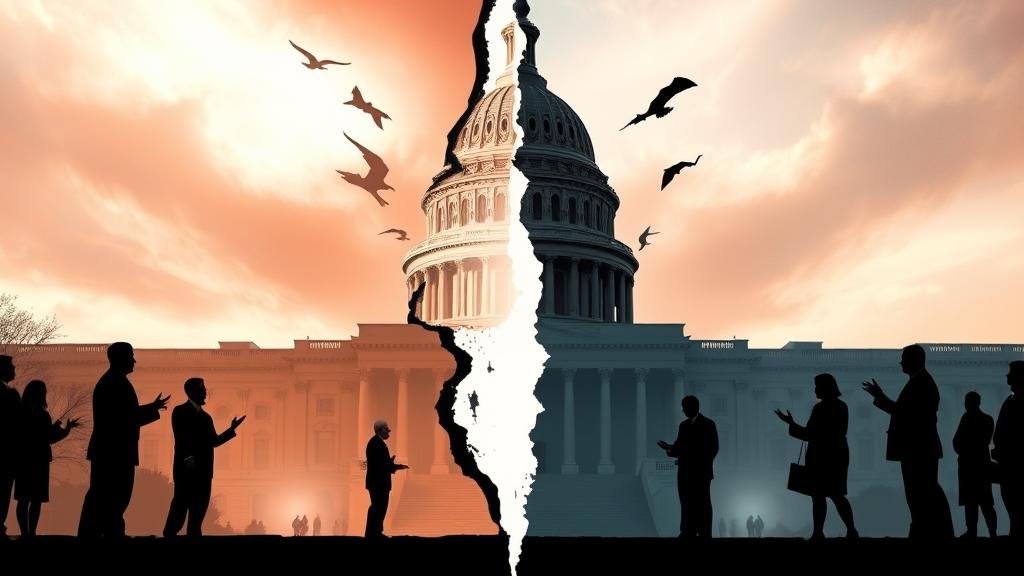
Internal US Division Complicates Negotiations
A significant obstacle has emerged not from an adversary, but from within the United States itself. The Biden administration is publicly championing the peace plan as a viable route to peace. However, reports from the Associated Press indicate a lack of consensus, with several US senators expressing reservations, suggesting the plan may be too favorable to Russia.
This public display of internal disagreement risks undermining the United States’ credibility and negotiating power. A unified front is essential for selling a peace plan of this magnitude, and the apparent friction within the US government presents a serious challenge to its successful implementation.

The Moral Dilemma: Ukraine’s Stance on Amnesty
For Ukraine, the peace proposal presents an agonizing choice. While an end to the war is the ultimate goal, the provision of amnesty for Russian forces, who stand accused of widespread atrocities in cities like Bucha, is a deeply problematic concession.
The scale of alleged war crimes has led to deafening calls for justice and accountability within Ukraine. A Ukrainian official emphasized this sentiment, stating, “Peace without accountability is not a true peace.” To accept amnesty would mean forsaking justice for countless victims, a price that many Ukrainians find impossible to pay. This moral conflict is one of the most significant barriers to a potential agreement.

The Geneva Meeting: A Critical Test for Diplomacy
The talks in Geneva represent a crucial test for this peace proposal and for the future of the Ukraine war. The key questions that will determine the outcome are:
- Can the United States consolidate its position and reassure Ukraine of its commitment?
- Will Russia engage in genuine negotiations, or is its participation merely performative?
- Is a compromise on the issue of amnesty possible without sacrificing justice?
The resolution of these issues will have far-reaching implications for global security. A successful outcome could pave the way for a sustainable peace, while a failure could prolong the devastating conflict.
The Path Forward: A Long and Uncertain Road
The road to peace in Ukraine is fraught with obstacles. The Geneva meeting is a single, albeit critical, step on a long and arduous journey. The confusion and controversy surrounding the US proposal highlight the immense challenges of international diplomacy in the face of brutal conflict.
As the world watches, the fate of millions hangs in the balance. The hope is that diplomatic ingenuity can navigate the deep-seated divisions and produce a breakthrough. We will continue to monitor the developments from Geneva, providing analysis of this complex and evolving situation.