Germany and China’s “De-Risking” Dance: What it Means for Global Trade
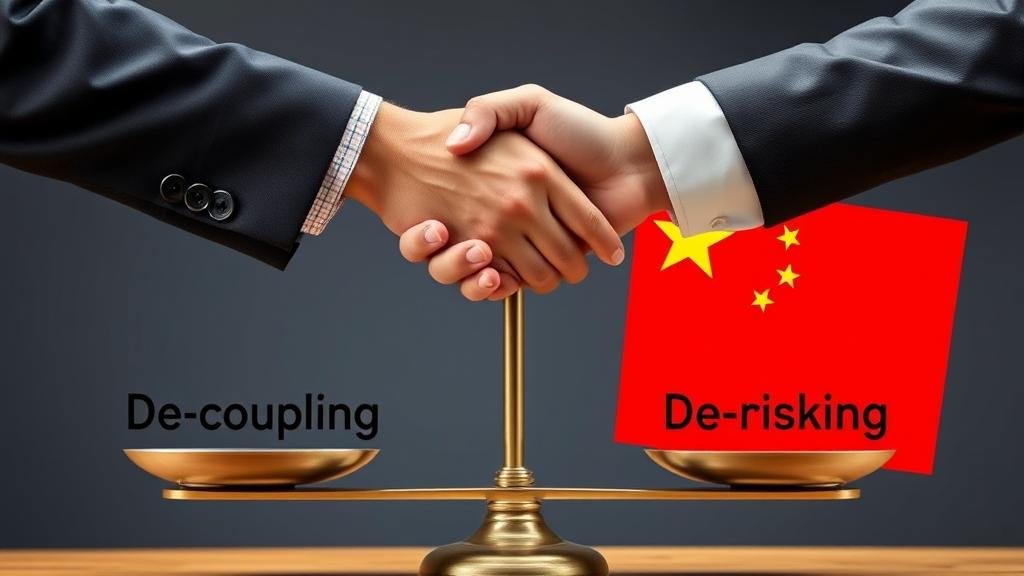
The “De-Risking” Dance: Germany and China’s New Playbook
Germany and China, two heavyweights of the global economy, just had a talk, and it wasn’t about whose cuisine reigns supreme. Chinese Premier Li Keqiang’s message to German Chancellor Olaf Scholz was simple: let’s keep our economic partnership pragmatic and profitable. For Germany, a nation practically built on exports, this was music to their ears.
With China as its largest trading partner, the Germany-China trade relationship is a linchpin of the world economy. For a while, the buzzword was “de-coupling“—a messy, expensive economic divorce between the West and China. But now, a new term is dominating the conversation: “de-risking.” Think of it less as a breakup and more as a strategic rebalancing. It’s a move to reduce over-reliance on a single market while keeping the economic engine humming—a “we can still be friends who do billions in business” kind of deal. This shift is a crucial development in a world grappling with the aftershocks of the US-China trade war.
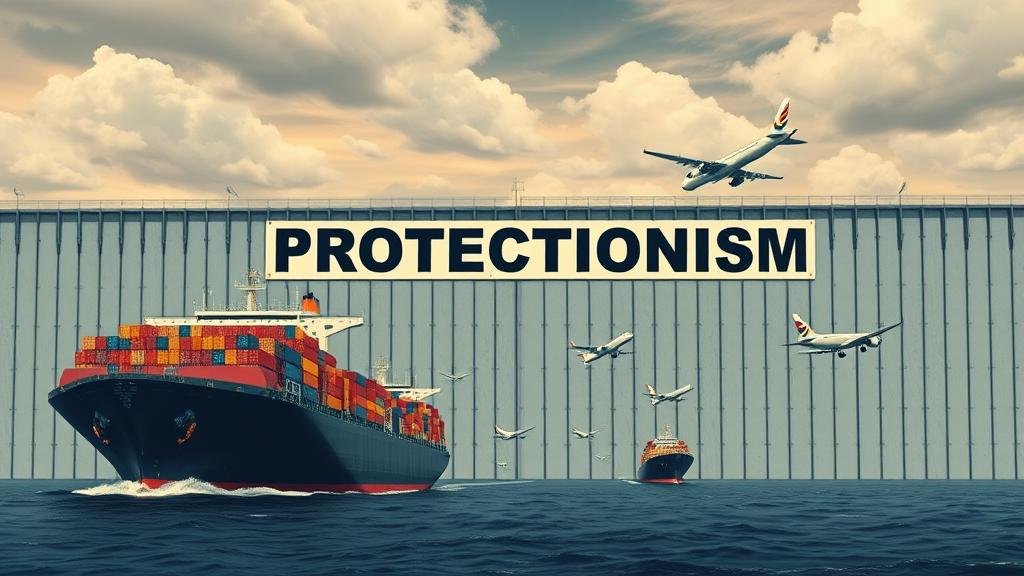
Confronting the Wall of Protectionism
This Germany-China dialogue offers a glimmer of hope against a rising tide of protectionism. The global attitude has shifted from “open for business” to a more guarded, “get off my lawn” stance. The US-China trade war has been the main event, a geopolitical slugfest that has tangled supply chains and made everything from your phone to your sneakers pricier. This wave of economic nationalism threatens to dismantle the intricate web of global trade woven over decades, leaving the World Trade Organization (WTO) looking like a substitute teacher who’s lost control of the class.
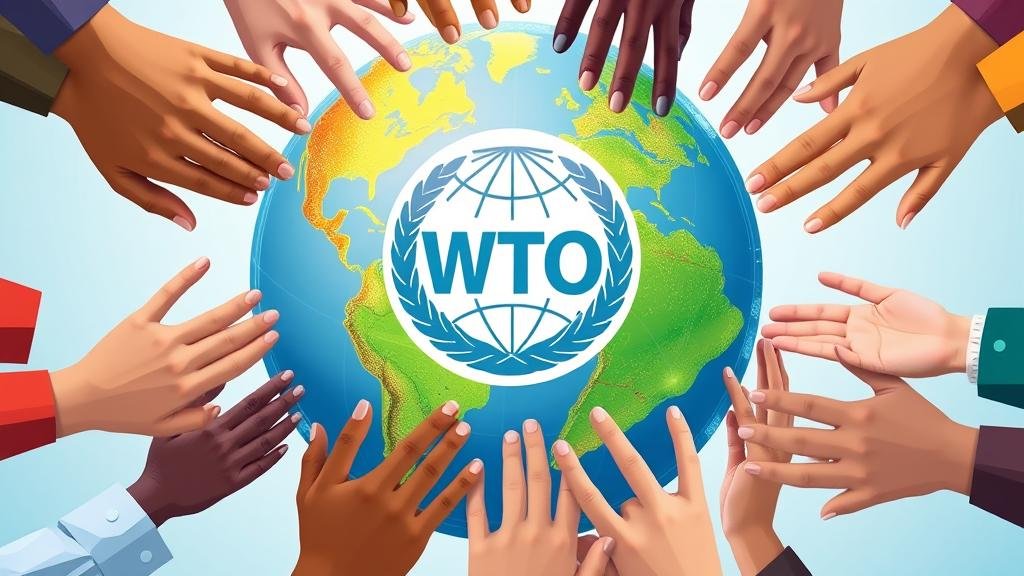
Why We Still Need Multilateralism
In a world splintering into economic factions, the value of multilateralism is more apparent than ever. Here’s why collaboration isn’t just a nice idea—it’s a necessity for economic stability:
- A Predictable Playing Field: Multilateral bodies like the WTO provide the rules of the road for global trade, ensuring that disputes are settled with legal arguments, not just punishing tariffs.
- Fuel for Innovation: Open markets create a global potluck of goods, services, and ideas, sparking innovation and growth. Protectionism is like eating the same bland dish every day—safe, but ultimately uninspiring.
- Tackling Global Crises: From climate change to pandemics, the world’s biggest problems require a united front. No single country, no matter how powerful, can solve them alone.
- Opportunity for Developing Nations: The global trade system is a vital artery for smaller economies, giving them a platform to sell their products and grow. Slamming the door shut hurts them the most.

The Market’s Verdict and the Path Forward
Financial markets, which despise uncertainty more than anything, have breathed a sigh of relief at the de-risking approach. This more measured strategy from Germany and China boosts investor confidence and gives businesses a clearer path for future planning.
However, the road ahead is still riddled with challenges. Deep-seated geopolitical rivalries won’t evaporate overnight. The dialogue between Germany and China is a promising start, a clear signal that in our interconnected world, going it alone is a losing game.
For world leaders, the mission is to step back from the brink of economic nationalism and recommit to the frameworks that support the global economy. For businesses and investors, the lesson is clear: geopolitics is no longer a fringe issue but a central factor in economic strategy. The future of global trade and economic stability hinges on a renewed commitment to multilateralism and a shared understanding that, as our German and Chinese counterparts have shown, we are all in this together.