Germany and Israel’s Alliance: A Diplomatic Tightrope in the Gaza Conflict
The relationship between Germany and Israel is perpetually complex, forged in the aftermath of unimaginable history. This bond is less a standard alliance and more a deeply felt obligation. Germany’s commitment to Israel’s security, encapsulated by the term Staatsräson, signifies that Israel’s safety is a cornerstone of German national identity.
Following the horrific events of October 7th, Germany was steadfast in its support. Chancellor Olaf Scholz was unequivocal, calling the protection of Israel Germany’s “perpetual task.” However, as Israel’s military campaign in the Gaza conflict intensified and the humanitarian crisis reached catastrophic levels, Berlin’s tone began to shift. Germany continued to uphold Israel’s right to self-defense, but its statements evolved from unwavering endorsement to those of a deeply concerned ally, creating palpable awkwardness.
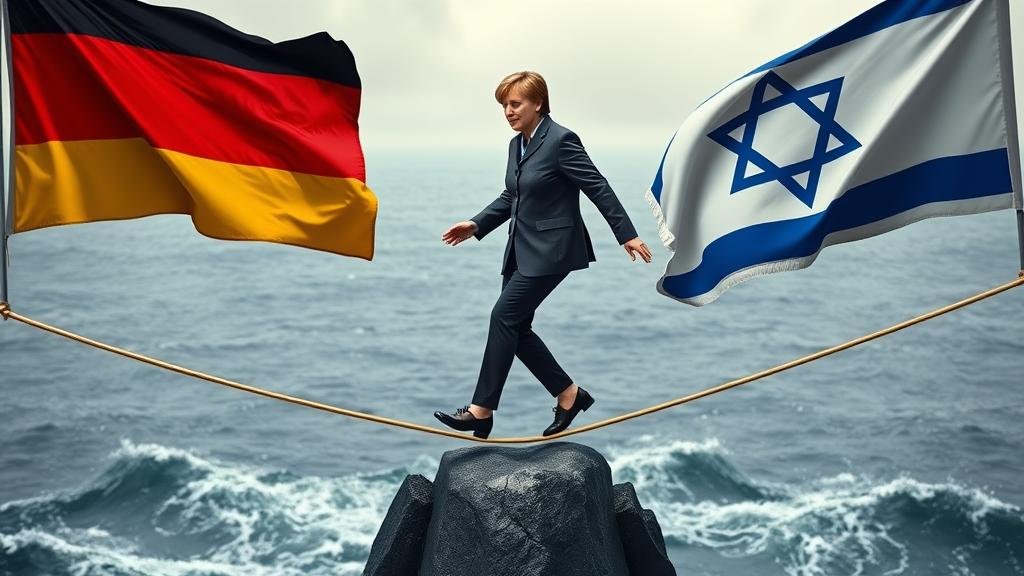
The Diplomatic Tightrope Walk
Imagine visiting a friend you have profound disagreements with, yet feel a historical responsibility for their wellbeing, and you need to gently convey that their current actions are causing a global crisis. This was the essence of Chancellor Olaf Scholz‘s trip to Israel—a masterclass in performing a diplomatic tightrope act.
First, Scholz reaffirmed Germany’s ironclad commitment to Israel’s security in his meeting with Prime Minister Netanyahu, a crucial reminder that the foundation of their friendship remained solid despite disagreements.
Then came the delicate “we need to talk” moment. Before the press, Scholz began using terms like “proportionate” and questioning the “terribly high costs” of the war. He vocalized the question on everyone’s mind: “No matter how important the goal is, can it justify such immense costs?” This was the geopolitical equivalent of expressing deep disappointment, a sentiment often more potent than anger.
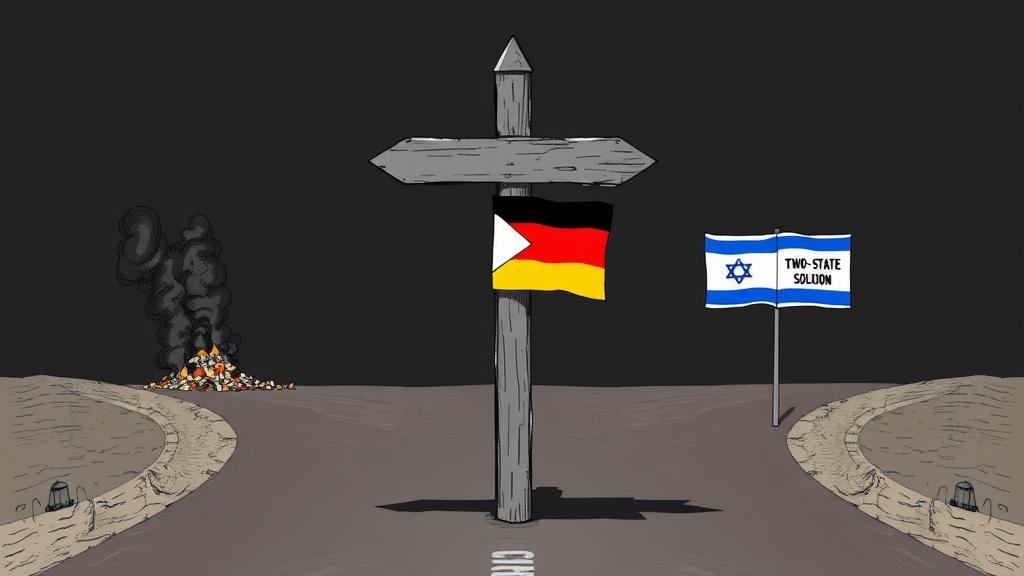
Key Sticking Points: Rafah and a Two-State Solution
The tension in Germany-Israel relations primarily revolves around two critical issues:
1. The Red Line at Rafah
With over a million displaced people crowded into the southern Gaza city of Rafah, Israel’s announced plans for a ground offensive raised alarms worldwide. Germany, alongside the U.S. and others, flagged this as an impending humanitarian catastrophe. Scholz and his foreign minister explicitly warned against such a move, marking a clear red line.
2. The Push for a Political Horizon
Germany remains a staunch advocate for the two-state solution, arguing that long-term security cannot be achieved through military force alone. This position often clashes with the current Israeli government’s stance, which is resistant to the idea of a Palestinian state. This fundamental disagreement on the desired endgame is a significant source of underlying friction.

Beyond Words: The Superglue of Defense and Trade
Despite the frayed nerves, the alliance is held together by powerful, tangible bonds.
First, there are the significant arms exports. Germany recently finalized a deal to purchase Israel’s advanced Arrow 3 missile defense system for approximately €4 billion—Israel’s largest defense deal in history. When you’ve co-signed a mortgage on a multi-billion euro rocket shield, you’re bound to stay in dialogue.
Additionally, Germany is one of Israel’s largest trading partners in the EU. With billions of euros in trade at stake, both nations have a strong incentive to maintain open communication channels, even when discussions are frosty.

Conclusion: A Historic Alliance in a New Era of Debate
Is the German-Israeli relationship on the verge of collapse? Unlikely. It’s more akin to a historic alliance undergoing intense and public couples counseling. Chancellor Olaf Scholz isn’t trying to sever ties; he’s attempting to guide a friend back from a course of action he views as dangerously escalatory. He’s trying to preserve the friendship by articulating the difficult truths.
The uncomfortable conversations between Germany and Israel are far from over, as both nations navigate their shared history and the current realities of the Gaza conflict.