Guernsey Inflation Rate Slows to 3.4%, New Figures Show
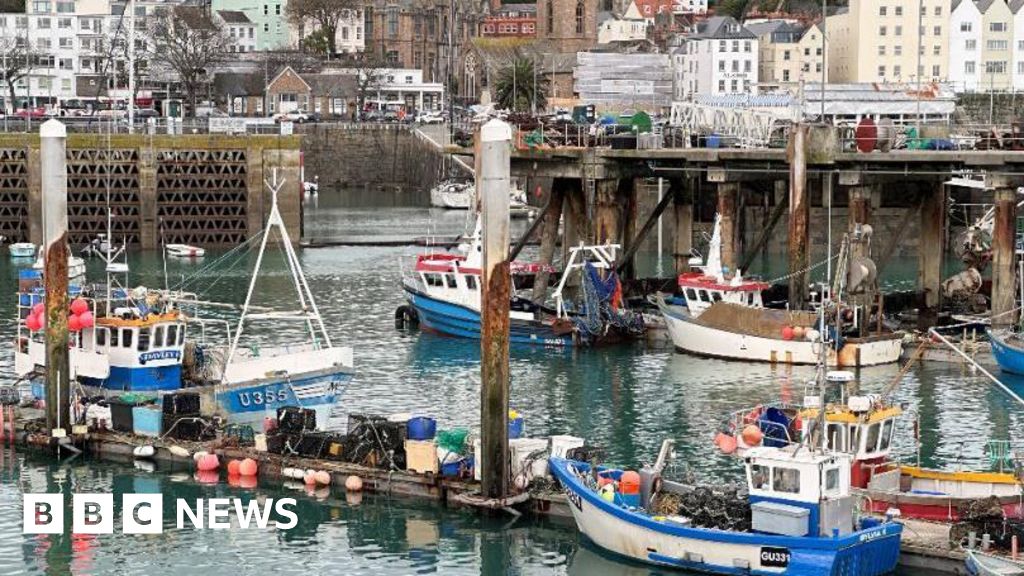
Guernsey inflation continues to slow, figures showImage Credit: BBC Business (Finance)
Key Points
- •ST. PETER PORT, GUERNSEY – Guernsey's annual rate of inflation has continued its significant downward trend, falling to 3.4% in the twelve months to December 2025, according to new data released by the States of Guernsey. This marks a substantial easing from the 4.6% recorded a year prior and a dramatic drop from the 31-year high of 8.5% seen in December 2022, signaling a welcome reprieve for household and business finances across the Bailiwick.
- •Latest Annual Inflation: 3.4% for the 12 months ending December 2025. This is the primary measure of the cost of living change for the average household in Guernsey.
- •Previous Rate: 4.6% for the 12 months ending December 2024, showing a 1.2 percentage point drop over the year.
- •Historic Peak: 8.5% in December 2022, a level not witnessed since 1991, which was driven by global post-pandemic supply chain disruptions and soaring energy costs.
- •The Trend: The data confirms a consistent six-quarter decline, indicating that the primary drivers of the initial price surge have largely dissipated or been absorbed by the economy.
Guernsey Inflation Continues to Slow, Figures Show
ST. PETER PORT, GUERNSEY – Guernsey's annual rate of inflation has continued its significant downward trend, falling to 3.4% in the twelve months to December 2025, according to new data released by the States of Guernsey. This marks a substantial easing from the 4.6% recorded a year prior and a dramatic drop from the 31-year high of 8.5% seen in December 2022, signaling a welcome reprieve for household and business finances across the Bailiwick.
The figures, published quarterly by the government's Data and Analysis service, suggest that the intense cost-of-living pressures that have squeezed the island's economy over the past three years are now moderating. However, with the rate still above the long-term target of 2%, challenges remain for consumers and policymakers alike.
By the Numbers: A Clear Deceleration
The latest Retail Price Index (RPI) data paints a clear picture of disinflation—a slowing in the rate of price increases. While prices are still rising, they are doing so at a much more manageable pace than during the peak inflationary period.
- Latest Annual Inflation: 3.4% for the 12 months ending December 2025. This is the primary measure of the cost of living change for the average household in Guernsey.
- Previous Rate: 4.6% for the 12 months ending December 2024, showing a 1.2 percentage point drop over the year.
- Historic Peak: 8.5% in December 2022, a level not witnessed since 1991, which was driven by global post-pandemic supply chain disruptions and soaring energy costs.
- The Trend: The data confirms a consistent six-quarter decline, indicating that the primary drivers of the initial price surge have largely dissipated or been absorbed by the economy.
The Bigger Picture: From Global Shocks to Local Relief
Guernsey’s journey from a peak of 8.5% inflation reflects a broader global economic narrative. As an island economy heavily reliant on imports, the Bailiwick was particularly exposed to the external shocks that began in 2021.
The initial spike was fueled by a "perfect storm" of factors, including skyrocketing energy and fuel prices following geopolitical instability in Europe, strained global shipping logistics, and robust consumer demand emerging from the pandemic.
The subsequent slowdown to 3.4% can be attributed to the normalization of these factors. Global energy prices have stabilised from their peaks, supply chains have become more resilient, and the series of interest rate hikes by central banks, including the Bank of England—whose rates heavily influence Guernsey's financial conditions—have successfully cooled demand.
What's Driving the Slowdown?
A closer look at the components of the RPI "shopping basket," which tracks around 2,000 goods and services, reveals the key areas contributing to the easing of inflation.
- Housing, Water, and Energy: This group, a significant weight in the RPI, has been a primary driver of the slowdown. A stabilisation in electricity and heating oil costs, coupled with a moderation in the rental market, has provided significant relief. While mortgage costs remain elevated due to higher interest rates, the reduction in energy price volatility has been crucial.
- Transport Costs: Lower prices at the fuel pump compared to the highs of 2022 and 2023 have had a direct impact on this category. The fall in global crude oil prices has filtered through to consumers, reducing costs for both private car owners and businesses reliant on transportation.
- Food and Non-alcoholic Beverages: Inflation in this category has proven "stickier" but is also showing signs of slowing. Global food commodity prices have fallen from their peaks, and intense competition among local supermarkets is helping to temper price rises on grocery bills, though they remain a point of concern for many households.
How Guernsey Compares
Contextualising Guernsey's inflation rate against its neighbours provides a useful benchmark for its economic performance.
At 3.4%, Guernsey's RPI is tracking closely with inflation figures in the UK and Jersey, which have also seen significant declines from their respective peaks. The UK's Consumer Price Index (CPI), for example, has also fallen into the 3-4% range. This alignment underscores the shared, externally-driven nature of the inflationary pressures affecting the region.
However, differences in the composition of RPI (which includes mortgage interest payments) versus CPI, and unique local market dynamics, mean that direct comparisons must be made with caution.
The Bottom Line: Implications for the Bailiwick
The continued fall in inflation carries significant implications for all sectors of Guernsey's economy.
For Households
The slowdown provides much-needed relief to household budgets that have been under severe strain. While the cost of living remains substantially higher than it was three years ago, the slower pace of price increases allows wages to potentially catch up, restoring some lost purchasing power. However, elevated borrowing costs continue to impact those with mortgages or other loans.
For Businesses
A more stable and predictable inflationary environment is a major benefit for businesses. It allows for more accurate financial planning, investment decisions, and pricing strategies. Lower input costs, particularly for fuel and energy, improve margins. However, firms may still face pressure from wage demands as employees seek to recover from the period of high inflation.
For Policymakers
For the States of Guernsey and its Policy & Resources Committee, the 3.4% figure reduces the immediate pressure to roll out further large-scale cost-of-living support measures. The focus can now shift more decisively towards long-term economic strategy, productivity, and growth. Nonetheless, monitoring the "last mile" of getting inflation back to the 2% target will remain a key priority.
What's Next?
Economists will be watching to see if this disinflationary trend continues into 2026. The consensus forecast is for a further gradual decline, though the path back to the widely accepted 2% target may be bumpy.
Potential risks remain on the horizon, including renewed geopolitical tensions that could impact energy markets or unforeseen disruptions to global trade.
The States of Guernsey's data unit will release the next set of inflation figures for the quarter ending March 2026, which will be critical in determining whether the Bailiwick is on a firm path back to price stability or if stubborn inflationary pressures persist.
Source: BBC Business (Finance)
Related Articles
ARRY Stock Sinks Despite Market Gains: What to Know
Array Technologies (ARRY) stock declined 2.5% in the latest session, contrasting with market gains. Find out why the solar stock fell and what it means for inve
India and the EU clinch the 'mother of all deals' in a histo
Jay Vine Wins Tour Down Under 2026 After Kangaroo Crash
Australian cyclist Jay Vine secures the overall victory at the 2026 Tour Down Under despite a dramatic final-stage crash involving a kangaroo.
Trump's New Defense Strategy: Allies Must Fund Own Security
The Trump administration's new National Defense Strategy realigns US policy, demanding allies assume primary responsibility for their own security and defense c