Crisis in the Caribbean: Inside Hegseth and Trump’s High-Stakes Deflection Campaign
A storm is gathering in Washington over a covert military operation gone awry, sparking a political drama centered on accountability. Lawmakers are demanding answers about a controversial U.S. military strike in the Caribbean, but former President Trump and Defense Secretary Pete Hegseth appear to be masters of evasion.
This isn’t just about a single strike; it’s about the shadow of a presidency, the art of the blame game, and the serious consequences of decisions made in the highest echelons of power.
The Caribbean Strike: What Went Wrong?
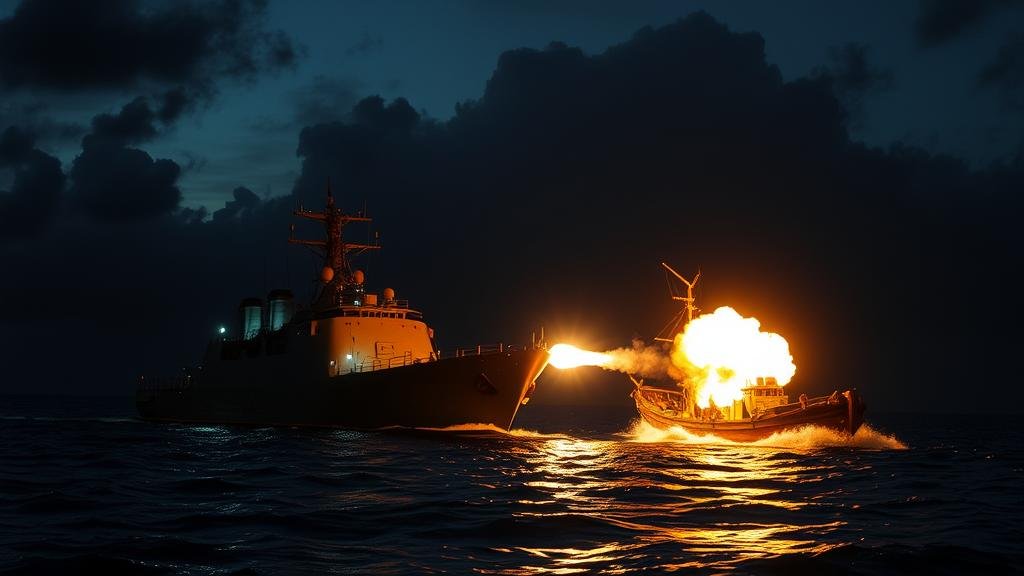
The initial mission was straightforward: a U.S. military strike on a vessel in the Caribbean suspected of trafficking narcotics. The vessel was successfully neutralized.
The controversy, however, ignited with the second strike on the same disabled boat, which reportedly killed survivors of the first attack. This catastrophic “oops” has created a firestorm, prompting a tense briefing on Capitol Hill where a top admiral was forced to publicly defend the operation. The key detail? The original order came directly from Defense Secretary Pete Hegseth, placing responsibility squarely on his shoulders.
Congress Demands Answers
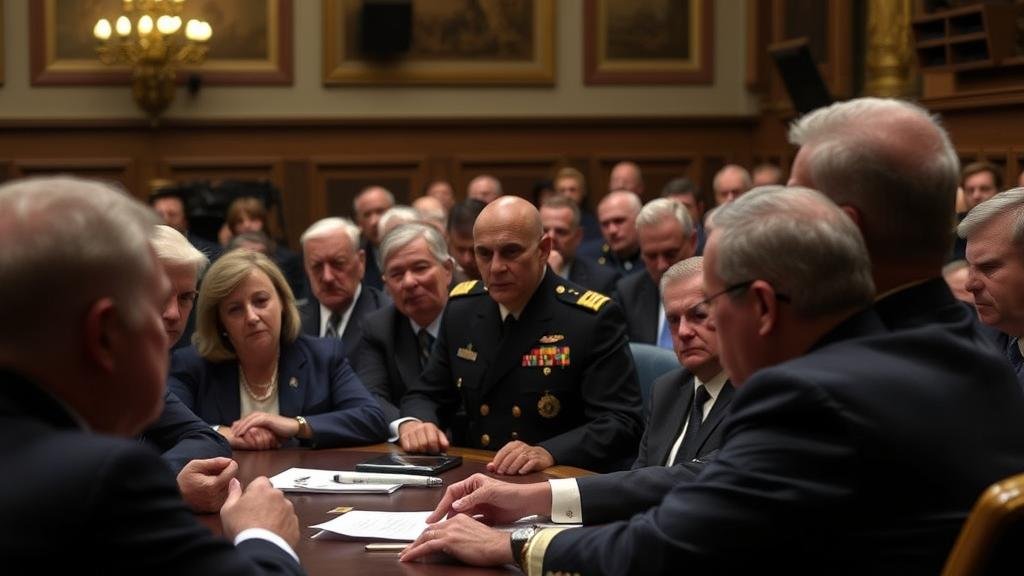
During a tense briefing, military leaders faced a grilling from Congress. The core questions revolved around:
- The Second Strike: Why was a follow-up strike ordered against a disabled vessel? Lawmakers are probing whether this constituted a tragic error or a calculated decision that violated the rules of engagement.
- Legal Boundaries: Did the operation adhere to both the U.S. military’s code of conduct and international law? Killing survivors is a grave breach, and Congress is determined to find out if that line was crossed.
- The Chain of Command: Who authorized the fatal second strike? The investigation is focused on determining if the order came from a commander on the scene or from higher up—perhaps Hegseth’s office itself. This is the central question in the push for accountability.
The Art of Deflection: Trump and Hegseth’s Playbook
As the political heat intensified, both Trump and Hegseth executed a textbook deflection strategy.
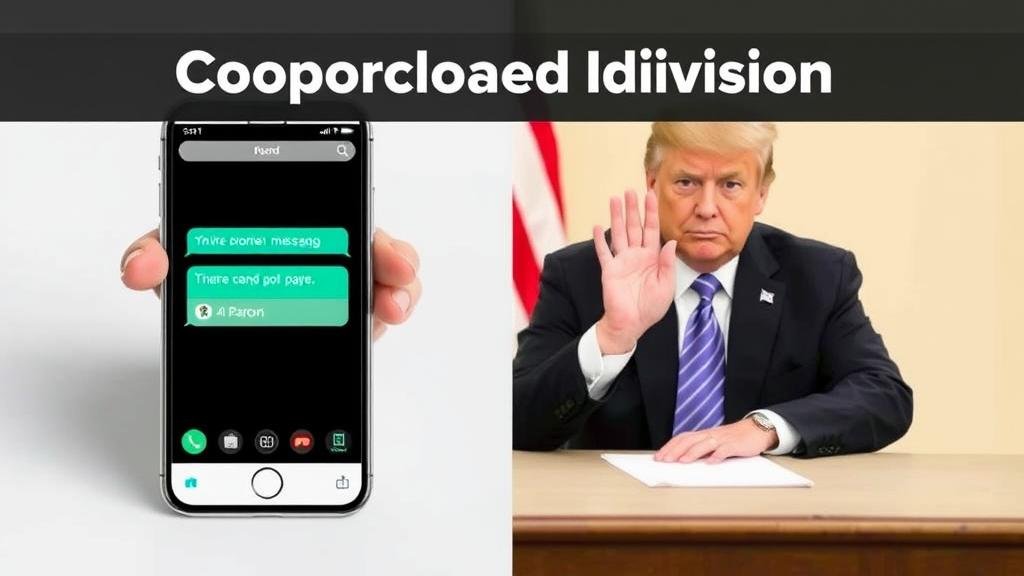
Hegseth is suddenly under fire for using the encrypted messaging app Signal for sensitive military communications, a significant security breach. This “dead cat” strategy serves to distract from the real issue—the lethal Caribbean strike—by throwing a shocking new controversy onto the table.
Simultaneously, former President Trump created his own diversion. Just as the briefing over the boat strike commenced, news broke of his pardon of Juan Orlando Hernández, the disgraced former president of Honduras. This move ignited a separate firestorm over presidential power, effectively changing the media narrative. Together, it’s a coordinated campaign to divert public attention from the original covert military operation.
The True Cost of Evading Accountability
Beyond the political maneuvering, the central issue is accountability. The effort by Trump and Hegseth to sidestep responsibility erodes public trust and sets a dangerous precedent. When leaders can authorize high-stakes operations and then distance themselves from the fallout, it undermines the integrity of the chain of command and leaves service members shouldering the blame.
Furthermore, Hegseth’s use of Signal for military planning is more than a minor error. It creates a shadow command structure that operates outside of official, secure channels, preventing oversight and accountability.
What Lies Ahead?
While the initial briefing has concluded, the fight for answers is far from over. The House and Senate Armed Services Committees are likely to push for a more formal investigation, and the possibility of whistleblowers coming forward remains.
The deflection tactics may be working for now, but the truth has a way of coming to light. The ultimate question is whether this political drama will end with genuine accountability or fade away as just another forgotten news cycle. We will be watching.