Hollywood’s Content Crisis: Is the Future of Cinema Just Sequels and Superheroes?
Let’s break down the state of the Hollywood movie industry. We’re not just talking about the sticky floors and the divine scent of popcorn; we’re talking about a foundational shift that has insiders whispering about the future of cinema. Behind the billion-dollar headlines, there’s a growing fear that the magic is fading, and the number of movies hitting the big screen is plummeting.
The anxiety is real: are we spiraling toward a future where our only choices are repetitive franchise films and superhero rehashes? Original stories are becoming endangered species, and the creativity crisis in Hollywood threatens to make the cinematic landscape barren.
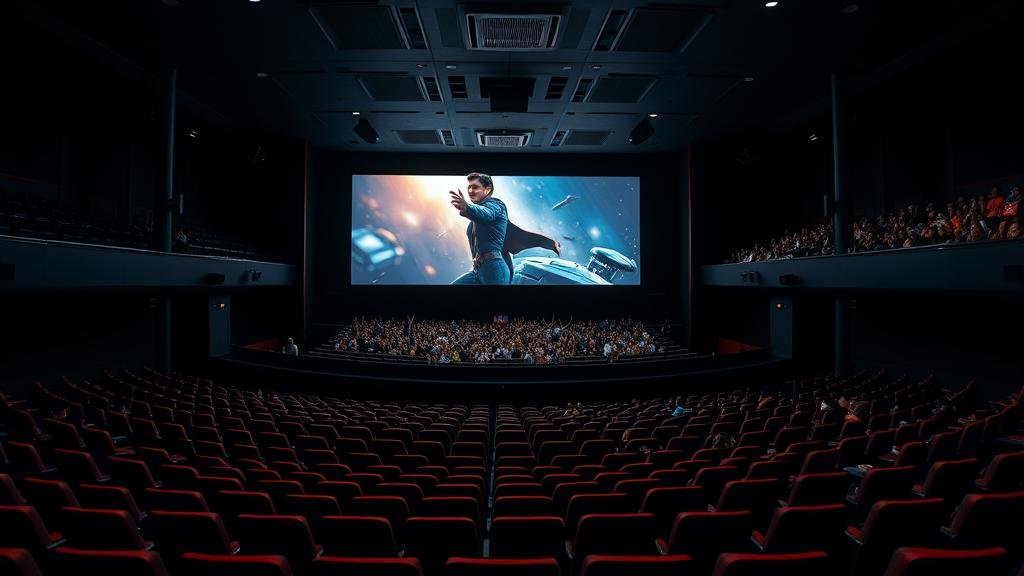
The Great Contraction: Why Your Local Multiplex Feels Barren
So, what’s causing this cinematic drought? It’s largely due to studio consolidation and a corporate shift toward “safer” bets. When a behemoth like Disney acquires a studio, the goal isn’t to expand the variety of theatrical releases; it’s to streamline operations and minimize risk. For movie lovers, this strategy is a direct hit to the heart.
This scarcity creates a domino effect. With fewer films in circulation, theaters face a feast-or-famine reality—packed for a Marvel release, but empty the rest of the year. This pressure forces studios to double-down on sequels and reboots, which is why we’re getting another Beetlejuice decades later instead of a daring new concept. This trend signifies a worrying box office decline for non-blockbuster films.
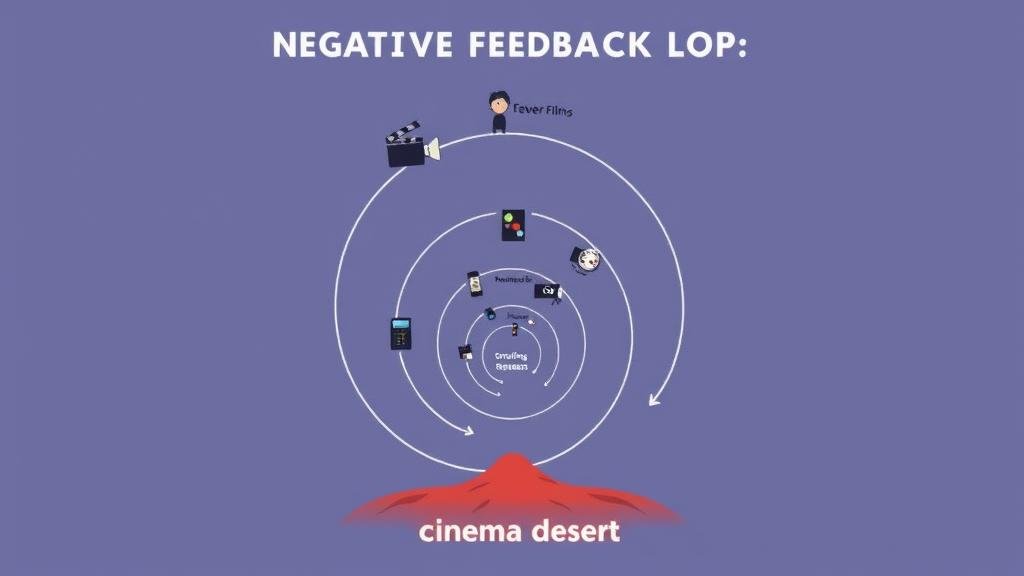
The “Negative Feedback Loop” of Doom
Wall Street has a term for this cycle of cinematic sadness: a “negative feedback loop.” Here’s how it works:
- Fewer Films: Studios reduce the number of theatrical releases.
- Selective Audiences: The public, facing limited options, primarily shows up for massive event movies.
- Revenue Loss: Theaters suffer from lower ticket and concession sales.
- Deteriorating Theaters: With less income, theaters can’t afford renovations, leading to a poorer cinema experience.
- Streaming Takes Over: The degrading theater experience makes watching from home more appealing, further reducing audience numbers.
This vicious cycle could lead to “cinema deserts” in smaller towns, leaving audiences with no access to the big-screen experience and jeopardizing the future of cinema.
The Creativity Crisis: Is Hollywood Stuck on Copy-Paste?
While theaters grapple with finances, creatives are concerned their jobs are becoming as predictable as a rom-com ending. For actors and writers, the shrinking slate means fewer opportunities and a market that prioritizes brand recognition over original ideas. Pitching an original screenplay is an uphill battle when executives can simply point to a billion-dollar franchise and say, “Let’s do that again.”
This is how the Hollywood movie industry ends up with a shallow gene pool of stories. Actors feel the pinch, too. While superhero roles pay well, the decline of mid-budget movies—the dramas and quirky comedies—limits the roles that showcase true artistic range and often lead to major awards. These films, once the backbone of cinema, are now on life support.
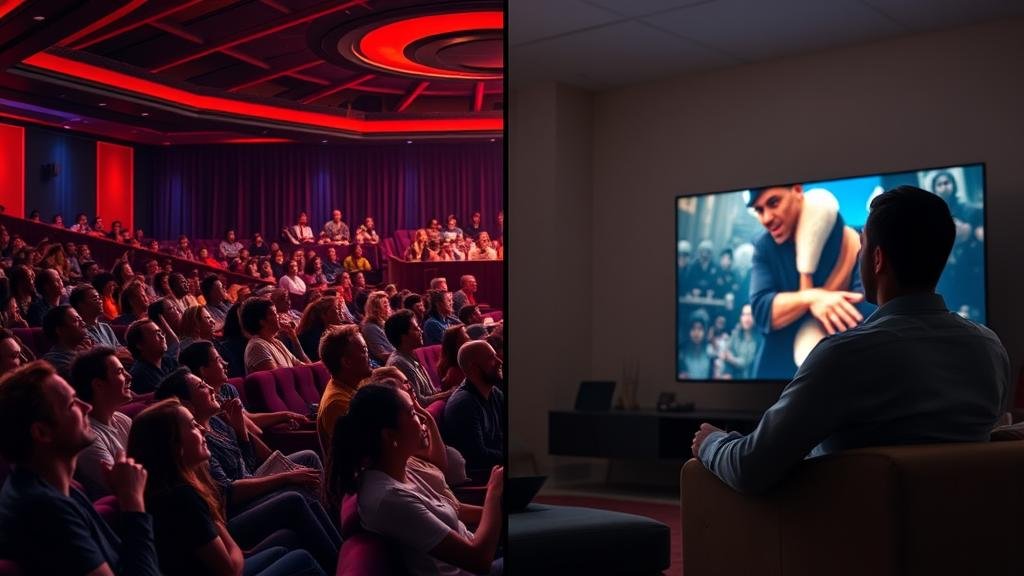
The Streaming Factor: Your Couch as the Ultimate Frenemy
You can’t discuss the future of cinema without mentioning streaming services. Platforms like Netflix and Disney+ are a double-edged sword. They offer a haven for unique projects that traditional studios might ignore, greenlighting niche series and films that find dedicated audiences.
However, the convenience of streaming has decimated the traditional theatrical window and altered audience behavior. Why leave the house when a new movie is available in your living room? This shift creates a dilemma for filmmakers who value the collective experience of a theatrical release—the shared gasps, laughter, and tears of an audience. There’s a palpable fear that something vital is being lost as viewers trade the magic of the big screen for the comfort of their couch.
The Final Cut: A Plea for More Than Just Popcorn Flicks
These warnings from Hollywood insiders aren’t just complaints; they’re a red flag that our shared cultural campfire is dimming. The current path leads to a future with less art, less risk, and less choice for everyone.
What’s the solution? Studios need to reinvest in a balanced slate of films, nurturing both massive blockbusters and smaller, story-driven projects. As for us, the audience, we have a role to play. By taking a chance on an indie film or an original story, we can show Hollywood that our appetites are broader than they assume. The credits haven’t rolled on the film industry yet, but it’s up to all of us to ensure the sequel is better than the original.