Hong Kong’s Silent Protest: Why Record-Low Voter Turnout Speaks Volumes
In a city once defined by its vibrant political engagement, Hong Kong’s latest Legislative Council election was met with a resounding silence. With a voter turnout of just 31.9%, the election signals a significant shift in the public’s relationship with the government, raising critical questions about the administration’s mandate under the new “patriots only” system.
A Mandate in Question: The Numbers Behind the Apathy
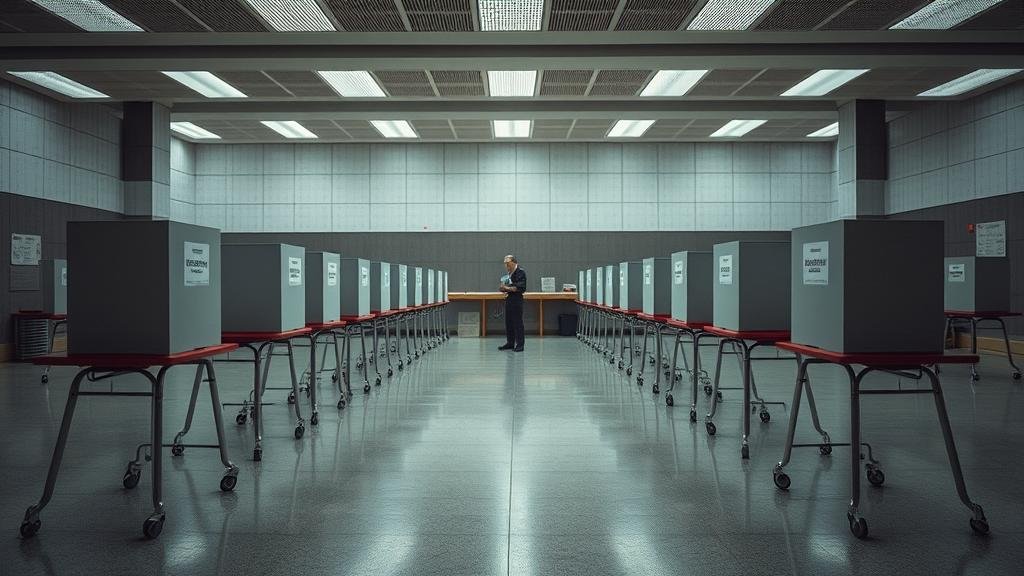
The 31.9% voter turnout, while a marginal increase from the historic low in 2021, stands in stark contrast to the Hong Kong of the past. Previously, legislative elections were major civic events, with turnout consistently exceeding 50% and peaking at an astonishing 71.2% during the 2019 district council elections. This dramatic decline from a sold-out stadium to an empty theater illustrates a deep-seated public disengagement.
Despite the government’s efforts to boost participation—including offering free public transport on election day—the polling stations remained largely deserted. This wasn’t due to a lack of awareness; rather, it was a deliberate collective decision by nearly 70% of the electorate to abstain. This widespread voter apathy serves as a powerful, silent protest against the current political landscape.
Understanding the “Patriots Only” Electoral Reform
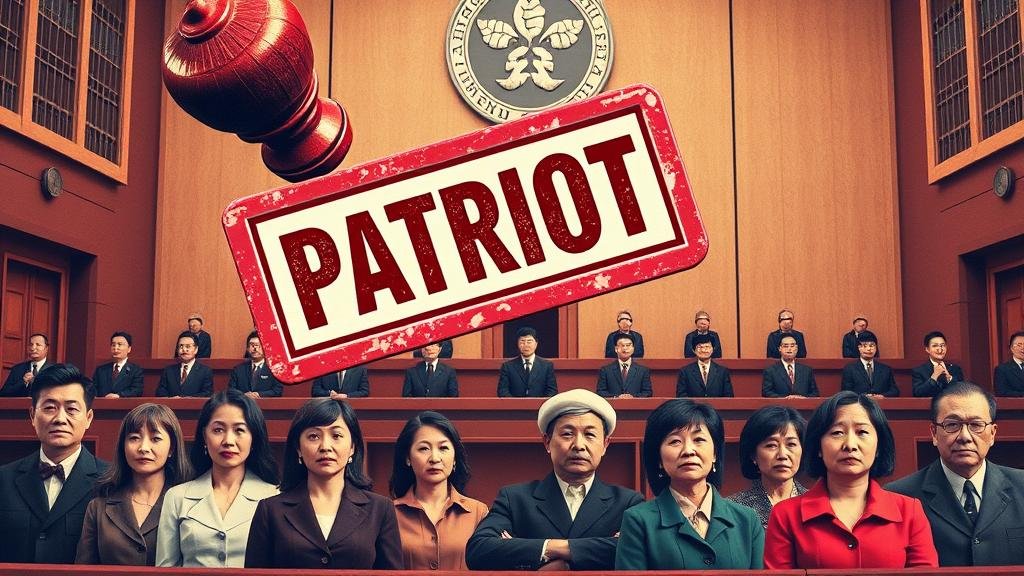
To comprehend the low turnout, one must understand the seismic shifts in Hong Kong’s electoral system. Following the 2019 pro-democracy protests, Beijing implemented sweeping changes to ensure “stability” and that only “patriots” could govern.
This electoral reform introduced several key changes:
- A Powerful Vetting Committee: A pro-Beijing committee now vets all candidates for patriotism, effectively screening out any traditional pro-democracy figures.
- Reduced Direct Representation: The number of directly elected seats was drastically cut from 35 to 20 in the 90-seat legislature.
- Domination by Pro-Establishment Interests: The majority of seats are now selected by a pro-Beijing Election Committee and various special interest groups, ensuring an entirely pro-establishment legislature.
Critics argue this system has removed genuine choice from the equation, transforming the Legislative Council into a rubber stamp for Beijing’s policies. While proponents claim it enhances governance efficiency, the lack of public participation suggests a crisis of legitimacy.
Silent Protest: Why Voters Stayed Home
In an environment where dissent is increasingly risky due to the expansive National Security Law, abstaining from voting has become a key form of peaceful resistance. For many Hong Kongers, the election was not a legitimate democratic process.
The reasons for this silent protest are clear:
- Lack of Genuine Choice: With all candidates pre-approved as “patriots,” the election offered no meaningful alternatives for voters accustomed to a competitive political scene. Major pro-democracy parties have been dismantled, their leaders jailed, exiled, or forced into retirement.
- The Chilling Effect of the National Security Law: The law has effectively silenced civil society, leading to the closure of independent media outlets, trade unions, and advocacy groups that once formed the bedrock of the city’s political discourse.
- Perceived Lack of Legitimacy: Many citizens viewed participation as an act of validating a system they fundamentally oppose. By staying home, they refused to lend credibility to what they see as a hollowed-out version of democracy.
In response to the abysmal turnout, Chief Executive John Lee deflected, emphasizing the supposed “quality” of the candidates over the quantity of votes. However, governing without a popular mandate is a precarious strategy for a city that relies on its reputation as a stable and transparent international financial hub.

A City at a Crossroads
The 31.9% voter turnout is more than a statistic; it’s a clear message of rejection from the people of Hong Kong. The government may have a legislature of “patriots,” but it lacks the one thing essential for long-term stability: public buy-in.
The administration is betting that by focusing on economic performance, it can persuade residents to forget their diminished political rights. Whether this gamble pays off or the silent protest of empty polling stations foreshadows deeper-seated discontent remains to be seen. The world is watching.