The IKEA Elephant in the Room: How Invisible Trade Barriers Are Stifling European Business
Let’s be real, assembling an IKEA MALM dresser is a recognized life milestone, somewhere between getting your driver’s license and learning how to file your own taxes. But have you ever stopped to think about the journey that flat-pack box took before it landed in your car? It’s a wilder ride than you think, navigating the challenges of the EU single market.
There’s a legendary tale, possibly whispered around Swedish meatballs in the IKEA cafeteria, about a shipment of plush toy elephants. These adorable, fluffy pachyderms, all perfectly safe by EU-wide standards, got stopped cold at an internal European border. The crime? A single country’s regulator decided their fire-retardant test wasn’t quite right. The elephants weren’t dangerous. They were just… bureaucratically inconvenient, a perfect example of trade friction.
I know, invisible trade barriers aren’t exactly Netflix material, but stick with me. These little bits of friction are the bureaucratic equivalent of stepping on a Lego, and they’re costing European business—especially Small and Medium-sized Enterprises (SMEs)—big time.

Beyond Tariffs: What Are These Annoying Little Rules?
When you hear “trade barrier,” you probably picture a big, fat tax slapped on goods at the border, right? A tariff. The EU single market heroically slew that dragon years ago. Bravo.
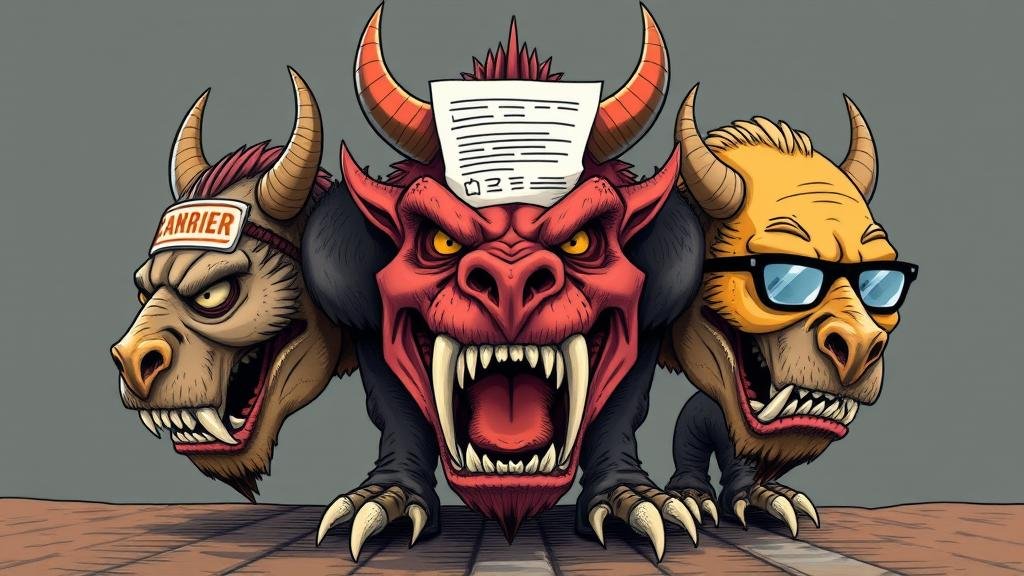
But now we face the Hydra: non-tariff barriers (NTBs). These aren’t a simple tollbooth; they’re a surprise road closure that leads to a thousand-page detour manual written in Klingon. They’re the subtle, soul-crushing rules that make supposedly “frictionless trade” feel… well, full of friction.
Now, before your eyes glaze over like a Krispy Kreme, let’s break down this mess.
- The “You’re Holding It Wrong” Barrier (aka Technical Barriers): This was our poor elephant’s problem. It’s when every country has its own special little opinion on product safety, labeling, or packaging. Imagine designing beautiful packaging for your artisanal jam, only to find you need a completely different label for Spain because of a minor packaging regulation. Sigh.
- The Great Cheese Standoff (aka Sanitary Measures): These rules are supposed to protect us from, you know, plagues and killer tomatoes. Super important. But they get weird when a French cheese, celebrated as a national treasure at home, is treated like a public health risk in another EU country, requiring weeks of extra tests and causing costly delays. You feel me? It’s cheese, not a biological weapon.
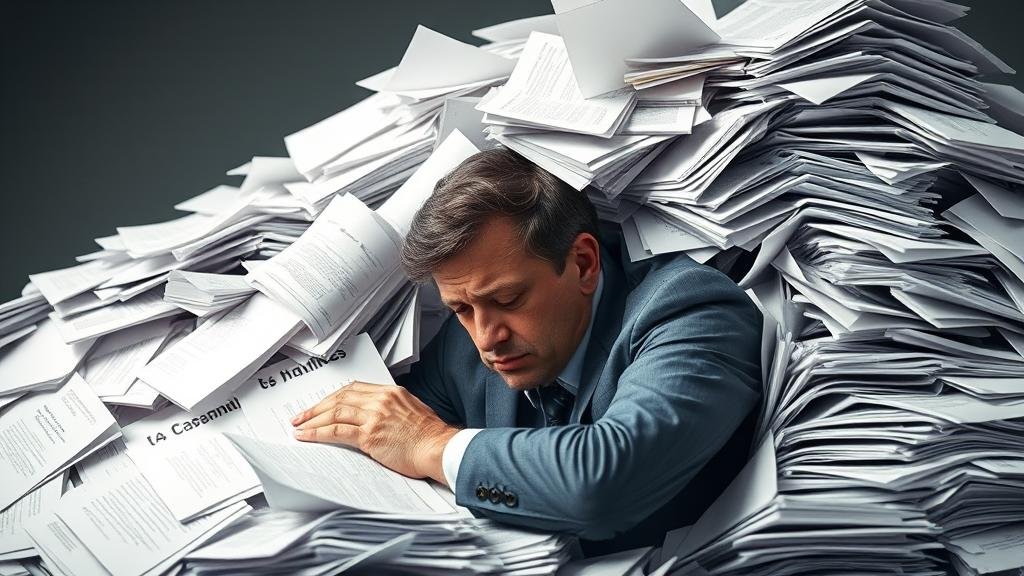
- The Papercut Labyrinth (aka Administrative Hurdles): Ah, classic bureaucracy. The forms. The stamps. The official who only works on Tuesdays between 9:00 and 9:15 AM. A 2020 report confirmed that businesses find “burdensome administrative procedures” to be a top-tier headache. Shocking, I know.
- The “My Rules Are Better” Complex (aka Regulatory Divergence): As new tech pops up—AI, green gizmos, digital services—countries rush to make their own rules. A brilliant Estonian software company might find its service is basically illegal in another member state due to slightly different data laws, creating hurdles in the digital single market. It’s like trying to play a Sega Genesis cartridge in a Super Nintendo.
Real-World Headaches That Make You Want to Scream
The IKEA story is just the appetizer. These tiny roadblocks cause massive migraines, especially for the SMEs that make up 99% of the EU economy.
Picture Hans, a brilliant German engineer who makes a very specific, very important valve. He’s checked all the EU boxes. But when he tries to sell it in Poland, surprise! He needs a special certificate from a Polish-only agency. The process takes three months and costs more than his last family vacation. For a huge company, it’s an eye-roll. For Hans, it means the deal is dead.
And it’s not just money. It’s:
- Delayed shipments, which lead to angry customer emails that ruin your morning coffee.
- Giving up entirely, because who has the time to become an expert in 27 different sets of obscure regulations?
- Wasting cash on compliance that could have gone into, oh, I don’t know, inventing the next big thing.
Still reading? Wow. You’re officially my favorite. And yes, this even happens to service providers! An architect from Lisbon might have to do the bureaucratic equivalent of the 12 Labors of Hercules just to get their qualifications recognized in Belgium.
So, Why Are We Still Doing This to Ourselves?
Hot take coming in 3…2…1… These barriers stick around for a few reasons, ranging from “okay, I get it” to “are you kidding me?”
- 1. The Overprotective Parent: Governments genuinely want to protect their citizens and the environment. They argue their special rule on chemical content is extra safe. The problem is telling the difference between a real safety need and just being difficult.
- 2. The “It’s Not a Bug, It’s a Feature” Excuse: Sometimes, a weird rule is just a sneaky way to give local companies a home-field advantage. It’s technically illegal under EU law, but proving it is harder than explaining cryptocurrency to my dad.
- 3. The Ultimate Procrastination: The EU has harmonized a gazillion rules, but the work is never done. New stuff gets invented, and it takes forever for EU-wide laws to catch up. In the meantime, countries make up their own rules, and… voilà, chaos.

Tearing Down the Paper Wall (With a Little Help)
Okay, okay, it’s not all doom and gloom. The EU knows this is a problem and has a secret weapon for businesses facing this kind of trade friction.
It’s called SOLVIT. Think of it as the Avengers, but for paperwork disputes. If you think your goods are being unfairly blocked by a public authority, SOLVIT swoops in to investigate and mediate—for free. And they’re good. They solve nearly 90% of their cases. It’s the most satisfying “I told you so” a business can get.
So here’s your homework (you knew it was coming):
- Do Your Research: Before you try to sell in a new EU market, check the “Access2Markets” portal. It’s like a cheat sheet for avoiding trouble.
- Speak Up: If you hit a wall, don’t just grumble into your espresso. Report it to your trade association or directly to the European Commission.
- Unleash SOLVIT: Seriously. Got a legitimate problem? Let the paperwork superheroes handle it.
A Market That’s Actually… Single?
The single market is Europe’s economic superstar. But it’s being held back by a thousand tiny papercuts. From IKEA elephants to Hans’s valves, the goal is simple: let people trade without wanting to tear their hair out.
Building a truly seamless EU single market means waging a relentless war on bureaucracy and non-tariff barriers. The prize—a richer, more innovative Europe—is totally worth it. Now, if you’ll excuse me, I have a flat-pack bookcase calling my name. And no, the instructions probably won’t have an appendix on NTBs.