Improper Prosecutor Appointment Leads to Dismissal of High-Profile Cases
A federal judge has dismissed criminal cases against former FBI Director James Comey and New York Attorney General Letitia James, citing a critical flaw in the prosecution: the improper appointment of the prosecutor. This decision highlights the importance of the Federal Vacancies Reform Act (FVRA) and the constitutional process for appointing federal prosecutors.
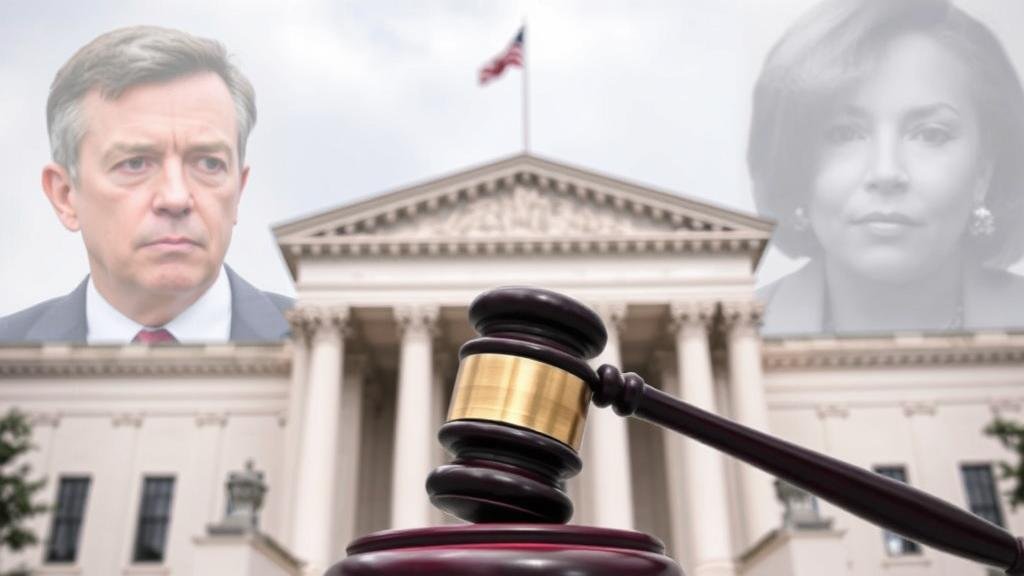
A Flaw in the Foundation: The Improper Appointment
The controversy centers on the appointment of Alina Habba as interim U.S. Attorney. The U.S. Constitution mandates that U.S. Attorneys be nominated by the President and confirmed by the Senate, a key component of the separation of powers. While the FVRA allows for temporary appointments, it sets strict limits to prevent the executive branch from bypassing Senate confirmation.
In this instance, a federal judge found that Habba’s appointment violated the FVRA, rendering her authority as a prosecutor illegitimate. The court’s ruling was not a judgment on the merits of the cases against Comey and James, but a direct consequence of the prosecutor’s improper appointment.
Politically Charged Cases Meet a Procedural Wall
The cases in question were politically charged. The case against James Comey, a frequent target of Donald Trump, was seen by many as politically motivated. Similarly, the case against Letitia James, who led a successful fraud investigation into the Trump Organization, was viewed as retaliatory. The court’s decision to dismiss these cases underscores a fundamental legal principle: a prosecution is invalid if the prosecutor lacks the legal authority to bring it.
Affirming the Rule of Law
This ruling serves as a powerful affirmation of the rule of law and the judiciary’s role in checking executive overreach. By focusing on the legality of the appointment process, the court reinforced that the procedures for appointing powerful officials are not mere formalities, but essential safeguards of the justice system.
The dismissal of these cases has significant implications. It represents a setback for those who viewed the prosecutions as a form of political retribution. More broadly, it sends a clear message to the executive branch that the rules governing federal appointments must be followed. This decision is likely to lead to increased scrutiny of future nominations and a renewed emphasis on the Senate’s confirmation role.

A Victory for the Integrity of the Justice System
Ultimately, this ruling is a victory for the integrity of the justice system. It demonstrates that our system of checks and balances can function as intended, ensuring that no one is above the law, including those in power. The court’s decision in this matter is a testament to the importance of an independent judiciary and a non-political Department of Justice.