IndiGo Crisis: DGCA Backtracks on Pilot Rest Rules Amidst Flight Chaos
In a move that has the Indian aviation sector buzzing, the Directorate General of Civil Aviation (DGCA) has unexpectedly suspended its new, stricter pilot rest rules. This sudden reversal follows massive flight disruptions from IndiGo, the nation’s largest airline, which saw a wave of ‘sick’ pilots grounding hundreds of flights. The widespread ‘unwellness’ is seen as a coordinated pilot protest against the new regulations. This entire IndiGo crisis has thrown a spotlight on the critical issue of pilot fatigue – a topic we’re diving deep into.
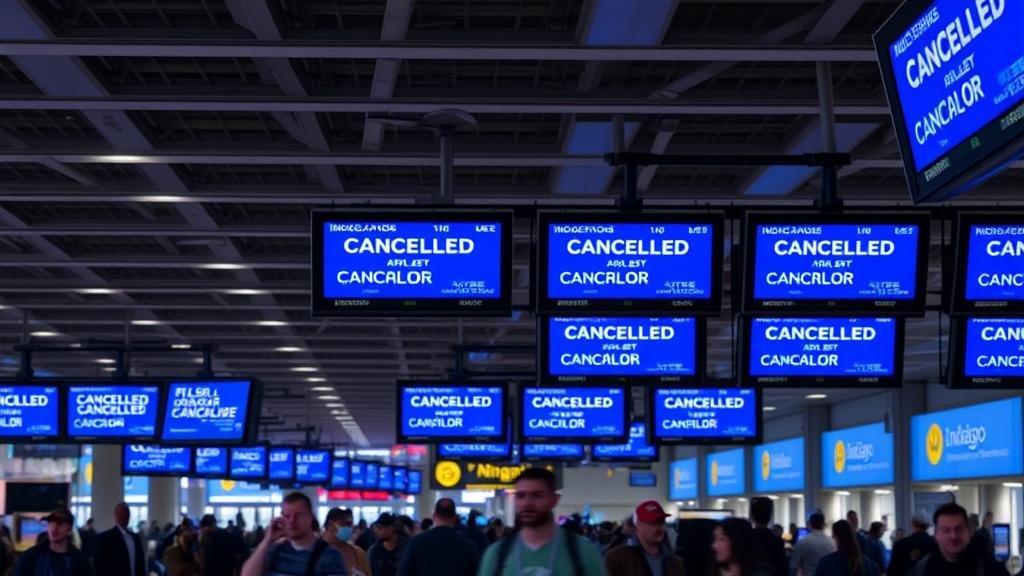
The Perfect Storm: A Crisis Unfolds
Imagine this: your bags are packed, you’ve double-checked your passport, and you’re mentally already on a beach. Then, the dreaded email arrives: your flight is canceled. This became a reality for thousands of IndiGo passengers as a large number of pilots reported sick. This mass ‘sick out’ is widely believed to be a coordinated pilot protest, and you have to admit, it’s a bold move. The result? A cascade of IndiGo flights canceled, throwing travel plans and passenger patience into chaos, particularly during peak season. A masterstroke in making a statement about the new pilot duty norms.
What Triggered the Pilot Protest?
So, what’s all the fuss about? The pilots’ main grievance was with the new Flight Duty Time Limitations (FDTL) regulations. ‘Flight Duty Time Limitations’ might sound like a snoozefest, but for pilots, it’s a make-or-break issue. The new FDTL rules were intended to increase rest, but pilots claimed they didn’t go far enough.
Here’s the view from 30,000 feet:
- Not Enough Rest: Pilots argued the new rest periods were insufficient, especially when dealing with jet lag. Think a power nap after a marathon – not quite enough.
- Consecutive Night Flights: The new DGCA roster rules still permitted consecutive night duties. If a toddler gets grumpy without enough sleep, imagine a pilot flying a plane after multiple all-nighters.
- Feeling Ignored: Pilots felt their feedback was heard but not acted upon by either the airline or the regulators. It was the classic ‘thanks for your input, but no thanks’. This pilot protest was their way of finally being heard.
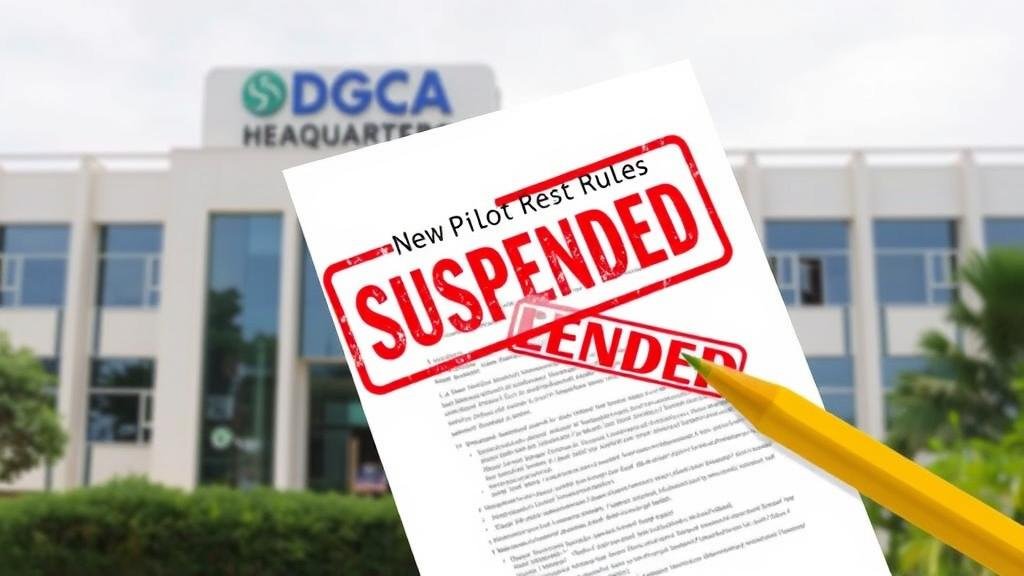
Government Intervenes: A High-Level Probe and a Rollback
With airports in turmoil and the IndiGo crisis escalating, the government stepped in. The Ministry of Civil Aviation launched a probe into the massive flight disruptions. Assurances were made that flight schedules would be restored, but many remained skeptical.
Then came the bombshell: the DGCA eases pilot duty rules by suspending the very regulations that caused the uproar. The official justification was to prevent further travel chaos. This move, however, has led to a major debate: is passenger convenience being prioritized over aviation safety?

The Suspended Rules: A Closer Look
Let’s break down what these suspended rules were all about. On the surface, they seemed like a step in the right direction to combat pilot fatigue.
- Increased Weekly Rest: Pilots were set to receive an increase in weekly rest from 36 to 48 hours.
- Limited Night Flights: The new pilot duty norms aimed to reduce the number of consecutive night flights.
- Tighter Duty Limits: The rules also placed stricter limits on total duty time, acknowledging the difference between flying during the day versus at night.
While these changes looked good on paper, pilots felt they were a superficial fix to a systemic problem. They called for a more scientific approach to managing pilot fatigue, not just rules that looked good in a press release.
The Bigger Picture: A Looming Crisis in Indian Aviation?
The IndiGo fiasco is more than just a single airline’s problem; it’s a flashing red light for the entire Indian aviation industry. The sector’s rapid growth has outpaced the supply of experienced pilots, putting immense pressure on airlines to maximize their crew’s flying hours. In a competitive market, this can lead to rostering practices that, while technically legal, push pilots to their limits.
This IndiGo crisis highlights some harsh realities of Indian aviation:
- Pilot Shortage: India is facing a critical shortage of pilots.
- Aggressive Rostering: Airlines are often accused of creating schedules that lead to pilot fatigue.
- Safety vs. Profit: The incident raises serious questions about whether pilot welfare and safety are taking a backseat to profits in the booming Indian aviation market.
What’s Next for IndiGo and the Indian Aviation Sector?
The suspension of the new FDTL rules is a temporary solution. The DGCA has committed to further discussions with all stakeholders. The coming months will be crucial for the future of Indian aviation. Can the DGCA, airlines, and pilots agree on a set of rules that prioritize both safety and operational efficiency? How will IndiGo rebuild trust with its pilots? And will the industry finally address the systemic issues that contribute to pilot fatigue?
This whole episode is a major wake-up call. Because when it comes to air travel, a well-rested pilot is the most important safety feature on any aircraft. Their well-being is not a luxury; it’s a necessity for everyone’s safety. And that’s a fact.