IndiGo Flight Cancellations: A Complete Breakdown of the Chaos
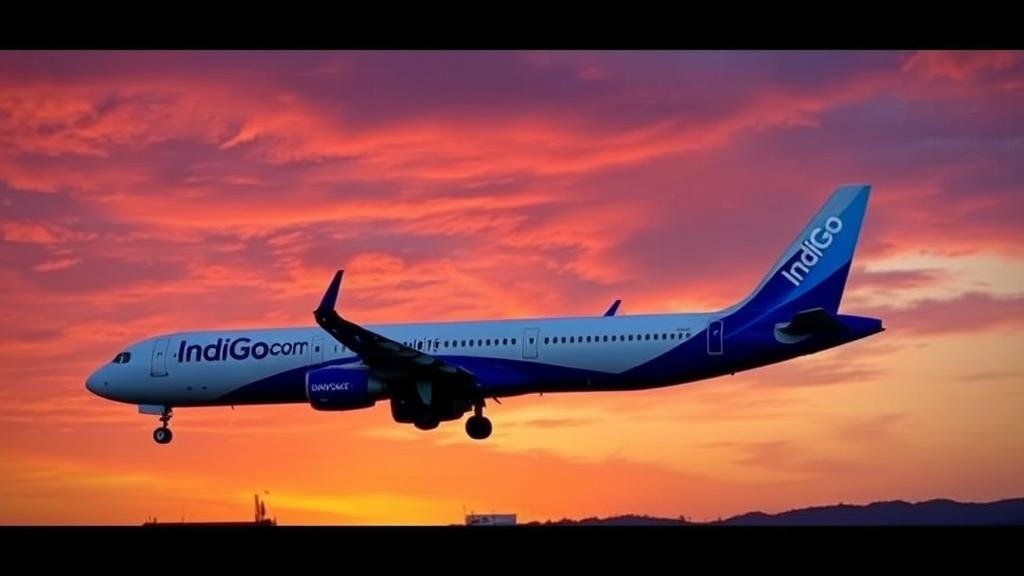
A cancelled flight is one of life’s great frustrations. For thousands of IndiGo passengers, that frustration recently escalated into a full-blown travel nightmare. India’s largest airline, typically known for its punctuality, experienced a sudden and massive wave of IndiGo flight cancellations, leaving a trail of furious customers and attracting the attention of the DGCA.
What went wrong? Let’s break down the turbulence.
The Perfect Storm: What Caused the Widespread Cancellations?
The operational meltdown wasn’t a single event but a perfect storm of new regulations, existing problems, and a bit of bad luck.
The Main Culprit: New FDTL Rules
The primary trigger was the Directorate General of Civil Aviation (DGCA) rolling out stricter Flight Duty Time Limitation (FDTL) rules. These new regulations were designed to prevent pilot fatigue by increasing mandatory rest periods. A noble cause, but IndiGo’s scheduling system, built for lean efficiency, couldn’t handle the change. The new FDTL rules led to a sudden pilot shortage, causing their rosters to implode.
A System Under Strain
The new rules exposed pre-existing cracks. For an airline controlling over 60% of the domestic market, the lack of reserve pilots was a critical flaw. Add in winter fog in northern India, and the situation worsened. Weather delays, combined with the new FDTL rules, meant crews maxed out their duty hours, leading to a domino effect of flight delays and cancellations that crippled the network.
Passenger Fury: The Human Cost of an Airline’s Failure
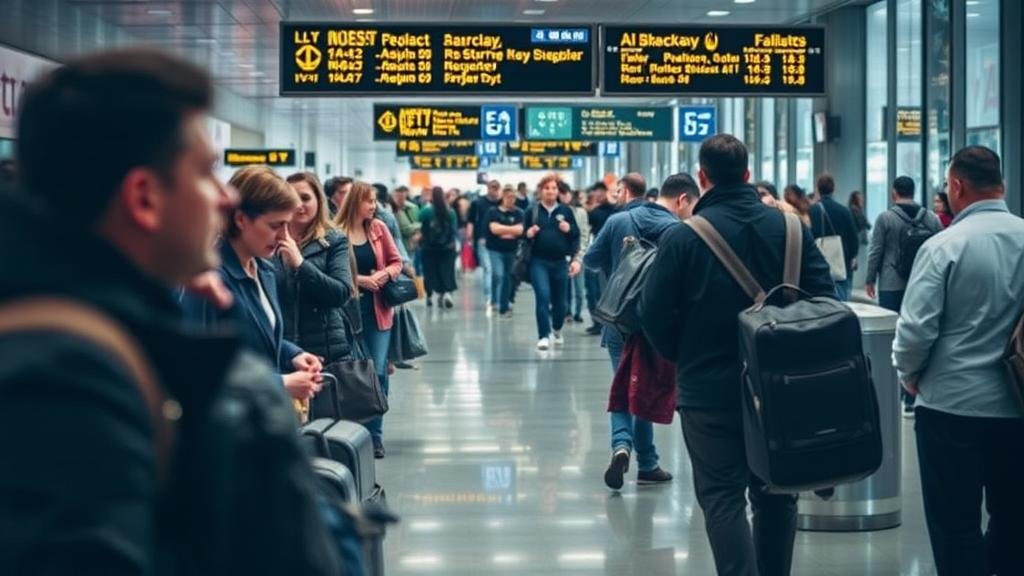
The operational chaos quickly turned into a passenger relations disaster. Airports became scenes of frustration, with travelers facing immense difficulties.
Social media erupted with videos of overflowing customer service lines, heated arguments, and people sleeping on their luggage. The biggest grievance was the lack of communication. Passengers reported receiving cancellation notices just hours before their flights or finding out only upon reaching the airport. The silence from the airline amplified the anger, severely damaging years of brand loyalty.
The Regulator’s Wrath: The DGCA Steps In
The widespread passenger outrage prompted the Indian government and the DGCA to intervene. The Civil Aviation Minister promised to take a firm stance, and the DGCA issued a “show-cause notice” to IndiGo, demanding an explanation.
The investigation focused on:
- Compliance with the new FDTL norms.
- Adherence to passenger rights concerning refunds and assistance for stranded travelers.
- The airline’s overall lack of preparedness for the pre-announced rule change.
The message was clear: passenger welfare is a legal requirement.
IndiGo’s Response and the Turbulent Road Ahead
Following the regulatory action, IndiGo issued a public apology and created a “Crisis Management Group” to handle the fallout. They have since reduced their schedule to ensure reliability.
While their on-time performance is reportedly improving, rebuilding passenger trust will be a long and arduous process.
What This Means For You: Your Unofficial Survival Guide
If you find yourself caught in a similar travel vortex, here’s what you should do:
- Know Your Rights: Familiarize yourself with the DGCA’s passenger charter. It outlines your rights to refunds, accommodation, and meals in case of flight delays or cancellations.
- Be Proactive: Always check your flight status on the airline’s app or website before heading to the airport.
- Keep Records: Document everything—cancellation notifications, booking confirmations, and any expenses incurred. This will be crucial for any claims.
The IndiGo meltdown serves as a critical lesson for the aviation industry on the importance of balancing efficiency with safety and customer satisfaction.