“`html
The Investor’s Guide to the Weight-Loss Drug Boom: Ozempic, Eli Lilly, and the Stocks Shaking Up Wall Street
Let’s dive into the stock market phenomenon that’s creating more buzz than a celebrity scandal and has everyone from Wall Street to Main Street talking: weight-loss drugs. If your New Year’s resolutions are a distant memory, you’re not alone. But a few innovative pharma stocks have bottled up a potential solution, causing their valuations to skyrocket by nearly 40% this year.
The drugs at the heart of this frenzy are now household names: Ozempic, Wegovy, Mounjaro, and Zepbound. These aren’t just medical breakthroughs; they’re a financial earthquake. So, how do these best weight loss drugs work, what’s fueling the demand, and what does it mean for investors? Let’s get into it.
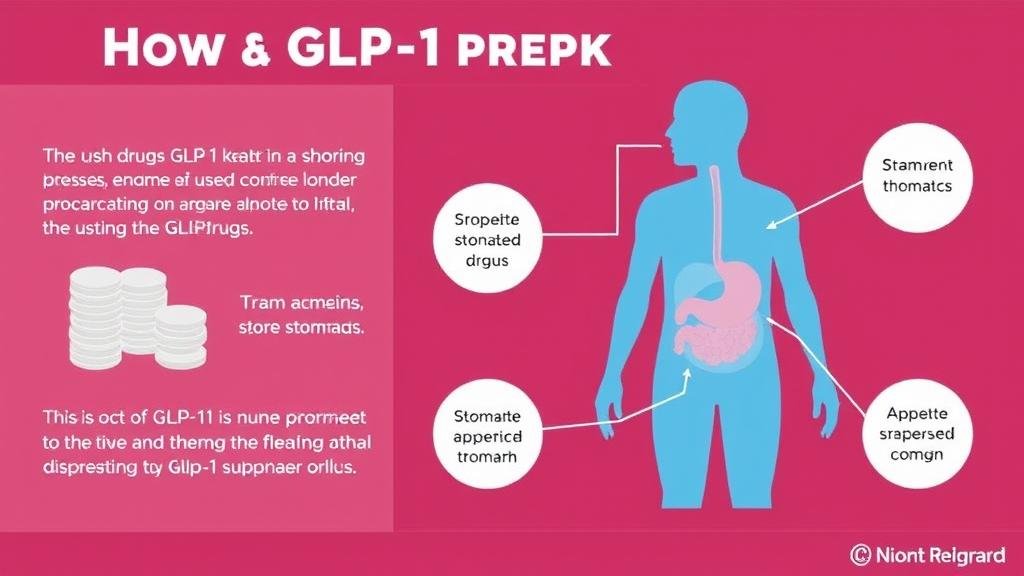
The Science Behind the Stock Surge: What are GLP-1 Drugs?
What’s the secret sauce in these so-called miracle drugs? They belong to a class of medications called GLP-1 receptor agonists. In simple terms, they mimic a hormone that tells your brain you’re full, slowing down digestion and keeping you satiated for longer. It’s a game-changer for obesity treatment.
For diabetes patients, GLP-1s are a home run for managing blood sugar. But the powerful appetite suppression was the side effect that stole the show. Users are reporting weight loss of 15% to 20% of their body weight—a level of success previously only seen with bariatric surgery. This unprecedented effectiveness is the jet fuel propelling these pharmaceutical stocks.

From Prescription Pads to Market Caps: The Soaring Stocks of Novo Nordisk and Eli Lilly
The financial impact has been nothing short of explosive. The two industry giants leading the charge, Denmark’s Novo Nordisk and America’s Eli Lilly, have seen their stocks soar.
- Novo Nordisk: Thanks to Ozempic and Wegovy, the Novo Nordisk stock has made the company the most valuable in Europe. Its market cap has surpassed the GDP of its home country, Denmark.
- Eli Lilly: With Zepbound now approved for weight loss, the Eli Lilly stock is in a head-to-head battle with Novo. This duopoly is dominating a market that some analysts predict could reach $100 billion by 2030, making it a hot topic for anyone interested in investing in weight loss drugs.
This isn’t just a fleeting trend; it’s a signal that these companies have become high-octane growth engines in the weight management sector.
What’s Fueling the Insatiable Demand?
Why is everyone suddenly asking their doctor for these drugs? Several factors have created a perfect storm for weight loss companies.
1. They Deliver Real Results
This is the number one driver. For millions struggling with obesity, a medication that provides significant, lasting results is a life-changing prospect.
2. The Social Media Megaphone
The buzz for these drugs was amplified on platforms like TikTok, where hashtags for Ozempic have billions of views. This viral loop has turned casual interest into a stampede.
3. A Massive and Growing Market
The World Health Organization reports that over a billion people globally live with obesity. As the medical community increasingly treats obesity as a chronic disease, the demand for effective treatments will only grow.
4. Shifting Perceptions and Insurance Coverage
The success of these drugs is helping to destigmatize medication for weight management. While insurance coverage is still evolving, every new insurer that adds these drugs to their formulary expands the potential market.
Challenges on the Horizon: A Reality Check for Investors
Before you go all-in on these stocks, it’s important to consider the risks.
- Supply Chain Headaches: Novo Nordisk and Eli Lilly are struggling to keep up with demand. Ramping up production is a slow and costly process.
- The Prohibitive Price Tag: Without good insurance, these drugs can cost over $1,000 a month, making affordability a major hurdle.
- The Competition is Coming: The current duopoly won’t last forever. Major players like Pfizer and smaller biotech firms are racing to develop their own obesity treatment solutions.
- Long-Term Health Questions: Since these are relatively new for weight loss, we don’t have decades of data. The current understanding is that they may need to be taken for life to maintain results.
What This Means for You, the Investor
The growth potential here is undeniable, but the current stock prices already reflect high expectations. A diversified approach is a smarter strategy than betting everything on the current leaders. Consider looking at:
- Other pharmaceutical companies entering the space.
- Biotech firms working on next-generation obesity treatments.
- Companies in the supply chain that support the production and distribution of these drugs.
Final Thoughts
The story of GLP-1 drugs is a rare convergence of science, culture, and finance. The soaring stock prices reflect a market betting billions on a solution to one of the world’s most significant health challenges. As an investor, the key is to watch supply, cost, and competition. For society, it marks a fascinating turning point in the intersection of medicine and money.
“`