Kevin Hassett: The New Bachelor for Fed Chair? What it Means for Your Wallet
In what feels like the world’s most high-stakes episode of The Bachelor, the President just dropped a bombshell, naming a potential new suitor for the Federal Reserve chair position: Kevin Hassett. The current chair, Jerome Powell, must be feeling the heat.
Let’s be real, reading about monetary policy is usually as thrilling as watching paint dry. But when the White House starts dropping names like this, it’s a full-blown season finale cliffhanger for the economy. So grab your popcorn (or your anxiety meds), because we’re breaking down what a Fed led by Kevin Hassett could mean for, well, everything.
Who is This Kevin Hassett Guy?
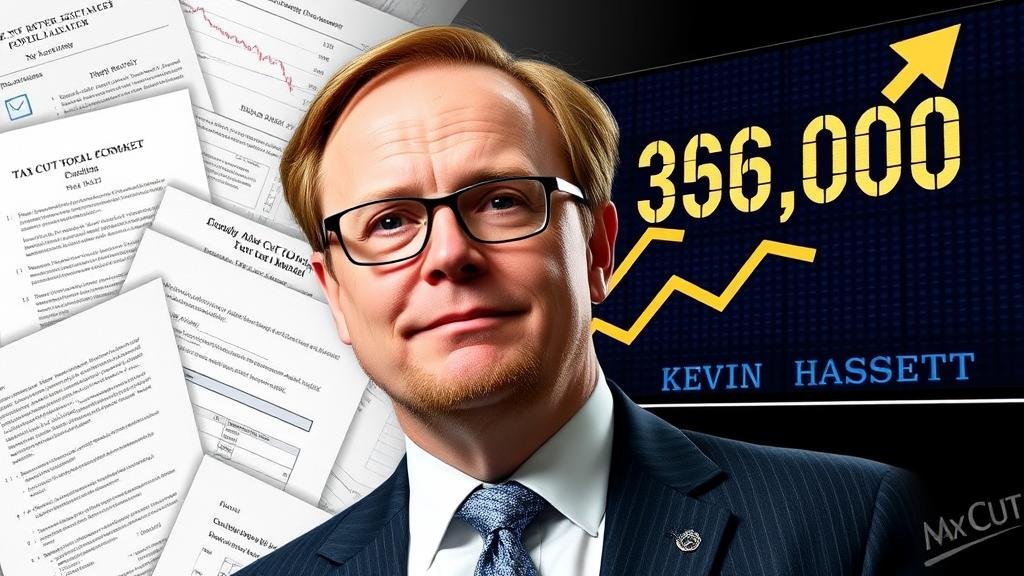
So, who’s the man who might be getting the final rose? Don’t worry, I won’t bore you with his entire LinkedIn profile. Kevin Hassett is a major player in conservative economics. He was the top economic advisor during the Trump administration and a key architect of the 2017 tax cuts. Before that, he was a resident scholar at the American Enterprise Institute, a conservative think tank. He even did a stint at the Fed back in the day, so he knows his way around.
Hassett is a firm believer in “supply-side economics.” The core idea? Cut taxes and regulations, and watch the economy boom.
His most famous (or infamous, depending on who you ask) moment was co-writing the 1999 book “Dow 36,000,” where he argued that stocks were undervalued and poised for a massive rally. The dot-com bubble burst shortly after, which is what we call “awkward timing.” To be fair, we’ve all made bad predictions.
A Potential Shift in Monetary Policy
Let’s call a spade a spade: the President is essentially subtweeting the current Fed Chair, Jerome Powell. Powell, in his effort to tame inflation, has been raising interest rates – a move that is not universally popular. The President, it seems, would prefer a more accommodating approach.
A Hassett-led Fed would likely represent a significant pivot from the Powell era. Here’s what that could look like:
- A More “Dovish” Stance: In Fed-speak, “dovish” means favoring lower interest rates to stimulate economic growth. “Hawkish” means prioritizing the fight against inflation with higher rates. Hasset is widely considered a dove.
- Focus on Growth: With his background, Hassett would likely be laser-focused on expansion. The risk? Allowing inflation to surge.
- Political Pressure: Here’s where things get tricky. The Fed’s independence is its superpower. It’s supposed to make tough decisions without political interference. A major concern is that a Hassett-led Fed might be more susceptible to influence from the White House.
What Could This Mean for the Markets?
Alright, let’s get to the part you really care about: your 401(k). The market’s reaction to this news has been a mix of excitement and trepidation.
On one hand, the stock market loves the idea of lower interest rates. Lower rates are like a shot of adrenaline for stocks—money is cheaper for companies to borrow, and stocks become more attractive than bonds.
On the other hand, a Fed that appears to be taking cues from the White House makes investors jittery. They crave predictability, and a politically-influenced Fed is anything but.
The Impact on Your Finances
Let’s bring this home. How does this affect your wallet? It’s a classic good news/bad news scenario.
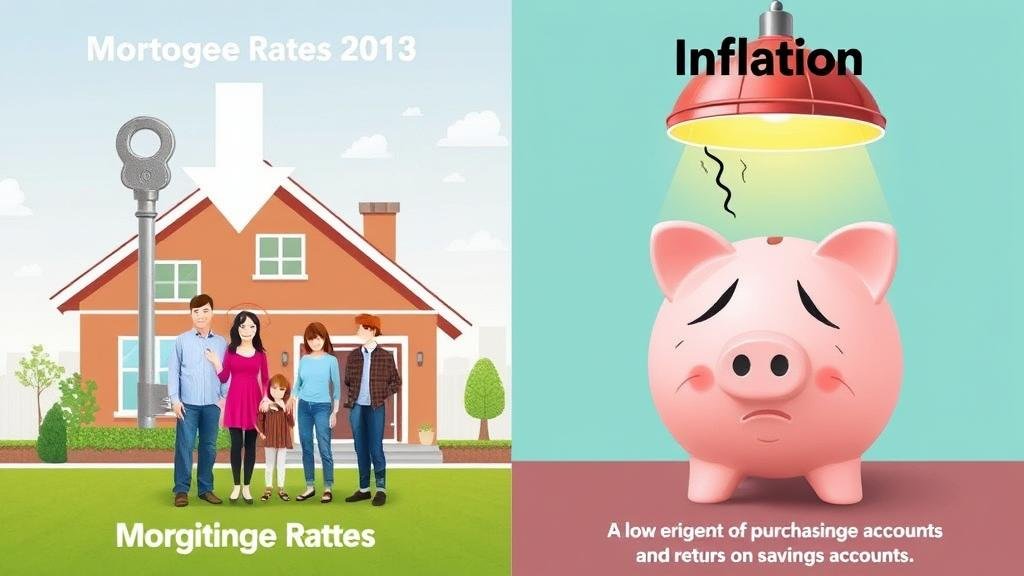
- Mortgage Rates: Hello, good news! Lower Fed interest rates generally translate to lower mortgage rates. That dream house might just get a little more affordable.
- Savings Accounts: On the flip side, lower rates mean your high-yield savings account might start earning next to nothing.
- The Job Market: A focus on economic growth could give the job market a boost.
- Investment Portfolios: Your stock portfolio might thrive under a dovish Fed, but beware of the silent thief: inflation. Higher inflation can erode your investment returns over time.
The Road Ahead
Before you rush to refinance your mortgage or YOLO your savings into meme stocks, let’s take a collective breath. The President has only floated a name. This isn’t a formal nomination. Any nominee will have to go through a Senate confirmation process that’s likely to be intense.
Still, the very fact that we’re having this conversation is significant. It signals a potential shift in the economic landscape.
We’ll be keeping a close eye on this drama as it unfolds. Staying informed is your best defense against financial surprises.