Kevin Hassett: The Potential New Face of the Federal Reserve and What It Means for Your Wallet
Let’s unpack the speculation surrounding the Federal Reserve’s next move. While the words “monetary policy” might sound like a snoozefest, the reality is that the person leading the Fed wields significant influence over our economy. A new name has entered the chat for the top spot: Kevin Hassett. So, who is this economist, and what could his appointment mean for your financial future?
Who is Kevin Hassett?
Kevin Hassett is an economist with a notable track record, having served as the Chairman of the Council of Economic Advisers (CEA) under President Trump. He holds a Ph.D. in economics from the University of Pennsylvania and has been a prominent scholar at the American Enterprise Institute, a conservative think tank. In essence, he is well-versed in economic theory and has practical experience in the highest echelons of government.
A Look at Hassett’s Economic Philosophy
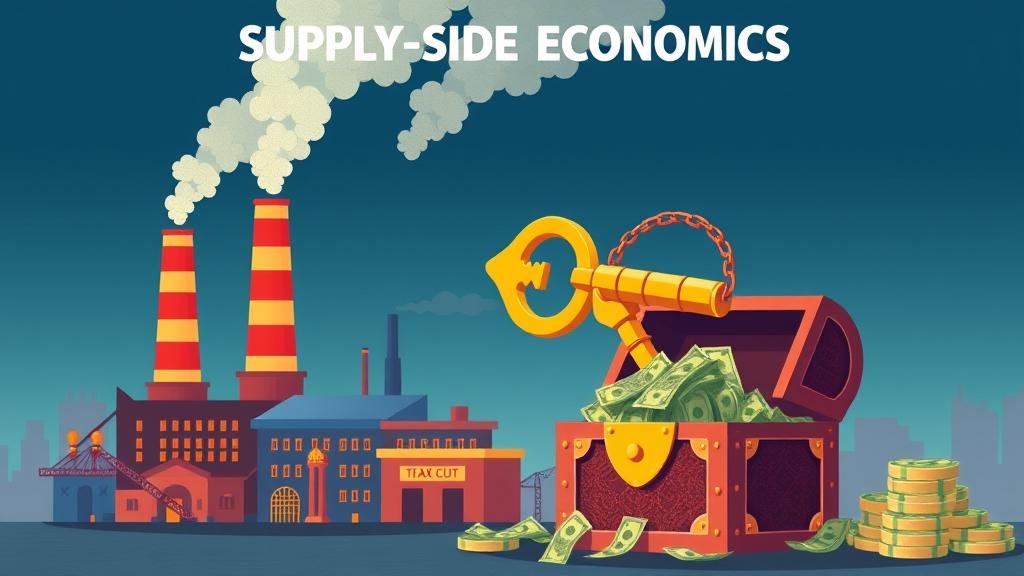
Hassett is a proponent of supply-side economics, a theory that suggests that cutting taxes, particularly for corporations, and reducing regulation will stimulate business investment, leading to job creation and overall economic growth. He was a key figure in the 2017 Tax Cuts and Jobs Act, championing the idea that lower corporate taxes would unlock a new wave of business investment and prosperity.
The outcomes of this policy have been a subject of debate. While the economy did experience growth, critics argue that the benefits were disproportionately skewed towards corporations and the wealthy, with the promised surge in investment falling short of expectations. This ongoing discussion is central to the conversation about Hassett’s potential appointment.
A Hassett-Led Fed: What Could We Expect?
If Kevin Hassett takes the helm of the Federal Reserve, what could we anticipate? The Fed’s dual mandate is to maintain maximum employment and stable prices, a delicate balancing act.
On Interest Rates and Inflation
The Federal Reserve’s primary tool for managing the economy is the federal funds rate. Raising this rate makes borrowing more expensive, which helps to cool down an overheating economy and curb inflation. Conversely, lowering the rate makes borrowing cheaper, stimulating economic activity.
Given his focus on fostering business investment, it is widely believed that Hassett would favor a low-interest-rate environment to encourage borrowing and spending. The potential risk of this approach is that it could lead to higher inflation if not managed carefully. His close ties to the Trump administration have also raised concerns about his ability to remain politically independent, a cornerstone of the Fed’s credibility.
Political Independence
The independence of the Federal Reserve is crucial for its ability to make politically unpopular decisions, such as raising interest rates to combat inflation. Critics worry that Hassett’s past political affiliations could compromise his ability to act independently of presidential pressure. As Bloomberg has reported, President Trump has openly discussed the possibility of a Hassett appointment, adding to these concerns. A Fed that is perceived as being politically influenced could lead to significant market volatility.
The Broader Implications (What This Means for YOU)
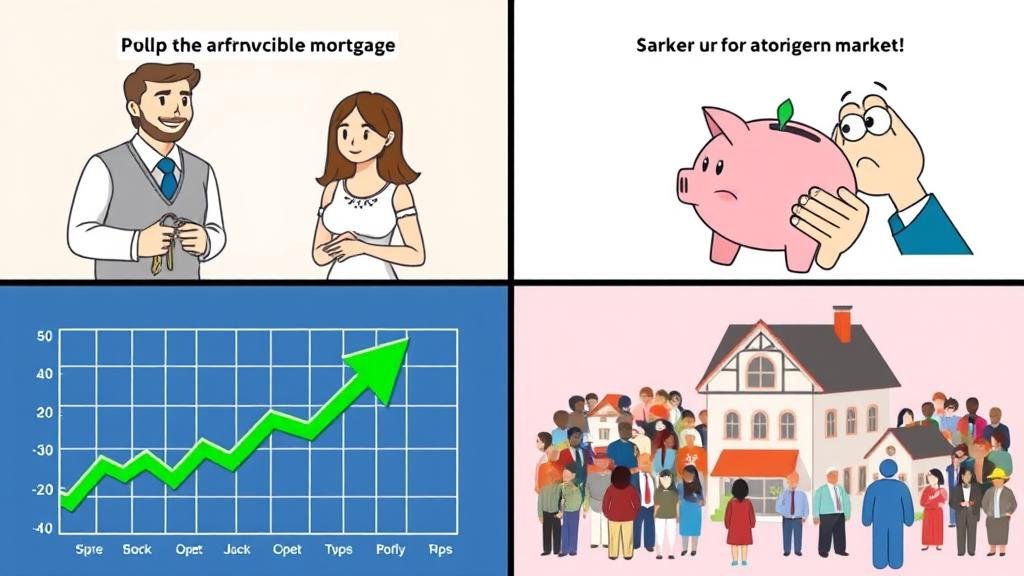
So, what does a potential Hassett-led Fed mean for the average person?
- For Borrowers: A low-rate environment could translate to more affordable mortgages, car loans, and business loans.
- For Savers: On the other hand, savings accounts would likely continue to offer minimal returns.
- For Investors: Lower interest rates are often a boon for the stock market, but investors would need to be wary of the potential for rising inflation to erode their returns.
- For the Housing Market: Cheaper financing could further fuel the housing market, potentially driving prices up even as it makes mortgages more accessible.
The Bottom Line
The prospect of Kevin Hassett as the next Federal Reserve Chair is a complex issue. While he possesses a deep understanding of economics and a wealth of experience, his strong policy views and political background make him a polarizing figure for a role that is ideally non-partisan.
For now, this remains a topic of intense speculation, but it’s a conversation with real-world consequences for everyone’s financial well-being. We will be keeping a close eye on this developing story.