Kushner and Witkoff in Moscow: Can a Real Estate Playbook Bring Peace to Ukraine?
In a move that feels more like a high-stakes real estate negotiation than traditional diplomacy, Jared Kushner and U.S. special envoy Steve Witkoff are in Moscow to discuss a new Ukraine peace plan with Vladimir Putin. As the Russia-Ukraine war enters its fourth year, this unconventional approach by the Trump administration aims to break the deadlock. The ongoing conflict has sent shockwaves through global markets, making the quest for a resolution a top priority for international stability and economic recovery. This meeting between Witkoff and Kushner and the Russian President could be a pivotal moment in the search for a lasting peace.
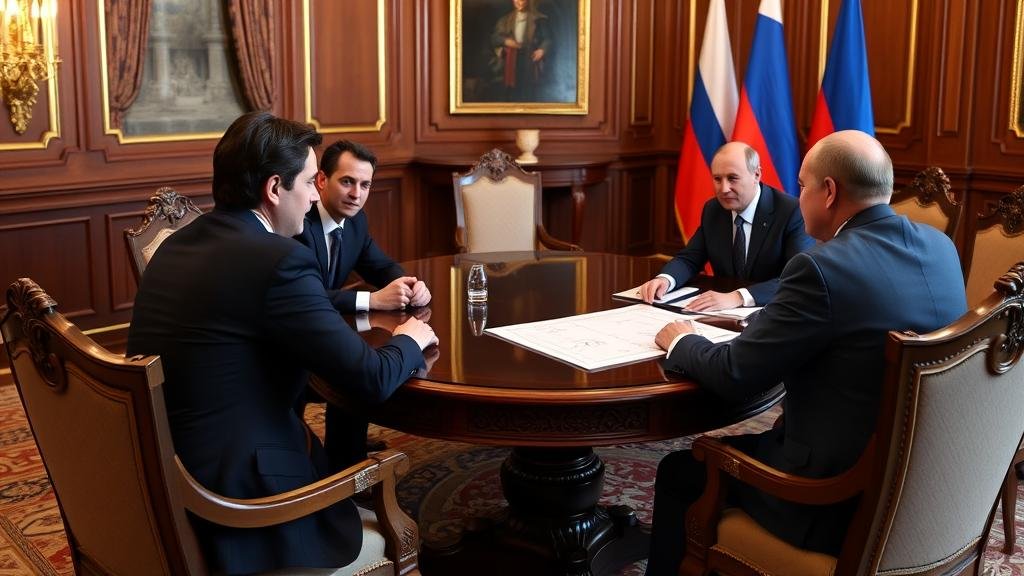
A High-Stakes Diplomatic Mission with a Real Estate Twist
The decision to send Kushner and Witkoff, both with deep roots in real estate, to negotiate with Putin has certainly raised eyebrows. This isn’t the typical diplomatic delegation. After recent Ukraine-US talks in Florida, where they met with Ukrainian officials alongside Secretary of State Marco Rubio, the duo now carries a revised peace proposal to Moscow. Proponents argue their unique deal-making background is precisely what’s needed to cut through the political stalemate. However, critics question whether their experience translates to the intricate world of geopolitics. Will this “disruptor” approach to foreign policy lead to a breakthrough or a breakdown in the ongoing peace deal negotiations?
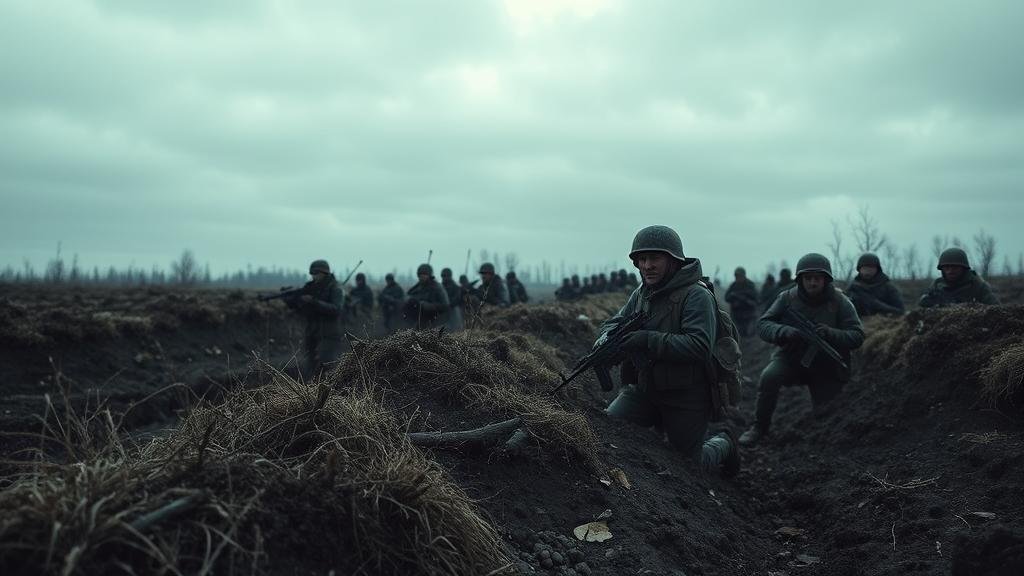
The Battlefield Reality
These high-stakes negotiations are unfolding against the grim backdrop of the grinding Russia-Ukraine war. Recent claims of territorial gains by the Russian military add another layer of complexity to the talks. While such claims should be viewed with skepticism, they are a clear power play designed to influence the negotiation dynamics. The situation on the ground will undoubtedly impact the leverage each side brings to the table and the potential success of the Jared Kushner Ukraine peace plan.
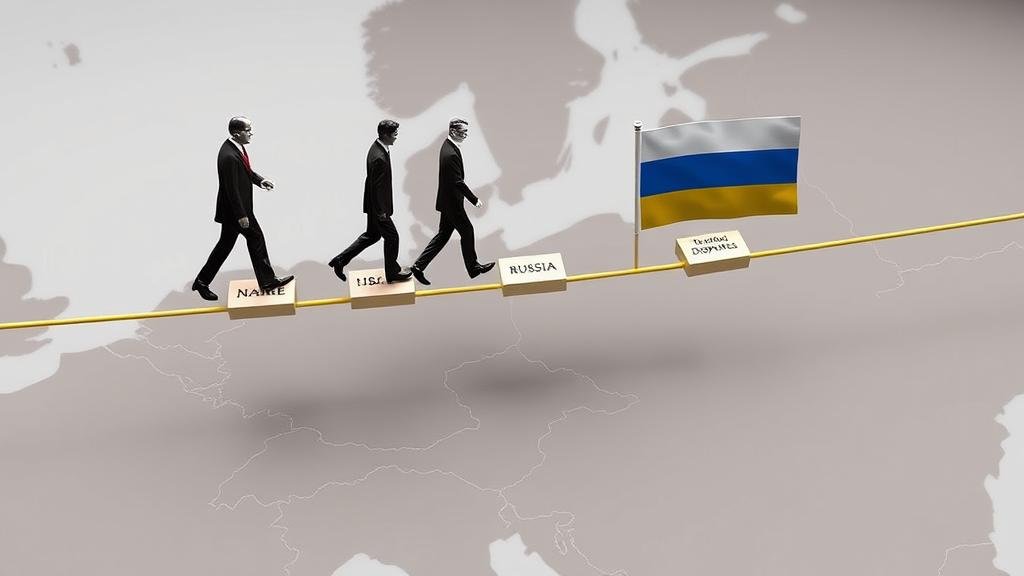
The Diplomatic Tightrope
Achieving a lasting peace in Ukraine is a diplomatic tightrope walk. Past negotiations have stumbled over critical issues: the status of Russian-occupied territories, long-term security guarantees for Ukraine, and the question of NATO membership. With war fatigue growing in the West, there is increasing pressure to find a solution. However, Ukraine and its allies are firm that any peace deal must not reward Russian aggression. The success of the Witkoff and Kushner mission hinges on their ability to navigate these complex issues and find a compromise acceptable to all parties, a challenge that has stumped seasoned diplomats.
Analysis and What to Expect
The world is watching to see what unfolds from this meeting. Several key factors will determine the outcome of the Trump administration’s push for a peace deal:
- The Substance of the Plan: The specifics of the proposed peace plan remain confidential, but their viability will be the ultimate test.
- Putin’s Response: Russia’s willingness to engage constructively is critical. Putin’s reaction to the proposal from Witkoff and Kushner will be the clearest indicator of its potential.
- U.S.-Ukraine Alignment: A united front between the U.S. and Ukraine is essential. Any divisions will be exploited by Moscow, undermining the negotiation’s strength.
- The Global Reaction: The stance of other global powers, particularly China, will also play a significant role in the broader geopolitical landscape and the implementation of any agreement.
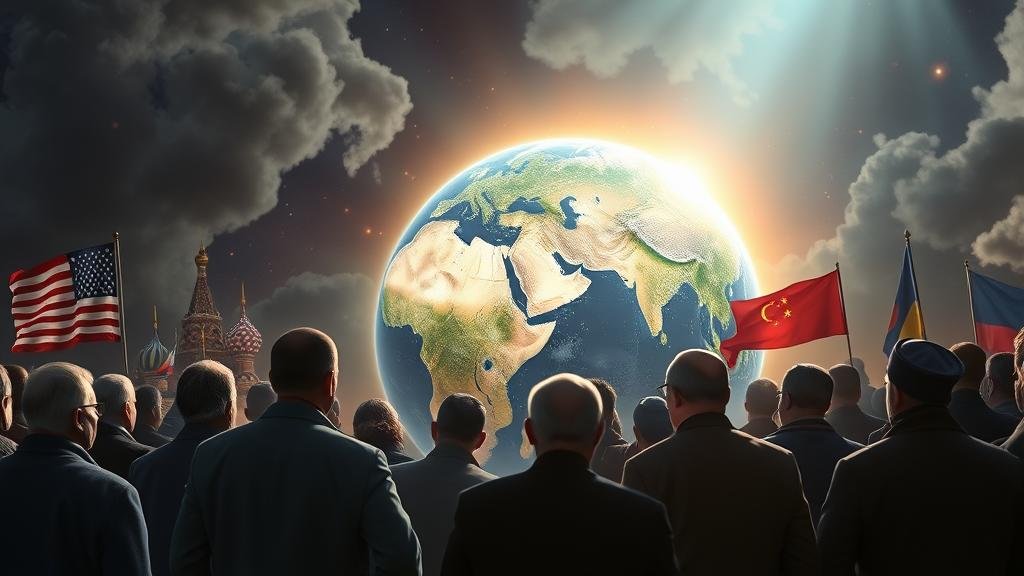
A Glimmer of Hope or a False Dawn for the Ukraine Peace Plan?
Is the Jared Kushner Ukraine peace plan a genuine opportunity for a breakthrough or a diplomatic long shot? Only time will tell. This unorthodox approach is a significant departure from traditional diplomacy, but with previous efforts stalling, a new strategy might be what’s needed. The world is watching to see if this high-stakes meeting between Witkoff and Kushner and Putin can pave the way for an end to the Russia-Ukraine war. The stakes are immeasurable, and the outcome will have lasting global consequences.