Labour’s First Budget: A Betrayal for UK Business?
A government’s first budget is like a series premiere. For the UK’s business leaders, promised a new era of economic growth, Chancellor Rachel Reeves’s debut landed with the grace of a dropped anvil. The C-suite reaction has been less “standing ovation” and more “bring back the old show.”

The Grand Pledge: A New Partnership for Growth?
Leading up to the election, Labour was on a charm offensive, promising a pro-business approach to get the UK’s sluggish economy moving. Business leaders, weary of political chaos, had a simple checklist for the new Chancellor: provide tax incentives for investment, help fix the nation’s lagging productivity, and above all, be predictable. The anticipation in the City of London was palpable.
The Disappointment: A “Buy-Now, Pay-Later” Budget
Then the budget dropped. Instead of bold moves, CEOs saw a “buy-now, pay-later” plan. The number that sent everyone to the corporate panic room was a planned £26 billion ($34 billion) in tax hikes. This was not the “open for business” sign they were hoping for. The core of the frustration is that the government’s actions feel entirely at odds with its pre-election rhetoric on growth.
A Missed Opportunity for Investment
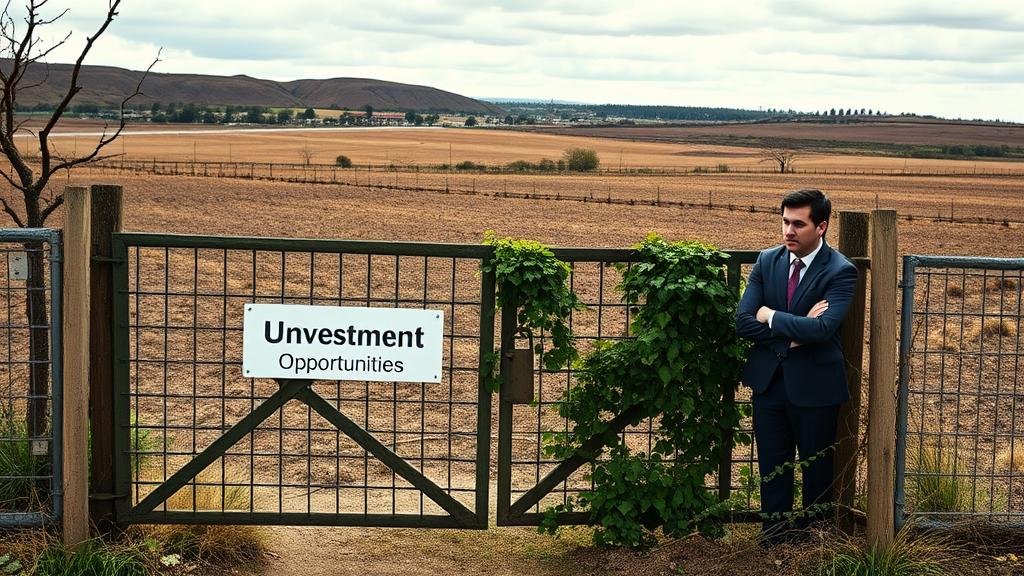
This is where CFOs truly despaired. In a wobbly economy, businesses needed a clear signal to invest. Instead, the Rachel Reeves budget was surprisingly quiet on the incentives that get boardrooms excited.
- Business Rates: The long-standing burden on shops and restaurants remains.
- Capital Allowances: Businesses had hoped for more generous tax discounts on new equipment; they got the status quo.
- R&D Tax Credits: Changes to innovation tax relief have left the tech sector feeling more cautious than creative.
Without these incentives, the fear is that investment will stall, or worse, move to more welcoming countries. Capital is skittish, and a £26 billion tax hike is a very loud noise.
The Chancellor’s Defence: A Necessary Evil?
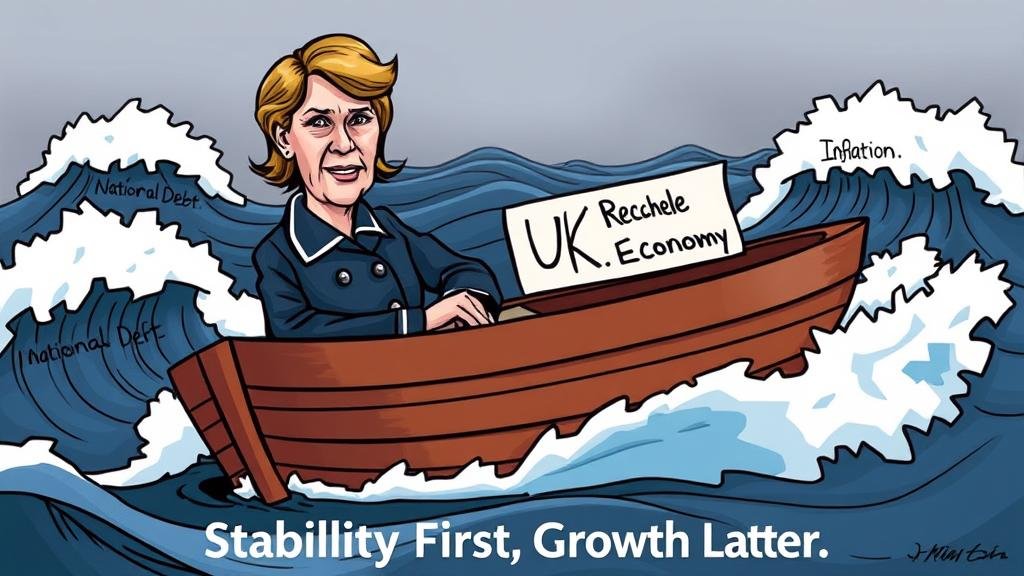
From the Treasury’s perspective, they inherited a national debt crisis and rampant inflation. Their argument is “stability first, growth later.” They believe that by implementing this tough fiscal policy now, they’re creating a more stable environment for the long run. The tax hikes, they argue, are a necessary evil to keep the country’s credit rating from diving. The government insists that a stable, predictable economy is a pro-business policy.
The Road Ahead: An Unsettled Outlook
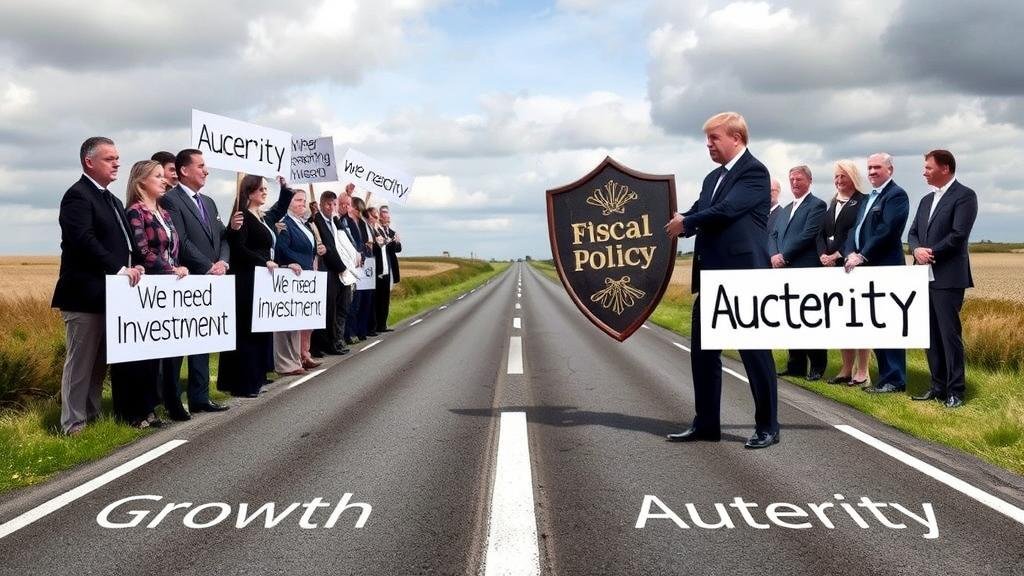
This impasse leaves the UK economy at a crossroads. The potential consequences are concerning:
- Delayed Investment: Companies may pause projects to build new factories or upgrade systems.
- Reduced Competitiveness: UK firms could lose ground to international rivals not facing new tax burdens.
- Slower Economic Growth: If business spending stops, job creation and innovation suffer, defeating the primary goal of growth.
Conclusion: A Standoff with High Stakes
We now have a classic standoff. Business leaders feel they were promised a gourmet meal and received lukewarm gruel. The Chancellor insists the gruel is essential for long-term financial health. The resounding question from UK Plc. is: can you tax your way to prosperity? They argue you can’t expect the private sector to lead an economic charge while tying its shoelaces together. The coming months will determine if this is a temporary dispute or the beginning of a painful disconnect for the UK economy.