Meme Warfare: The New Frontier of Digital Diplomacy
In an era of instant gratification, the collision of international relations and the internet’s favorite art form—the meme—was inevitable. I once tried explaining this to my dad, who assumed a “viral meme” was a new flu strain. He wasn’t entirely wrong.
Today, governments and rebels alike are using JPEGs as a form of political discourse. While a sharp foreign policy meme can provide a satisfying dopamine hit, using these digital tidbits to justify real-world conflict is a perilous game. The hilarious simplicity of a meme is dangerously at odds with the staggering complexity of preventing global conflict.
This isn’t to say it’s not tempting. In a world where attention spans are shorter than a goldfish’s memory, a spicy, shareable image is a powerful tool. But this digital frontier is a minefield where jokes can curdle into hatred with alarming speed.
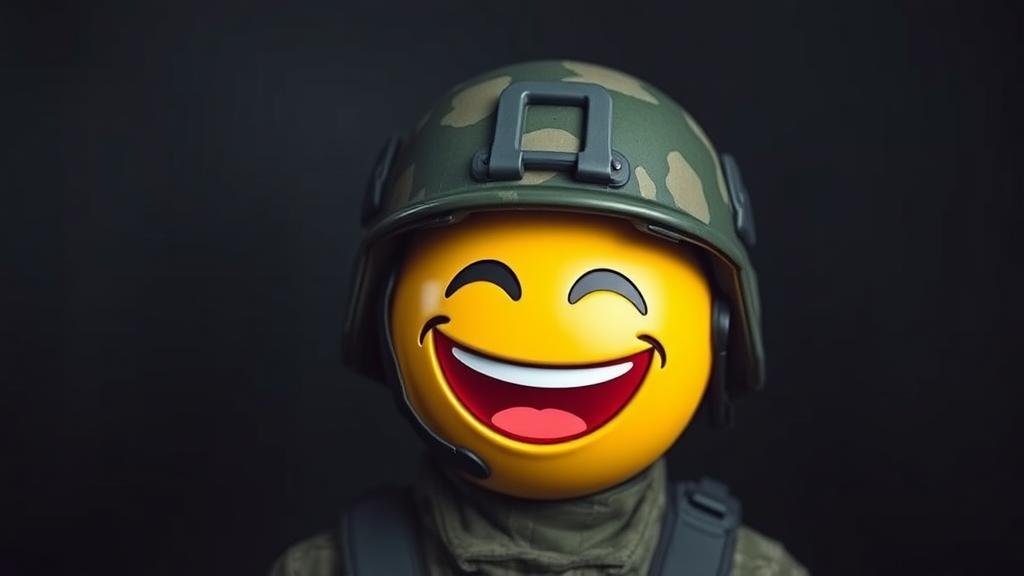
The Allure of the Meme: Why Governments Are Turning to Digital Wit
So, why are official government accounts suddenly behaving like Reddit power users? This is a calculated strategy known as digital diplomacy, and the reasons are as clear as they are concerning.
First, the reach. A traditional press release has the viral potential of a DMV handbook. A clever meme, however, can circle the globe millions of times before a diplomat finishes their morning coffee, reaching a younger audience that is more receptive to a cat meme than a stuffy politician.
Second, it’s about controlling the narrative. In the ongoing information war, perception is everything. A single viral image can frame a conflict, rally support, and paint the opposition as cartoon villains with astonishing speed. It’s storytelling, just with more Impact font and fewer inconvenient facts.
Finally, there’s plausible deniability. If a meme is too aggressive, the official line can be: “Oh, that wasn’t us! It was just a joke from enthusiastic supporters!” This allows for a level of unfiltered rhetoric that would make traditional diplomats clutch their pearls.
The Dark Side of Digital Diplomacy: The Dangers of Meme Warfare
Now, let’s discuss the dark side. The very qualities that make memes great for a laugh are what make them terrifying when applied to life-and-death situations. This is the reality of meme warfare.
Trivializing Tragedy and Oversimplifying Complexity
War is a tragic mess of human suffering and vast moral gray areas. Memes, by design, are simple and disposable. Using them to discuss war is like summarizing *Schindler’s List* with a knock-knock joke; it strips the horror of its meaning. A soldier’s death isn’t a punchline, and a destroyed city isn’t content for your feed. Global conflicts involve decades of history, economics, and cultural grievances. A meme boils that down to “My side good, your side dumb,” creating a black-and-white world where empathy and compromise are impossible.
The Uncontrollable Spread of Misinformation
The internet is a massive, chaotic factory for misinformation, and memes are its most efficient assembly line. A fake image of an atrocity can go viral, sparking real violence before anyone can verify it. Fact-checkers are fighting a losing battle. In the fog of war, where truth is already a casualty, memes make it nearly impossible to distinguish fact from fiction.
Fueling Radicalization and Hatred
This is what keeps me up at night. Memes are phenomenal tools for dehumanizing the other side—a classic propaganda trick supercharged by social media algorithms. Portraying an enemy as a monster or a clown makes it much easier to justify harming them. The line between a “dank meme” and a genuine call for violence becomes dangerously blurry, turning online trolling into real-world radicalization.
The Illusion of Participation
Sharing a meme about a conflict can feel like taking action. This “slacktivism” provides a warm feeling of solidarity without requiring any real sacrifice or deep engagement. It’s the illusion of being in the trenches while you’re safely on your couch.
The Fleeting Nature of Memes vs. The Enduring Consequences of War
A meme is ephemeral, forgotten by the next day. War, however, leaves scars that last for generations. Decisions about conflict, sanctions, and diplomacy demand sober reflection. When our political discourse is driven by what’s trending, we risk making permanent decisions based on temporary feelings.
Beyond the Punchline: A Call for Responsible Communication
The rise of meme warfare is a symptom of a larger issue: our public conversation is becoming dumber, faster, and meaner. This isn’t to say humor has no place in diplomacy, but it requires the precision of a surgeon, not the wild abandon of a toddler with a crayon.
The responsibility falls on all of us. Governments must resist the cheap thrill of inflammatory rhetoric. As citizens of the internet, we must cultivate a healthy skepticism. Learn to spot propaganda, question emotional appeals, and most importantly, think before you share.
Remember, behind every war meme are real people whose lives are not a joke. The stakes are too high to let the internet’s id run our foreign policy.