Navigating the Labyrinth of Diplomacy in the Ukraine War

The Diplomatic Dance: More Cha-Cha-Chaos Than Waltz
Achieving a consensus between Russia and the West on the Ukraine war often feels like an impossible task, a frustrating stalemate where progress is measured in millimeters. When diplomats speak of “more work to be done,” they’re signaling that the core issues in these crucial peace talks have barely been touched. While headlines might tout “narrowing differences,” the reality of the diplomatic negotiations surrounding the war in Ukraine is far more complex. This isn’t a simple disagreement; it’s a deep-seated conflict with a mountain of obstacles to overcome. Let’s break down why this diplomatic process is less of a graceful waltz and more of a chaotic cha-cha.
A Glimmer of Hope or a Mirage?
High-stakes talks between U.S. and Russian officials have been reported, fueling cautious optimism. The very act of communication is a positive sign, a step away from open hostility and toward potential diplomatic solutions. However, claims that the remaining obstacles are “not insurmountable” or “minor details” should be taken with a grain of salt. In geopolitics, there are no “minor details.” A seemingly small point of contention can unravel an entire negotiation. The devil is in the details, and a lasting resolution requires more than just sitting at the same table.
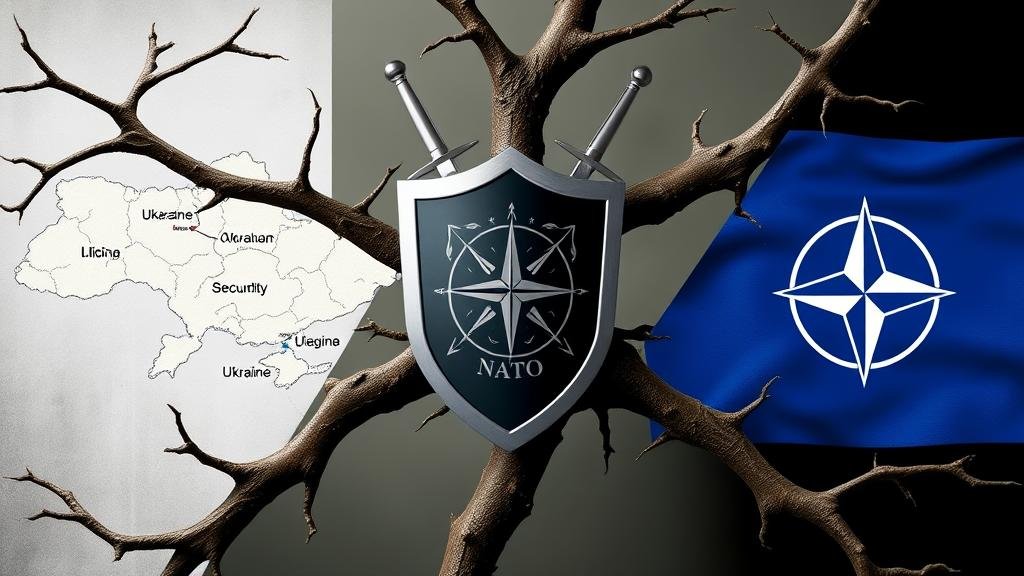
The Thorny Issues at the Heart of the Conflict
So, what are the major roadblocks in the quest for peace? Let’s delve into the core issues that are protracting these negotiations.
1. Territorial Integrity and Sovereignty
This is the non-negotiable cornerstone for Ukraine and its Western allies. The principle that a nation’s borders should be respected is a fundamental tenet of international law. For Ukraine, compromising on its territorial integrity and sovereignty is out of the question. Russia, on the other hand, remains entrenched in its claims, creating a significant impasse that will require immense diplomatic effort to resolve.
2. Security Guarantees
Ukraine is seeking robust, legally binding security guarantees from the international community to prevent future aggression. This is essentially a collective defense agreement, a promise of international support in the face of an attack. Negotiating the terms of these guarantees—who provides them, what they entail, and how they are enforced—is a monumental task. It’s a massive commitment that nations are hesitant to make lightly.
3. The Role of NATO
Russia has long viewed the eastward expansion of NATO as a direct threat to its security interests. A key Russian demand is to limit the alliance’s presence and influence in its neighborhood. This clashes with NATO’s open-door policy and the right of sovereign nations to choose their own alliances. This fundamental disagreement remains a major source of tension and a significant hurdle in the peace talks.
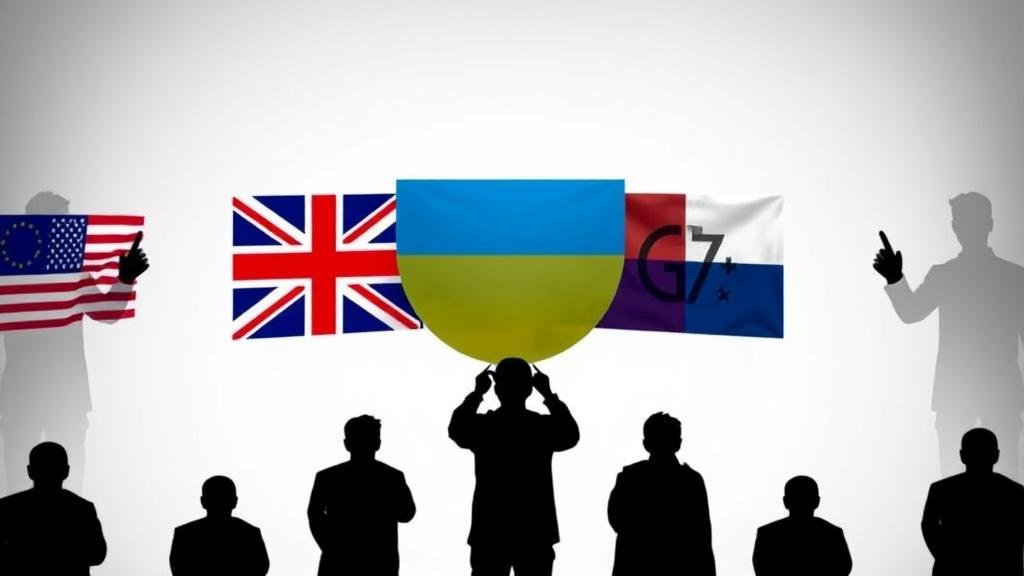
The Importance of a United Front
The United States has taken a leading role in these diplomatic efforts, but a united front among international partners is essential. The EU, the UK, and the G7 must maintain solidarity to exert meaningful pressure and negotiate effectively. Any division within this coalition could be exploited, undermining the entire process. The challenge lies in coordinating a cohesive strategy while managing the diverse interests and domestic pressures of each member state. This requires clear, consistent strategic communication to counter Russian disinformation and present a unified stance.

The Path Forward: A Marathon with Hurdles
The road to a peaceful resolution is long and fraught with challenges. A breakthrough is not imminent. Progress will require:
- Sustained Support for Ukraine: Ensuring Ukraine can negotiate from a position of strength is paramount.
- Strategic Patience: This is a complex, deeply rooted conflict that will not be resolved overnight. A long-term perspective is essential.
- Clear and Consistent Messaging: Ambiguity is the enemy of diplomacy. A clear, unified message is crucial for effective negotiations.
While the glimmers of hope in the ongoing diplomatic solutions are real, they are also fragile. The situation serves as a stark reminder of the profound complexity of resolving global conflicts. The work is arduous, the stakes are high, and the path to peace is paved with uncertainty. If you’ve made it this far, you now have a deeper understanding of the intricate diplomatic dance unfolding on the world stage.