Netanyahu’s Pardon Request: A Constitutional Challenge for Israel
In a move described by the President’s office as “extraordinary,” Prime Minister Benjamin Netanyahu has formally requested a pardon while his trial is still underway, creating significant political and legal reverberations throughout Israel. This development has intensified the ongoing Israel political crisis, raising concerns about the nation’s stability and its democratic foundations.
This is not merely a legal maneuver; it represents a significant stress test for Israeli democracy. The potential economic consequences are substantial, as investor confidence is often linked to a country’s political stability.
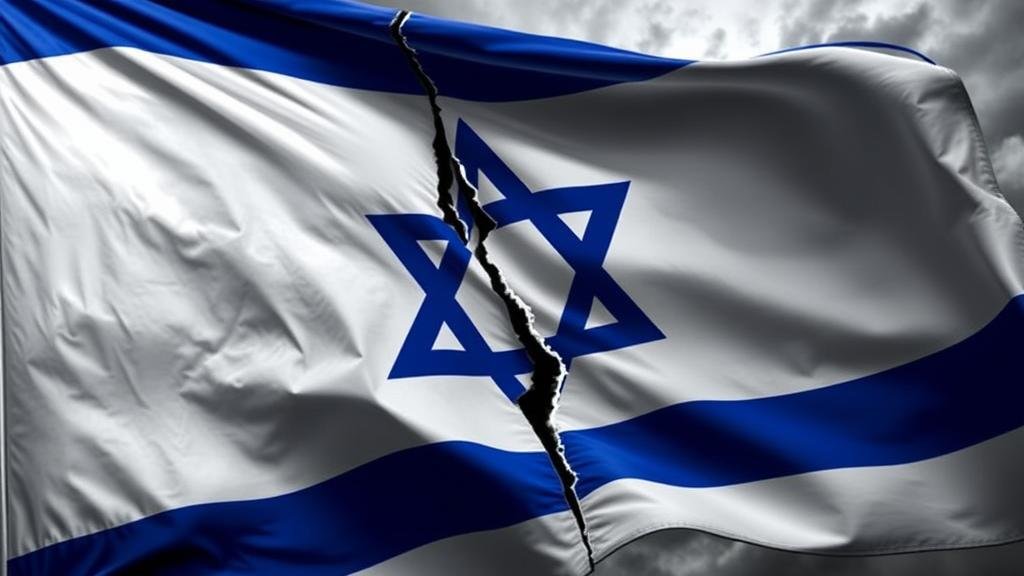
The Pardon Request: An Unprecedented Move
On Sunday, Prime Minister Netanyahu submitted a formal pardon request to President Isaac Herzog. This act is highly unusual, as pardons are typically considered for individuals who have already been convicted and have exhausted their legal appeals. Requesting a pardon mid-trial, particularly while holding the highest public office, is an uncharted course.
President Herzog’s office has acknowledged the “significant implications” of the request and has committed to a thorough and responsible review, which will include consultations with various legal authorities.
Netanyahu is currently on trial for bribery, fraud, and breach of trust in a series of cases (1000, 2000, and 4000). In his request, the Prime Minister cited his “broad public and moral responsibility.” This has been interpreted in starkly different ways by his supporters, who see it as a necessary step for national stability, and his opponents, who view it as an admission of guilt.
The Legal Implications and the Separation of Powers
The President of Israel does have the authority to grant pardons, but exercising this power for a sitting Prime Minister who has not been convicted would set a contentious precedent. This situation has ignited a fierce debate within Israel’s legal community, centered on several key questions:
- Can the President effectively halt a live judicial process? Such an action could be perceived as an executive overreach, undermining the authority of the judiciary.
- Does this request constitute a pardon or an obstruction of justice? Critics argue that granting the pardon would suggest that the rule of law does not apply equally to all citizens.
- Whose counsel will the President heed? President Herzog is expected to receive advice from the Attorney General and other top legal experts, but the final decision rests solely with him.
This issue places the principle of the separation of powers—a cornerstone of Israeli democracy—under intense pressure. The balance between the executive, legislative, and judicial branches is at risk of being destabilized.
The Political Fallout and National Division
The political fallout from this pardon request has been immediate and severe, further polarizing an already divided nation.
President Herzog’s Difficult Decision
President Herzog faces a monumental choice with no easy outcome. His role is to act as a unifying figure, yet either decision will likely lead to significant conflict.
- Granting the pardon would lead to accusations of complicity in undermining the rule of law and could trigger widespread public protests.
- Denying the pardon would anger Netanyahu’s substantial political base and the ruling coalition, who argue the trial is politically motivated. This could deepen the national divide.
Widespread Reactions
The reactions from across the political spectrum have been swift and strong:
- Opposition leaders have condemned the move as a “disgrace” and an assertion that the Prime Minister is above the law.
- Netanyahu’s allies have framed the request as a step toward “national reconciliation” to end the persistent political turmoil.
- The Israeli public remains deeply split, with half viewing it as an affront to their trust in government, and the other half seeing it as a necessary measure to protect their leader.
What to Monitor
The situation is dynamic, and several factors will be critical to watch in the coming weeks:
- The Attorney General’s Opinion: This will be the first formal legal assessment and will heavily influence the public and political narrative.
- Public Protests: The scale of any public demonstrations will be a key indicator of the national mood.
- Coalition Stability: While the governing coalition is expected to project unity, any internal dissent or nervousness will be a crucial sign of the political pressures at play.
This pardon request is a defining moment for Israel. President Herzog’s decision will have lasting implications for the character of Israeli democracy and the resilience of its foundational principles.