Benjamin Netanyahu’s Pardon Request: Navigating Israel’s Political and Legal Crisis
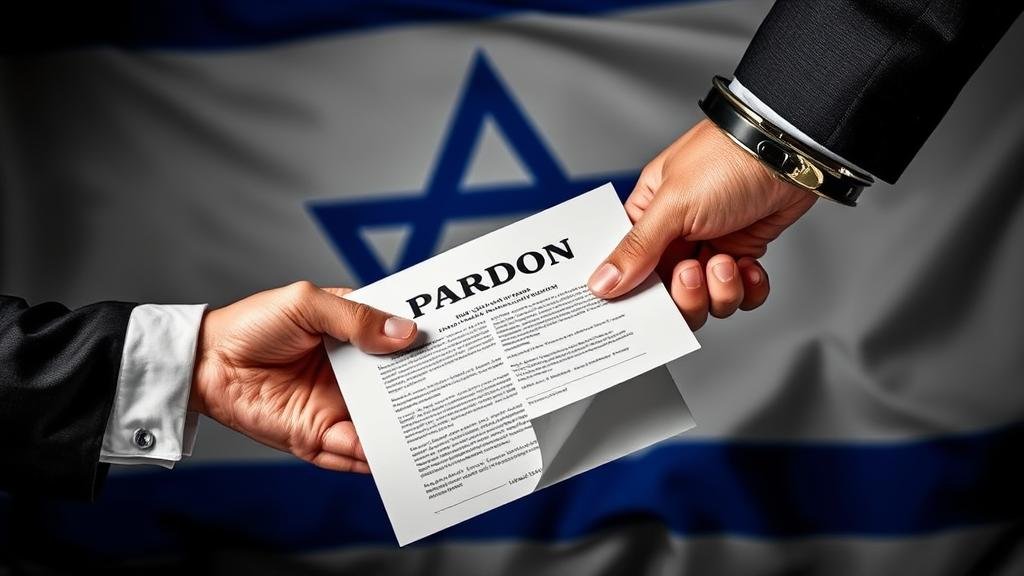
In a move with profound political and legal ramifications, Israeli Prime Minister Benjamin Netanyahu has formally requested a pardon from President Isaac Herzog in connection with his ongoing corruption trial. This unprecedented request has intensified the national debate surrounding the long-running legal proceedings, placing the President at the center of a decision with far-reaching consequences for Israel’s democracy.
The President’s Monumental Decision
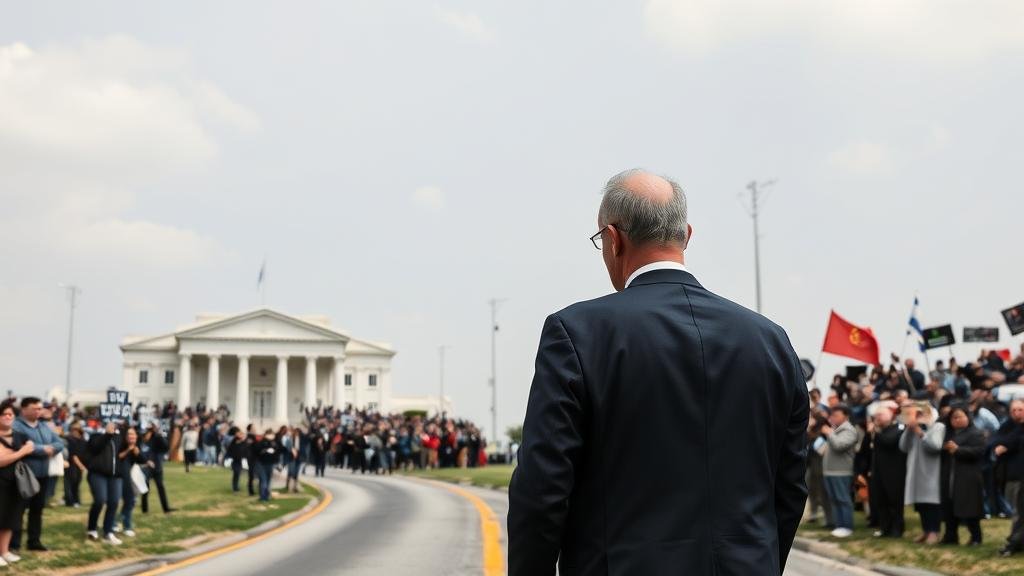
The President’s office acknowledged the “extraordinary” nature of the request and stated it would consider the deep legal and political implications. President Herzog now faces a monumental decision: grant the pardon and risk accusations of undermining the justice system, or deny it and prolong a divisive legal saga that has polarized the nation. Granting the pardon could be perceived as creating a separate standard of justice for the politically powerful, potentially fueling public outrage. Conversely, denying the request would ensure the trial continues, leaving the country in a sustained state of political tension while Netanyahu’s supporters decry the influence of the “deep state.”
At the Heart of the Matter: Cases 1000, 2000, and 4000
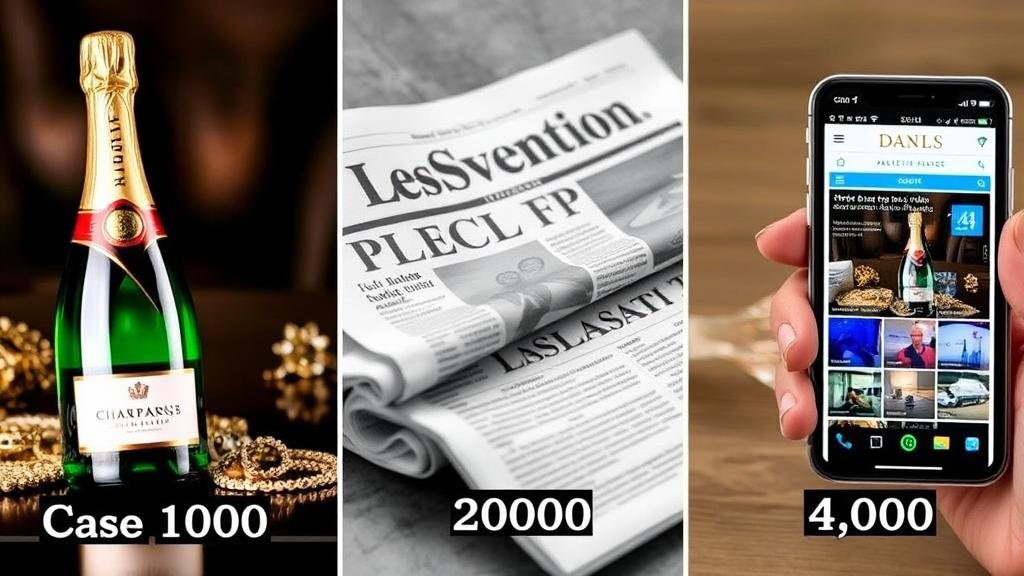
At the heart of the matter are three distinct legal cases, which have cast a long shadow over the Prime Minister’s tenure.
- Case 1000: This case focuses on allegations that Netanyahu and his wife received lavish gifts, including champagne and jewelry, from wealthy benefactors in exchange for political favors. The defense argues these were merely gifts between friends, while the prosecution contends they constituted illicit benefits.
- Case 2000: Here, Netanyahu is accused of attempting to secure more favorable media coverage by negotiating a deal with the publisher of a major newspaper. The proposed arrangement allegedly involved weakening a rival publication in exchange for positive press.
- Case 4000: Considered the most serious, this case includes a charge of bribery. As Minister of Communications, Netanyahu allegedly enacted regulations that provided significant financial benefits to the owner of Bezeq, a major telecommunications company. In return, a news website owned by the same individual is said to have provided biased, positive coverage of the Prime Minister.
A ‘Witch Hunt’ or Public Responsibility?
Throughout the proceedings, Prime Minister Netanyahu has maintained his innocence, describing the investigation as a politically motivated “witch hunt.” In his pardon request, he framed his motives differently, stating a desire to heal national divisions.
…to assume “broad public and moral responsibility” for the divisive impact of the trial.
A Precedent for a Nation
The outcome of this pardon request will not only determine the course of the Prime Minister’s legal battle but will also establish a critical precedent for the rule of law and democratic governance in Israel. As the nation awaits the President’s decision, the case highlights the deep divisions within Israeli society and the complex, often fraught, intersection of law and politics.