From Red Envelopes to a Digital Empire: How Netflix Revolutionized the Film Industry
For decades, the film industry known as Hollywood was less a business and more a velvet-roped VIP lounge with a grumpy bouncer. The idea that some scrappy outsider could just waltz in was, frankly, hilarious. Yet, a streaming service that started by mailing you DVDs—like some high-tech paperboy—did exactly that. This is the David vs. Goliath story, except Goliath was so busy admiring his own reflection that he didn’t see David show up with a high-speed internet connection and a boatload of data.
Let’s be real, you’ve heard this story before: brash newcomer, stuffy old industry, boom, disruption. But the way Hollywood fumbled the ball is a masterclass in spectacular hubris. It’s almost… entertaining.
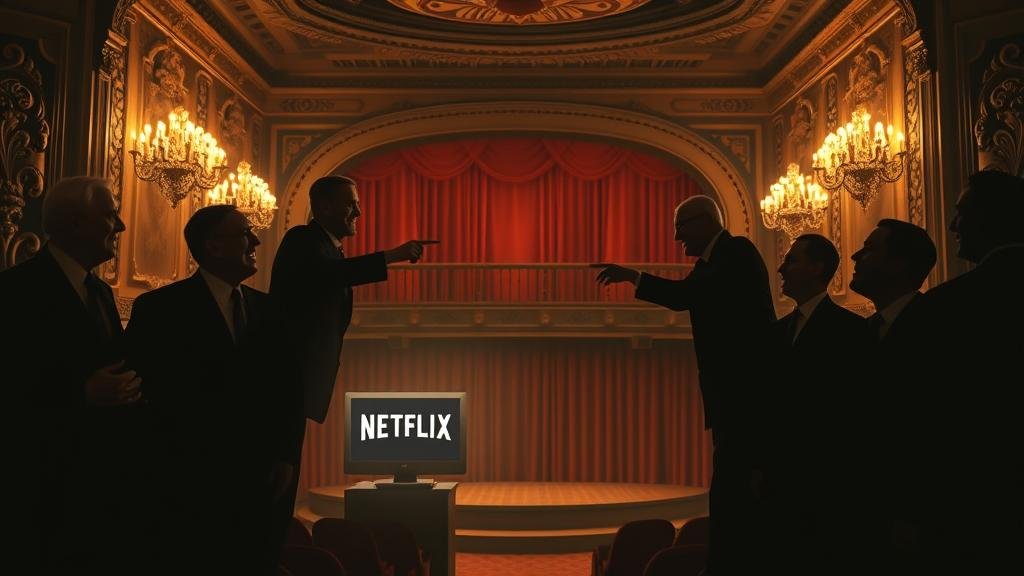
From Red Envelopes to a Digital Empire
Remember those little red envelopes? They were the highlight of my mailbox, right next to the electric bill and a coupon for a free breadstick. Back then, Netflix was just a cute way to avoid the wrath of Blockbuster’s late fees. The big studios saw them as a harmless little gnat in the massive world of home video. So, they happily licensed out their dusty back-catalog titles—you know, that rom-com from ‘98 that even its stars pretend never happened. It was found money! Zero threat.
What they missed—cue dramatic pause—was that Netflix wasn’t just shipping plastic discs. They were building a direct line to millions of living rooms. They were gathering data on every weird documentary you watched at 2 a.m., every sitcom you binged, every movie you quit ten minutes in. This data became their superpower. While Hollywood execs were still greenlighting projects based on gut feelings and the alignment of the planets, Netflix was using cold, hard facts. And, as we’ll see, facts don’t care about your feelings, or your corner office, especially when it comes to the entertainment landscape.
The ‘Albanian Army’ at the Gates
Then came streaming. In 2007, when Netflix flipped the switch, Hollywood’s reaction was, to put it mildly, a condescending chuckle. As The Hollywood Reporter lovingly reminds us, some execs called the streamer the “Albanian army.” I’m not sure what they had against Albania, but the message was clear: you’re small, you’re irrelevant, and our moat is filled with cash and Emmys.
This, my friends, was a legendary blunder. The studios were so busy protecting their precious theatrical windows and lucrative cable deals—which, let’s be honest, were already starting to look a little creaky—they treated streaming like it was radioactive. They believed we’d always prefer paying $15 for a ticket and sticky floors, completely misjudging the future of streaming.
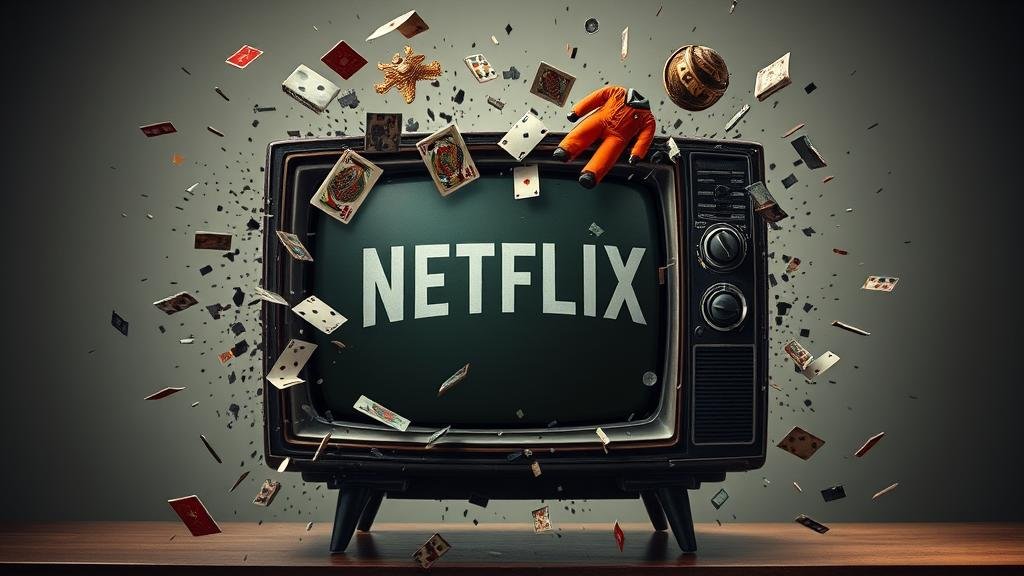
The Content Revolution: A New Kind of Studio
Then, in 2013, came House of Cards. Netflix didn’t just knock on the door; they took a battering ram to it. Releasing an entire season at once? Blasphemy! They turned “binge-watching” from a shameful secret into a national sport. My 7-year-old asked if I was ever going to stop watching Stranger Things. I said, “Never.”
With hits like Orange Is the New Black and Stranger Things, Netflix proved it wasn’t just a tech company that owned a bunch of movie files. It was a studio. It was a creator of original content. And it was playing a totally different game with a rulebook it wrote itself.
Suddenly, the “Albanian army” had tanks. The old guard, who had been laughing from their castle walls, were now frantically trying to build their own streaming services. It was like watching someone start swim lessons after the ship has already hit the iceberg. They were years behind, playing a game Netflix had already mastered, forever changing the entertainment landscape. Still reading? Wow. You’re officially my favorite.
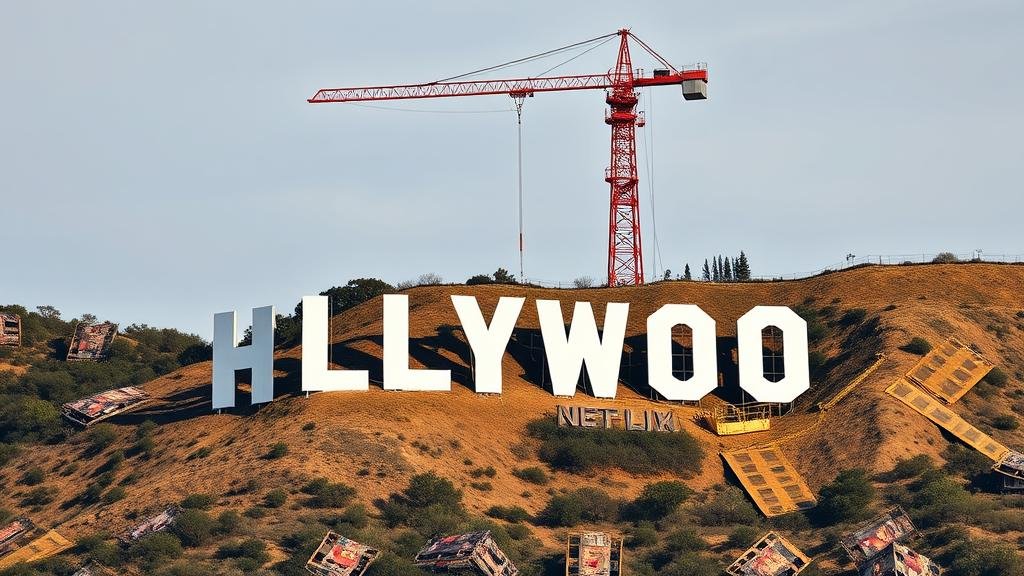
The New Hollywood Order
Fast forward to today. The entertainment landscape is so different, it’s like it went through a Hollywood makeover montage. Netflix is a global monster with a budget that makes traditional studios weep into their lattes. Hot take coming in 3…2…1: The streamer that was once laughed at is now in talks to potentially merge with Warner Bros. I’ll repeat that for the people in the back. The company that mailed you DVDs might one day own Batman. The thought of Hopper from Stranger Things giving life advice to Superman is the kind of crossover I’m here for.
The beautiful, delicious irony is that Hollywood’s own arrogance created the power vacuum. They left the front door unlocked, with a plate of cookies and a handwritten note that said, “Please, cause some disruption.” Netflix politely obliged. It’s the ultimate “I told you so,” served ice-cold.
Lessons from the Tinseltown Tussle
Alright, class, what did we learn? This whole saga is a powerful reminder that no one is too big to fail, and the biggest threats often look like a joke at first. The Hollywood old guard learned the hard way that “because we’ve always done it this way” are the six most expensive words in business, a lesson crucial for navigating the future of streaming.
The entertainment world will keep changing, but the lesson is timeless: evolve or become a museum piece. Netflix’s story proves that sometimes, the scrappy underdog with a nerdy obsession for data doesn’t just get to sit at the cool kids’ table—they end up buying the whole cafeteria, reshaping the entire entertainment landscape. And yes, this will be on the test. 🎬