UK's New Driving Laws: Impact on Older & Learner Drivers
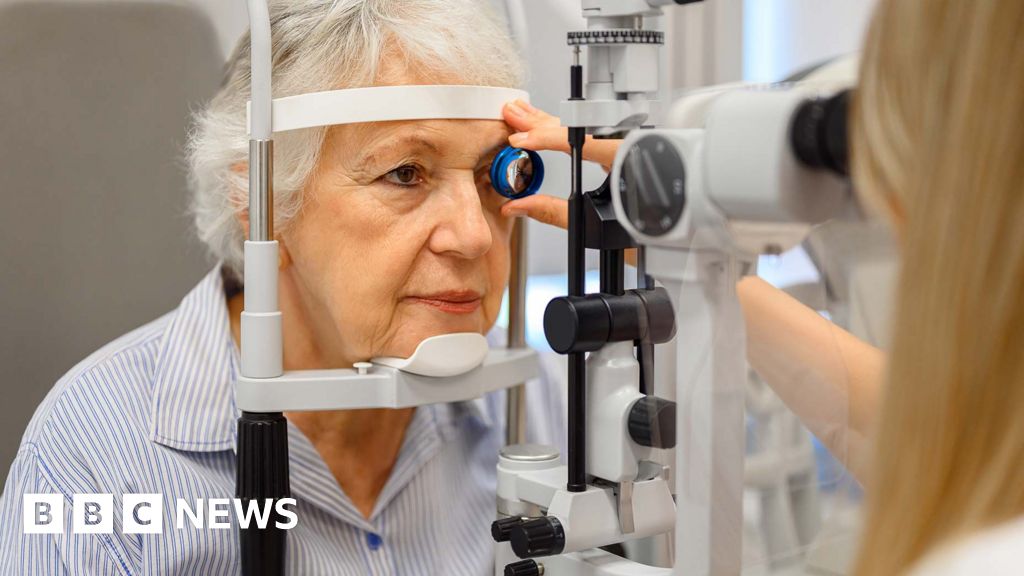
How the new road safety measures will affect youImage Credit: BBC Business (Finance)
Key Points
- •BBC Business (Finance)
- •7 January 2026
- •By a Senior Financial Correspondent
- •Mandatory Eye Tests: Drivers over the age of 70 could be required to pass an eye test every three years to retain their licence. Currently, drivers simply declare they can read a number plate from 20 metres. While NHS eye tests are free for over-60s, this change introduces a new formal requirement for licence renewal.
- •Cognitive Testing: The DfT has also committed to exploring "options for cognitive testing for older drivers." This is a more controversial element, with details yet to be defined. It raises questions about the cost, accessibility, and scientific validity of such tests, and who would bear the financial burden—the driver or the NHS.
How the new road safety measures will affect you
BBC Business (Finance) 7 January 2026 By a Senior Financial Correspondent
The UK government has unveiled its most significant road safety strategy in over a decade, a sweeping set of proposals designed to drastically reduce fatalities and serious injuries on the roads of England and Wales. The plan, now open for public consultation, introduces major changes that will impact every demographic of driver, from learners to the over-70s, with significant financial and practical consequences for millions.
The Department for Transport (DfT) initiative aims to modernise regulations and bring them in line with many other developed nations. While the stated goal is saving lives, the proposed measures—including mandatory eye tests for older drivers, a minimum learning period for novices, and stricter alcohol limits—will also create new costs, administrative hurdles, and potential shifts in the insurance and driver training industries.
Here is a detailed breakdown of the government's proposals and their potential impact on your safety and your wallet.
Older and More Experienced Drivers
The government is proposing a fundamental shift in how the fitness of older drivers is assessed, moving from a system of self-declaration to one of mandatory checks. This reflects growing concerns about age-related health conditions impacting road safety.
- Mandatory Eye Tests: Drivers over the age of 70 could be required to pass an eye test every three years to retain their licence. Currently, drivers simply declare they can read a number plate from 20 metres. While NHS eye tests are free for over-60s, this change introduces a new formal requirement for licence renewal.
- Cognitive Testing: The DfT has also committed to exploring "options for cognitive testing for older drivers." This is a more controversial element, with details yet to be defined. It raises questions about the cost, accessibility, and scientific validity of such tests, and who would bear the financial burden—the driver or the NHS.
- Insurance Implications: Insurers will be watching this closely. While safer roads could lower overall premiums, individuals who fail these new tests or are required to undergo further assessment could face significantly higher costs or even find it impossible to get cover.
Learner and Novice Drivers
For those starting their driving careers, the path to a full licence may become longer and more expensive. The government believes a more structured learning phase will produce more competent and safer new drivers.
- Minimum Learning Period: A mandatory learning period of up to six months between passing the theory test and taking the practical exam is under consideration. The government argues this will ensure learners gain experience in diverse conditions, such as night, motorway, and poor-weather driving.
- Financial Impact: This proposal has the most direct financial consequence for new drivers. A six-month period could translate into a need for more formal lessons. With driving lessons averaging £35 per hour, an extra 20 hours of tuition would add £700 to the cost of getting a licence. This includes informal practice with family, but the pressure for professional instruction will likely increase.
- Market Dynamics: This change could be a boon for the driver training industry, creating a more predictable and sustained demand for lessons. However, it arrives as the Driver and Vehicle Standards Agency (DVSA) is still tackling a major backlog in practical tests from the Covid pandemic, with waiting times already around six months and not expected to clear until late 2027. This new rule could either regulate the flow of candidates or further complicate scheduling.
Stricter Drink-Driving Limits and Penalties
The proposals aim to bring England and Wales in line with Scotland and the majority of Europe by significantly lowering the blood alcohol concentration (BAC) limit.
- New Alcohol Limits: The limit for most drivers would be reduced from 80mg of alcohol per 100ml of blood to 50mg. For learner and newly qualified drivers, a near-zero-tolerance limit of 20mg is proposed. This effectively means even a single small drink could put a new driver over the legal limit.
- 'Alcolocks' for Offenders: In a major technological shift, the government plans to mandate the use of "alcolocks"—in-car breathalyser systems that prevent a vehicle from starting if the driver has alcohol in their system. These would be required for some convicted drink-drivers as a condition of regaining their licence.
- Cost of Compliance: The financial burden for alcolocks would fall on the offender. Installation and annual monitoring can cost upwards of £1,000 per year, a significant penalty on top of fines and increased insurance premiums. This creates a new market for technology suppliers and installers. A full review of existing fines and penalties is also promised.
Changes for Motorcyclists
Motorcyclists are a key focus of the new strategy, given their over-representation in serious accident statistics. The proposals aim to improve training and safety from the outset.
- Training Overhaul: The Compulsory Basic Training (CBT), the entry point for most new riders, is set for a comprehensive review. This could lead to a more robust curriculum, potentially increasing the time and cost required to get on the road.
- Safety Initiatives: The government plans to expand government-funded schemes to promote the use of safer, higher-standard helmets. It also intends to roll out new pilots of Project Prime, a successful initiative that provides advanced training to help motorcyclists navigate hazardous rural roads more safely.
What Happens Next?
These proposals represent a significant tightening of road safety laws, balancing the goal of fewer accidents with the freedoms and financial realities faced by UK drivers. It is crucial to remember that these are not yet law.
The next step is a period of public consultation, where industry bodies, safety campaigners, and individual citizens will have the opportunity to provide feedback on the proposals. The DfT will analyse this feedback before making final decisions on which measures to legislate and in what form.
The timeline for this consultation will be announced shortly. The outcomes will shape the rules of the road, the cost of driving, and the landscape of the automotive and insurance industries for years to come.
Source: BBC Business (Finance)
Related Articles
ARRY Stock Sinks Despite Market Gains: What to Know
Array Technologies (ARRY) stock declined 2.5% in the latest session, contrasting with market gains. Find out why the solar stock fell and what it means for inve
India and the EU clinch the 'mother of all deals' in a histo
Jay Vine Wins Tour Down Under 2026 After Kangaroo Crash
Australian cyclist Jay Vine secures the overall victory at the 2026 Tour Down Under despite a dramatic final-stage crash involving a kangaroo.
Trump's New Defense Strategy: Allies Must Fund Own Security
The Trump administration's new National Defense Strategy realigns US policy, demanding allies assume primary responsibility for their own security and defense c