The Next Fed Chair: How the World’s Most Powerful Economic Job Affects Your Wallet
The global financial world is on edge, awaiting the selection of the next Chair of the Federal Reserve. This single appointment will significantly influence the global economy, the stock market, and the interest rates that dictate your cost of living. Here’s our breakdown of what the appointment of the next Federal Reserve Chair means for you.
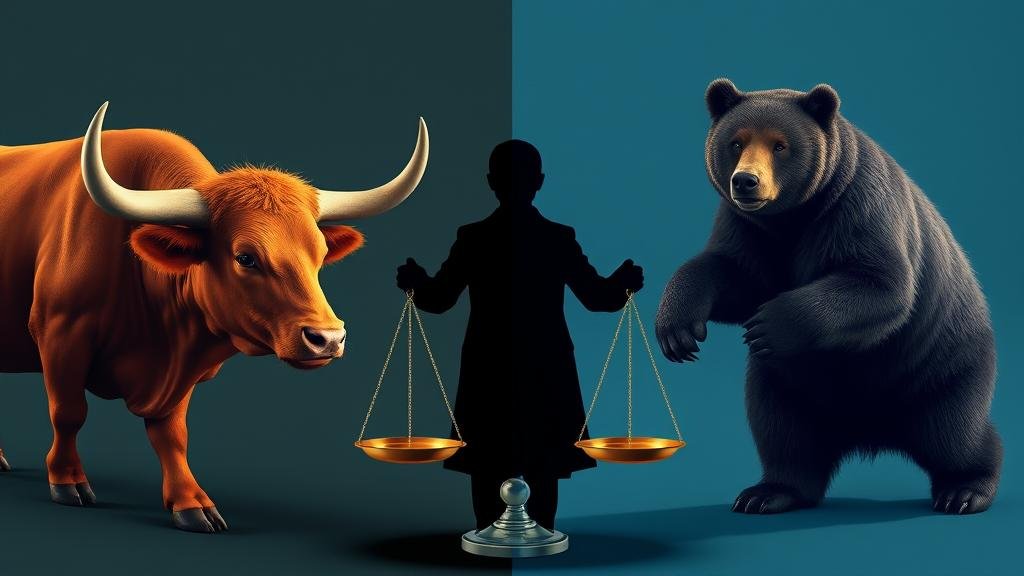
A High-Stakes Decision in a Pivotal Moment
The Federal Reserve, or “the Fed,” is the central bank of the United States. Its primary objectives are to foster maximum employment and maintain stable prices, shielding the economy from rampant inflation. The Fed Chair leads the committee responsible for setting the federal funds rate, the benchmark for interest rates on everything from mortgages to credit cards.
Following a period of aggressive rate hikes to curb inflation, the economy is at a delicate juncture. With discussions of potential rate cuts on the horizon, the choice of the next Chair is more critical than ever. This leader will navigate the complex challenge of sustaining economic growth while keeping inflation in check.
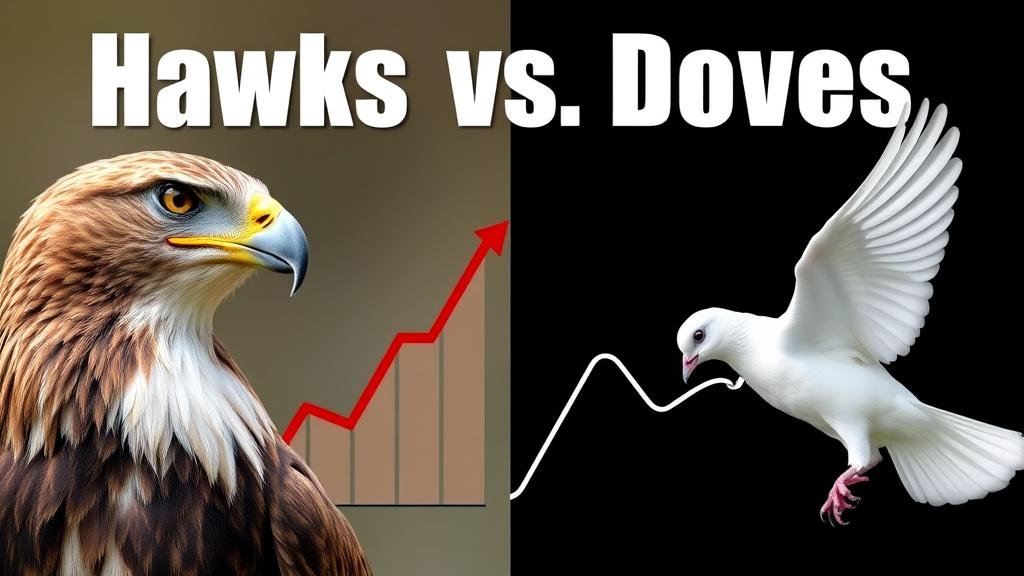
The Contenders: Economic Hawks vs. Doves
The candidates for Fed Chair are typically categorized as “hawks” or “doves,” reflecting their approach to monetary policy.
- Doves favor lower interest rates to stimulate economic activity, promoting job growth and borrowing. A dovish Chair could lead to more affordable loans and mortgages.
- Hawks prioritize controlling inflation and advocate for higher interest rates to prevent the economy from overheating. A hawkish Chair might mean better returns on your savings but higher borrowing costs.
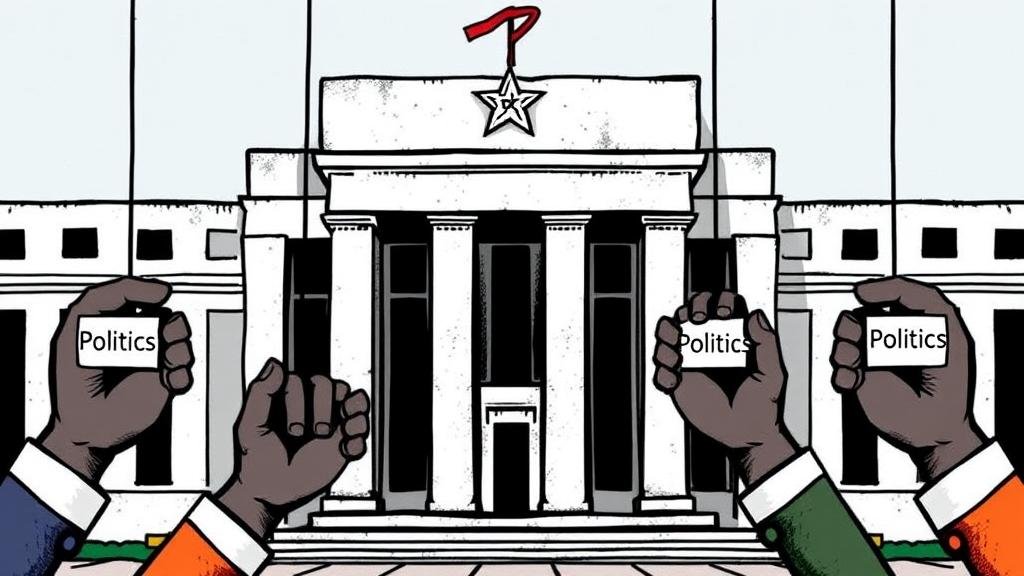
The Political Element: A New Candidate Emerges
The selection process has a new variable: former President Trump’s endorsement of his past economic advisor, Kevin Hassett. Hassett is known for his pro-growth stance, adding a political dimension to the appointment.
The Fed is designed to be an independent entity, making decisions free from political influence. The introduction of a politically-aligned candidate raises questions about the future of Fed independence, a cornerstone of its credibility.

What This Means for Your Finances
Here’s a practical guide to how the next Fed Chair’s policies could directly impact your financial life:
Mortgage Rates
If you’re looking to buy a home or refinance, the new Chair’s policy will be crucial. A rate-cutting dove could cause mortgage rates to fall, making homeownership more accessible. A hawk, however, might keep rates elevated to fight inflation.
Credit Cards and Loans
Your credit card’s APR is closely tied to the Fed’s benchmark rate. A dovish Chair could lower borrowing costs, providing relief for those with credit card debt. A hawkish stance would likely keep these rates high.
Savings and Investments
Savers have recently benefited from higher interest on savings and investments. A hawk would likely continue this trend, while a dove might reduce rates, affecting the returns on high-yield savings accounts. For investors, lower rates can fuel the stock market, but market stability often prefers the predictability of a hawk over an unpredictable dove.
The Job Market
The Fed must balance promoting high employment without triggering inflation. A Chair focused on growth could foster a strong job market. Conversely, a Chair who raises rates to combat inflation could slow economic growth, potentially impacting employment.
Conclusion: A New Direction for the American Economy
The selection of the next Federal Reserve Chair is more than a political appointment; it sets the course for the national and global economy. This individual will hold immense power over your finances, from your mortgage payments to your job security. As the decision nears, we will continue to provide analysis on what it means for you, your wallet, and the future of economic policy.