Nvidia’s Wild Ride: The AI Gold Rush, a $300B Panic, and What’s Next
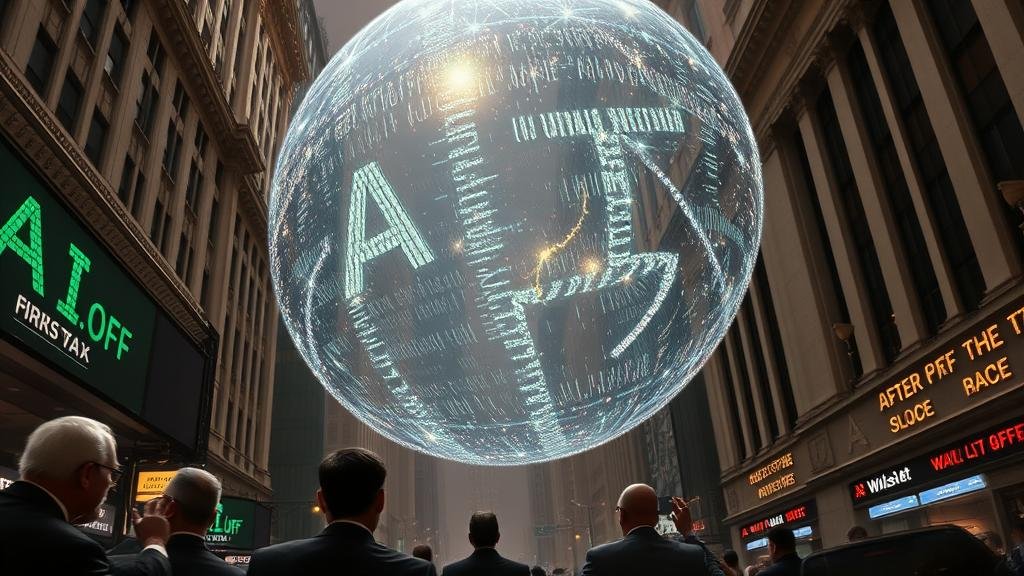
The AI Revolution’s Darling: Why Nvidia’s Stock Forecast Matters
To get why a single tech company’s bad day can give the entire stock market a scare, you need to understand why Nvidia is the center of the AI revolution. For a long time, Nvidia was the niche brand for PC gamers, making the graphics cards (GPUs) that rendered video games in stunningly realistic detail.
These GPUs were masters of “parallel processing”—solving millions of math problems at once. As it turns out, this is the same horsepower needed to train the large AI models behind technologies like ChatGPT. Suddenly, Nvidia wasn’t just for gaming. It was providing the essential tools for the AI Gold Rush. Every tech giant, from Microsoft to a garage startup building an AI to butter your toast, clamored for Nvidia’s hardware. Their stock price soared, setting the stage for a dramatic reckoning. A closer look at any Nvidia (NVDA) stock AI rating & analysis would have shown the incredible growth, but also the looming volatility.
Decoding the Panic: Anatomy of a $300 Billion Sell-Off
A stock doesn’t lose the value of a small country’s GDP overnight without reason. This was a perfect storm of investor anxiety, sky-high expectations, and a few worrying signs for the stock market.
The Shadow of an AI Bubble
For months, Wall Street has been whispering about a potential AI bubble. This happens when hype around a new technology inflates its value beyond reality, driven by dreams of future profits rather than current performance. The fear is a replay of the dot-com bust of the early 2000s.
The anxiety spiked when reports revealed that Peter Thiel’s hedge fund, considered “smart money” in the tech world, had sold off its Nvidia holdings. When savvy investors quietly exit, it’s a major red flag for others, hinting at concerns over things like hardware depreciation and long-term value.
The Weight of Extreme Expectations
The immediate catalyst was Nvidia’s quarterly earnings report. The market was anticipating a massive swing in value, with some analysts predicting a $320 billion shift based on the results.
This tells us two things:
- Uncertainty Was Rampant: Investors were unsure if Nvidia would continue its meteoric rise or finally stumble.
- Perfection Was Priced In: The stock was so high that anything short of a spectacular performance could trigger a crash.
Many investors decided to cash in their winnings before the report, taking profits off the table rather than betting on another miracle.
Broader Stock Market Headwinds
You can’t ignore the global economic climate. High interest rates, geopolitical instability, and a general “risk-off” sentiment are pushing investors away from volatile stocks like Nvidia and toward safer assets.
Is the AI Gold Rush Over?
So, is this the end of the line for the AI Gold Rush, or just a necessary correction?
The Bull Case (The Party’s Just Getting Started)
The optimistic view is that the fundamentals remain strong. Enterprise AI adoption is still in its early stages. Nvidia continues to produce the most powerful AI chips, and demand is high. From this perspective, the sell-off was a healthy market correction, shaking out speculators and creating a more stable foundation for future growth.
The Bear Case (A Storm Is Brewing)
The pessimistic view is that valuations became detached from reality. Competition is on the rise, with rivals like AMD and Intel entering the fray. Moreover, major customers like Google and Amazon are developing their own custom chips, a move that could disrupt Nvidia’s market dominance. This sell-off is seen as a warning that the days of easy growth are numbered. The recent news about the “Nvidia-Google AI Chip Rivalry” escalating is a testament to this.
What This Means for You
For investors, this is a stark reminder of the importance of diversification. Putting all your eggs in one high-flying basket is a recipe for anxiety.
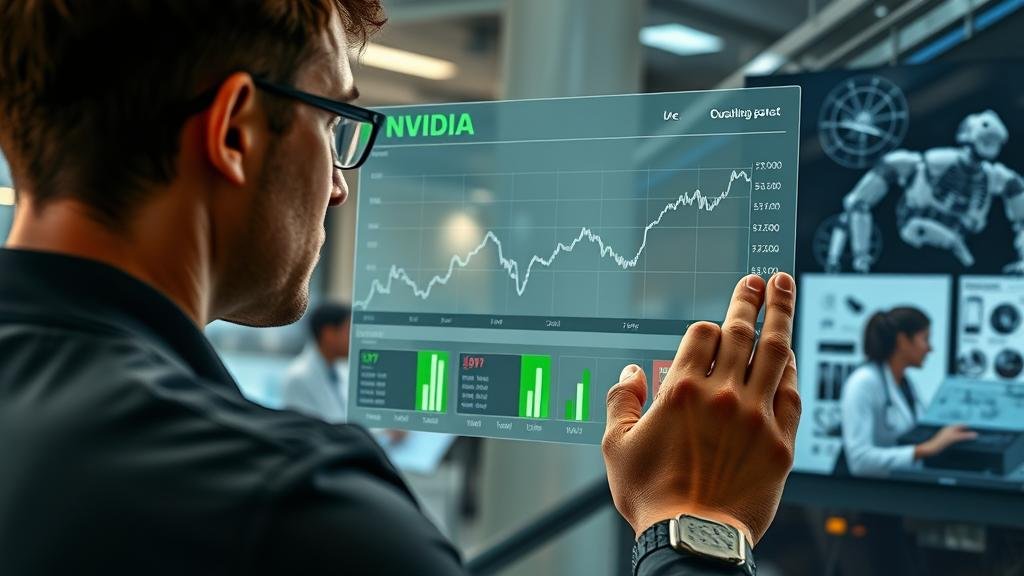
For everyone else, Nvidia’s journey matters because it’s a barometer for the entire tech sector. Its performance affects the broader stock market, your retirement fund, and the development of new technologies. The fate of a company that started in gaming can indeed have a real-world impact on your real life. The future of artificial intelligence is unfolding before our eyes, and it’s bound to be a rollercoaster.