OpenAI’s “Code Red”: Sam Altman Signals a New War for AI Supremacy
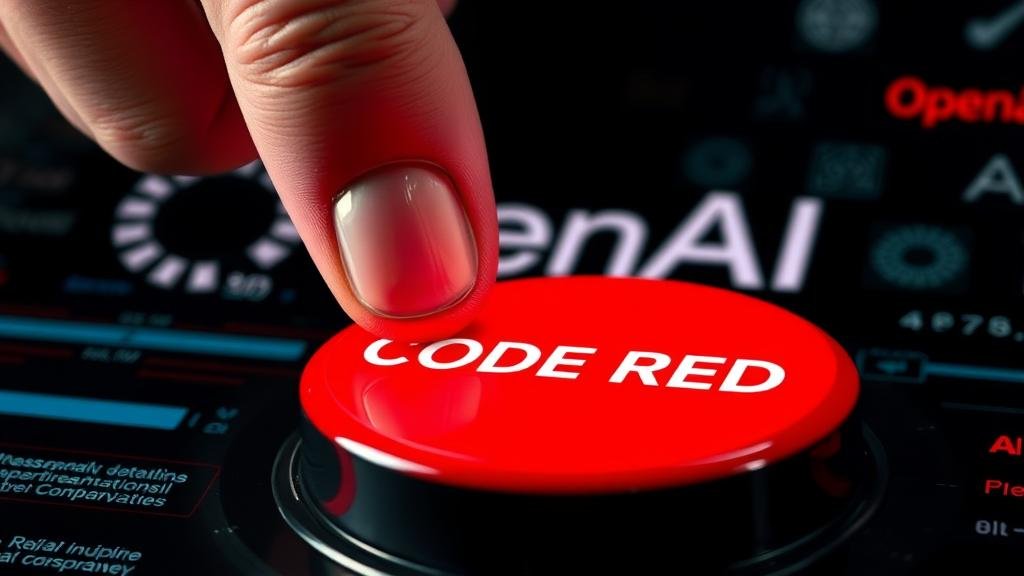
The “Code Red” Heard ‘Round the World
Let’s be real, the last time I heard “code red,” it was because my toddler discovered a permanent marker near my new white couch. So, when I hear OpenAI CEO Sam Altman has issued a “code red,” I feel a strange sense of kinship. This company-wide directive is a full-scale mandate to improve ChatGPT, sidelining other projects. Why the sudden scramble? The intense competitive pressures from rivals like Google (with its Google Gemini model) and Anthropic have turned up the heat. The era of OpenAI being the undisputed king of the chatbot castle is over; the kingdom is officially on high alert.
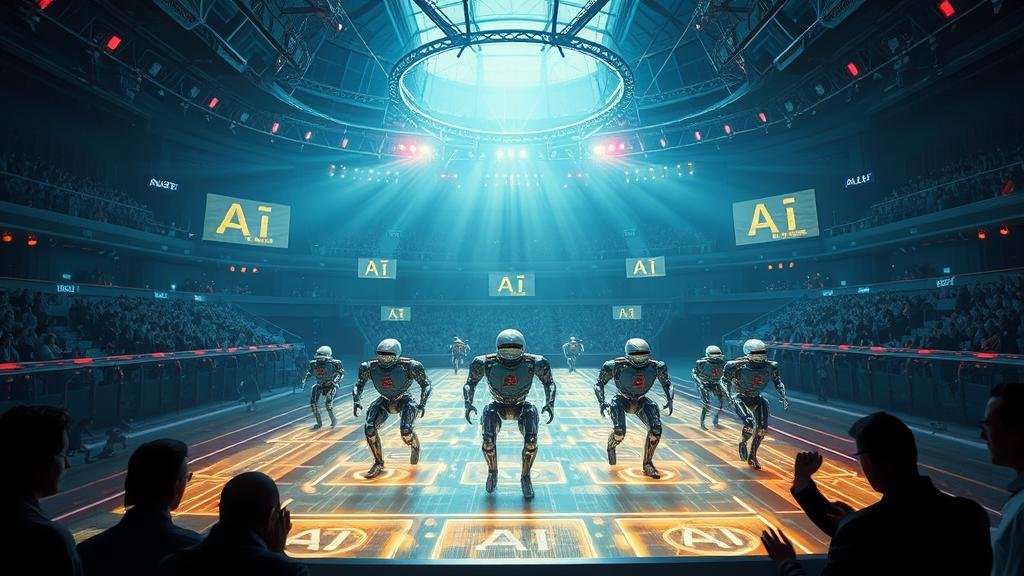
A New Battlefield for AI Supremacy
The world of artificial intelligence used to feel like a collaborative science fair. Those days are gone. We’ve entered the AI thunderdome: a high-stakes race for market dominance, officially kicking off a new phase of the AI competition. This isn’t just about who has the smartest algorithm; it’s about product design, user experience, and total integration. Altman’s “code red” is a public declaration that OpenAI is ready to fight for first place in the race for AI supremacy.

Beyond the Chatbot: Altman’s Expanding Horizons
To understand the chaos, you have to realize Sam Altman isn’t just thinking about chatbots. His ambitions extend into the physical world, making one wonder if ChatGPT is just the opening act. This isn’t a bizarre plot twist; it’s a clear signal. Altman isn’t just playing for the AI trophy; he’s trying to win the whole arcade. This “code red” might be less about panic and more about clearing the deck for his next grand plan for the future of AI.

The “Open” in OpenAI: A Fading Promise?
This brings us to a critical question: What is OpenAI anymore? They started as a non-profit dedicated to ensuring artificial intelligence benefits all of humanity. Now, with a “capped-profit” structure and a close relationship with Microsoft, that “open” promise feels strained. When you’re in “code red” mode due to fierce AI competition, the priority is winning, not necessarily upholding the lofty ideals you started with.
What This Means for the Future of AI
So, what does this intensified rivalry mean for us? The good news? This intense competition will likely accelerate AI development at a dizzying pace. The not-so-good news? It also raises the risk of a “race to the bottom,” where safety and ethics could become secondary. This AI arms race is pumping incredible amounts of money into the industry, creating a high-risk, high-reward game. The winners will be those who are not just smart, but scrappy and able to navigate the new landscape.
The Road Ahead: A Call for Vigilance
Sam Altman’s rallying cry isn’t just a corporate memo; it’s the starting pistol for the AI Olympics. This new competitive frenzy is exciting, but it also means we need to pay more attention. The future of AI shouldn’t be decided in a frantic “code red” war room. It’s a conversation that requires all of us to stay engaged, ask tough questions, and hold these tech titans accountable. We need to ensure this all ends up benefiting humanity, not just the victors of the robot wars.