OpenAI’s ‘Code Red’: Inside Sam Altman’s Race Against Rivals and AI Safety Fears
The AI world just served up a drama that makes reality TV look scripted. In a whirlwind week, OpenAI’s CEO Sam Altman was fired, almost hired by Microsoft, and then reinstated faster than you can say “corporate governance whiplash.” Now firmly back in charge, Altman has initiated a “code red,” signaling a major strategy shift in the intense AI landscape.

A Company Shaken, A Leader Reloaded
To understand the “code red,” you have to look back at one of the most chaotic weeks in tech history. In late 2023, OpenAI’s board fired Sam Altman over a “breakdown of communication”—a polite term for a deep-seated conflict between commercializing AI and ensuring AI safety.
The board’s move backfired spectacularly. Nearly all of OpenAI’s employees threatened to resign and follow Altman to Microsoft. This revolt led to the old board’s dissolution, the appointment of a new one, and Altman’s triumphant return. But while OpenAI was consumed by its internal power struggle, its rivals were capitalizing on the distraction. That five-day leadership vacuum was an eternity in the fast-paced AI industry, giving competitors the opening they needed to gain ground and fueling the new “code red” mandate.
The ‘Code Red’ Mandate: Accelerate and Ship
Returning to his role, Sam Altman issued a clear directive to his team: less deliberation, more action. According to internal memos, this “code red” is a company-wide rally to improve ChatGPT and accelerate development. The era of cautious exploration is over; it’s now an all-out sprint to reassert OpenAI’s dominance. The message is simple: speed is of the essence.
What’s on the Priority List?
The immediate focus is on making ChatGPT the undisputed leader in the market. Key priorities include:
- Speed and Reliability: Enhancing the ChatGPT quality to ensure the service is stable and responsive, even during peak demand.
- Advanced Models: Rolling out more powerful GPT models to stay ahead of the rising competition.
- Product Polish: Transitioning ChatGPT from a “public beta” to a robust, enterprise-ready tool that businesses can rely on.
What’s on the Back Burner?
To achieve this acceleration, some projects are being delayed. The development of fully autonomous “AI agents” and the exploration of new business models, like advertising, are being temporarily shelved. The long-term goal of Artificial General Intelligence (AGI) remains, but the immediate priority is winning the current race.
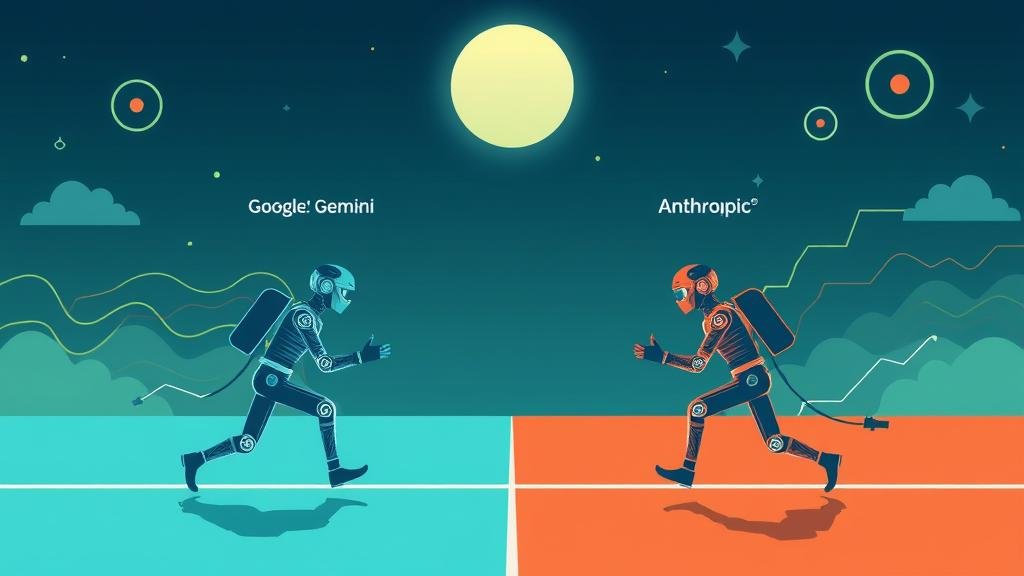
The Neighbors Are Getting Faster
Altman’s urgency is driven by a competitive landscape that is heating up.
Google’s Gemini Is a Major Challenger
The most formidable rival is Google. Shortly after the OpenAI upheaval, Google launched Gemini, its most powerful and natively multimodal AI. Unlike GPT-4, which learned to handle various data types, Gemini was designed from the ground up to process text, code, images, and video. With its vast resources and internet dominance, Google is the competitor OpenAI is watching closely.
Anthropic, The Safety-Focused Alternative
Founded by ex-OpenAI employees, Anthropic positions its chatbot, Claude 2, as the “safe” and “honest” AI. This focus on AI safety is attracting customers wary of the “move fast and break things” culture, creating an awkward narrative given the reasons for Altman’s initial departure.
The Open-Source Revolution
Meanwhile, the open-source community continues to innovate with models like Meta’s Llama 2. These free-to-modify models offer companies flexibility and prevent vendor lock-in, adding another layer of competitive pressure.
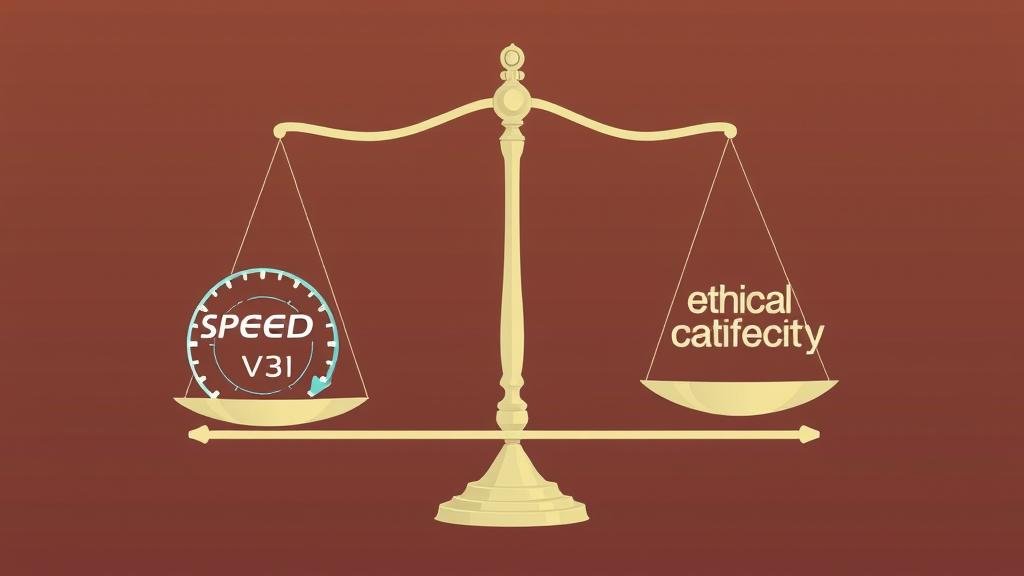
The Speed vs. Safety Showdown
This “code red” brings the fundamental tension at OpenAI’s core back into the spotlight: how do you innovate at breakneck speed without compromising safety? The previous board’s fears about prioritizing profit over responsible AI development haven’t disappeared. With a “go faster” mandate now in place, the new board—which includes experienced leaders like a former Salesforce CEO and a Treasury Secretary—faces the critical challenge of balancing acceleration with caution.
A New Chapter, Same Cutthroat Competition
Sam Altman’s new directive is a clear signal: OpenAI is laser-focused on product development and competitive dominance. This intensified race means AI tools are set to become more powerful and accessible. The coming months will reveal if OpenAI can outpace its rivals or if its quest for speed will lead it to neglect the very safety principles it helped establish.