UK Orders Full School Phone Ban; Phillipson Sets New Rules
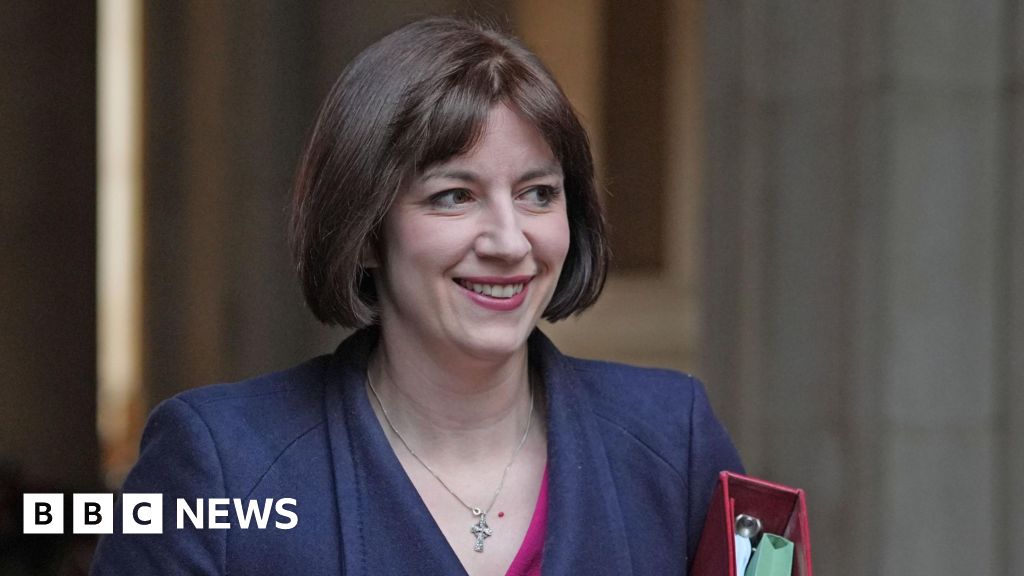
Ban phones throughout the school day, Phillipson tells teachersImage Credit: BBC News
Key Points
- •LONDON – In a significant escalation of the UK's policy on digital devices in education, Education Secretary Bridget Phillipson has directed all schools in England to enforce a complete ban on mobile phone use by pupils throughout the entire school day. The new, strengthened guidance extends the prohibition beyond lessons to include break times and lunch, with the schools inspectorate, Ofsted, tasked with overseeing its implementation.
- •Scope of the Ban: The directive is explicit that pupils should not use their phones at any point during the official school day. This includes all lesson times, break periods, and lunchtime, effectively creating a "gate-to-gate" ban.
- •Enforcement Mechanism: In a pivotal change, Ofsted will now include the implementation of a school's mobile phone policy as part of its inspection process. This adds significant weight to the guidance, as Ofsted reports are critical to a school's public standing and leadership's tenure.
- •Teacher Conduct: The guidance extends to staff, advising teachers and school employees not to use their personal mobile devices for non-work-related reasons in front of pupils. The aim is to model the desired behaviour and maintain a professional environment focused on education.
- •Wider Policy Context: The announcement comes just under a week after the government launched a three-month consultation on a potential UK-wide ban on social media access for all individuals under the age of 16.
Ban phones throughout the school day, Phillipson tells teachers
LONDON – In a significant escalation of the UK's policy on digital devices in education, Education Secretary Bridget Phillipson has directed all schools in England to enforce a complete ban on mobile phone use by pupils throughout the entire school day. The new, strengthened guidance extends the prohibition beyond lessons to include break times and lunch, with the schools inspectorate, Ofsted, tasked with overseeing its implementation.
The move signals a more forceful government stance on tackling classroom distraction and promoting student well-being, shifting from previous recommendations to a more explicit and inspectable mandate. In a letter sent to school leaders and seen by the BBC, Ms. Phillipson stated the government's clear position that it is "not appropriate for phones to be used as calculators, or for research during lessons."
This directive represents a hardening of the policy first introduced by the previous Conservative government in February 2024. Ms. Phillipson argued that the earlier guidance "did not deliver the clarity or consistency that schools need," necessitating a more robust framework to ensure a uniform, phone-free environment for learning across the country.
The New Government Mandate
The "strengthened" guidance issued last week moves beyond simple advice, creating a clear expectation for school leadership and a new metric for regulatory oversight. The policy's core components aim to create a zero-tolerance environment for personal device use during school hours.
-
Scope of the Ban: The directive is explicit that pupils should not use their phones at any point during the official school day. This includes all lesson times, break periods, and lunchtime, effectively creating a "gate-to-gate" ban.
-
Enforcement Mechanism: In a pivotal change, Ofsted will now include the implementation of a school's mobile phone policy as part of its inspection process. This adds significant weight to the guidance, as Ofsted reports are critical to a school's public standing and leadership's tenure.
-
Teacher Conduct: The guidance extends to staff, advising teachers and school employees not to use their personal mobile devices for non-work-related reasons in front of pupils. The aim is to model the desired behaviour and maintain a professional environment focused on education.
A Shifting Political Landscape
The policy arrives amid a growing, cross-party consensus on the need to address the impact of digital technology and social media on young people. While the Labour government's approach is more prescriptive than its predecessor's, it builds upon a foundation of shared concern.
The previous Conservative administration issued non-statutory guidance in February 2024 that encouraged schools to ban phones but stopped short of a direct mandate or an enforcement mechanism involving Ofsted. Ms. Phillipson's new policy is a direct response to what her department perceives as the shortcomings of that approach.
This move is part of a broader government strategy targeting youth digital consumption.
-
Wider Policy Context: The announcement comes just under a week after the government launched a three-month consultation on a potential UK-wide ban on social media access for all individuals under the age of 16.
-
Cross-Party Alignment: The push for stricter controls is not confined to one party. Kemi Badenoch, the Conservative leader, has previously stated that her party would introduce a social media ban for under-16s if it were in power, indicating a shared political direction on the issue.
-
Call for Professional Insight: The Education Secretary has explicitly encouraged teachers and school leaders to participate in the social media consultation, asking them to "contribute your professional insight" to the wider debate.
Ofsted's Role Sparks Controversy
The decision to enlist Ofsted as the enforcer of mobile phone policies has proven to be the most contentious element of the new guidance, drawing immediate criticism from school leaders.
For schools, Ofsted inspections are high-stakes events that can determine their official rating, from "Outstanding" to "Inadequate." The inclusion of phone policy adherence as an inspection point transforms it from a matter of school-level discretion into a compliance issue with significant consequences.
- Union Backlash: One head teachers' union swiftly condemned the move, stating that using Ofsted to "police" schools' mobile phone policies was "deeply unhelpful and misguided." Union leaders argue that this adds an unnecessary bureaucratic burden and undermines the professional judgment of head teachers to set policies appropriate for their specific school environments.
Staff Phone Use Under Scrutiny
The new guidance also places a spotlight on the behaviour of adults within the school system, aiming to set a clear example for pupils. The advice for teachers to refrain from personal phone use in front of students highlights a desire for consistency.
Recent survey data from Teacher Tapp provides a snapshot of the current landscape regarding staff phone use, revealing a wide variance in existing school policies.
-
Primary School Norms: Research suggests 86% of primary school teachers are permitted to use their personal phones at school, but typically only during break times.
-
Secondary School Policies: The rules appear more relaxed in secondary education, where 44% of teachers reported being allowed to use their phones freely throughout the day.
-
Outright Staff Bans: Total bans on staff phone use remain exceptionally rare. Only 2% of teachers surveyed in both primary and secondary schools said their workplace completely prohibited staff from using personal phones during the school day.
Implications and Next Steps
The government's definitive stance sets the stage for a period of significant adjustment within England's education system. Schools that currently allow limited phone use will need to rapidly adapt their policies and communication strategies to align with the new, explicit directive.
The primary challenge will be implementation and enforcement, both for pupils and staff. The success of the policy will hinge on the ability of school leaders to manage this change effectively while navigating the added pressure of Ofsted scrutiny.
Looking ahead, the focus will be on three key areas: how schools integrate this new mandate, how Ofsted interprets and applies it during inspections, and how this policy interacts with the outcome of the broader consultation on a social media ban for under-16s. Together, these initiatives represent one of the most concerted efforts by a UK government to date to redraw the boundaries between children and the digital world.
Source: BBC News
Related Articles
ARRY Stock Sinks Despite Market Gains: What to Know
Array Technologies (ARRY) stock declined 2.5% in the latest session, contrasting with market gains. Find out why the solar stock fell and what it means for inve
Jay Vine Wins Tour Down Under 2026 After Kangaroo Crash
Australian cyclist Jay Vine secures the overall victory at the 2026 Tour Down Under despite a dramatic final-stage crash involving a kangaroo.
Trump's New Defense Strategy: Allies Must Fund Own Security
The Trump administration's new National Defense Strategy realigns US policy, demanding allies assume primary responsibility for their own security and defense c
S&P 500's Flawless Forecaster Flashes Major Warning
A market indicator with a perfect 69-year track record, a surge in margin debt, is flashing its most serious warning of a downturn since the 2008 crisis.