Political Instability vs. Your Portfolio: Is a ‘Bad Vibe’ the Biggest Threat to the US Economy?
Let’s talk about the vibe-cession. What if the biggest threat to your portfolio isn’t a bear market, but a pervasive feeling of political instability?
Your investments are built on trust—trust that the economic rules are firm and the referees are impartial. But when governance gets… creative, it’s like adding a wildcard to an already shaky Jenga tower of investor confidence.
Here at Creditnewsinsider, we analyze all the threats to your money, especially the slow-burning ones. While daily stock market volatility gets the headlines, it’s the quiet erosion of political norms that can quietly drain your portfolio. This isn’t about political parties; it’s about your financial well-being. As Biztoc.com bluntly put it, America’s economy is at risk of becoming a system of “crony capitalism.” That’s the fear that if ethical standards take a nosedive, they could drag the U.S.’s reputation as the world’s most desirable place to invest down with them.
So, what’s the long-term cost of this uncertainty, and how could a shaky ethical compass impact everything from your 401(k) to the housing market?
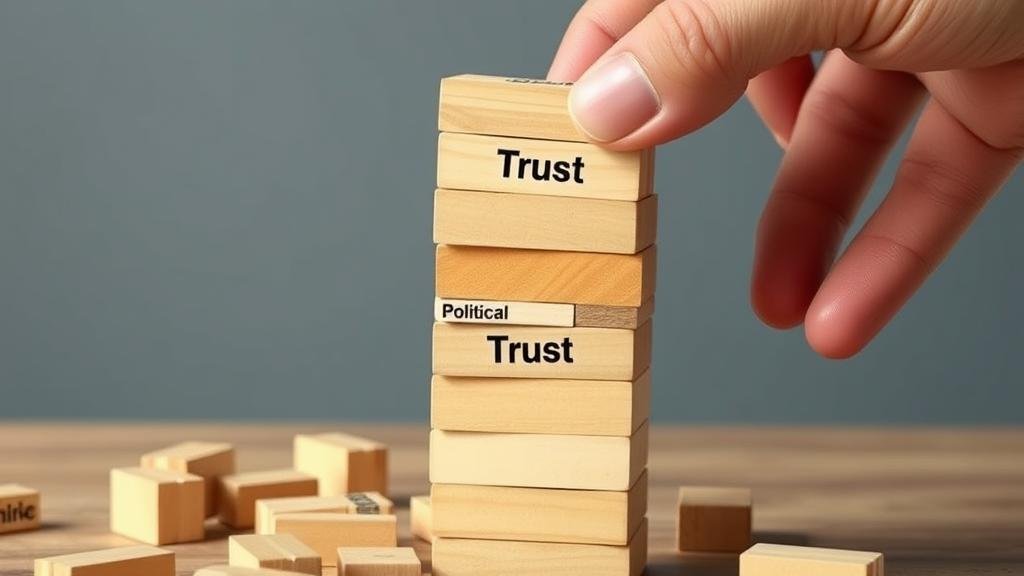
The Erosion of Trust: Why the Market Hates Uncertainty
Investing is fundamentally an act of faith. You’re trusting the system to be fair and predictable. Ethical governance is the bedrock of that faith.
Ainvest.com draws a direct line from “Trump-Era Governance and Market Trust,” highlighting how political antics can torpedo investor confidence. When that confidence wavers, and the line between public service and self-enrichment blurs, markets get jumpy. This isn’t just a feeling; it can lead to foreign investors pulling their capital and a “risk premium” being slapped on U.S. assets. In simple terms, if investors feel they’re navigating a political drama, they’ll demand higher returns for the risk, pushing asset prices down.
The concern is the systemic weakening of institutions—the Fed, the courts, regulators—that are supposed to ensure a level playing field. Think of them as guardrails on a mountain road. If you doubt they’ll hold, you’ll drive a lot more cautiously.
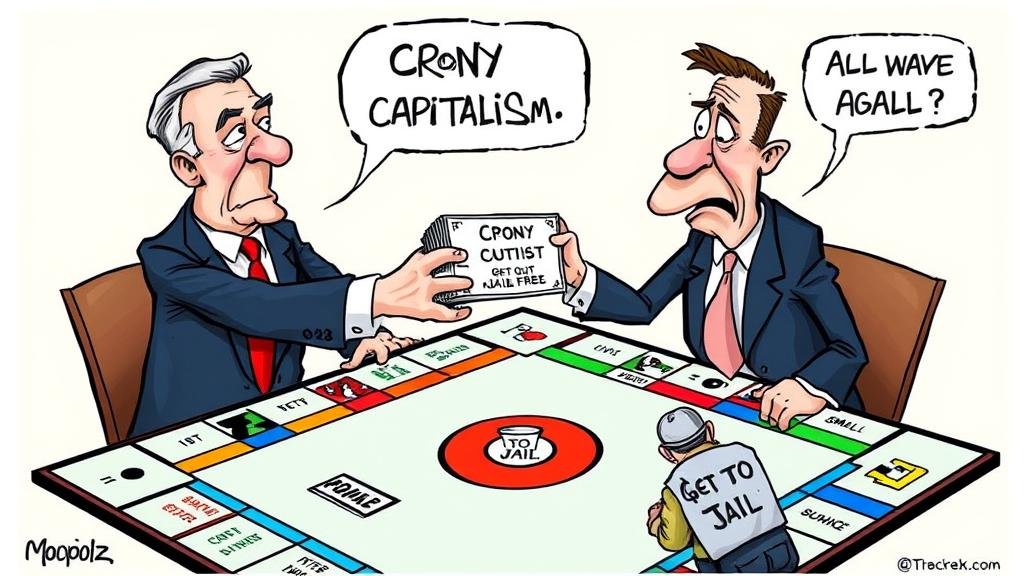
Crony Capitalism and Its Economic Ripple Effects
A major fear for any investor is “crony capitalism.” It’s an economic system where success hinges on who you know, not on the value you create.
Imagine the government needs new office chairs. Company A makes a superior chair at a fair price. Company B makes a wobbly one, but its CEO is friends with a key politician. If Company B gets the contract, taxpayers overpay for an inferior product, and investors in Company A are left wondering why their stock just plummeted. It’s no longer about the best product winning; it’s about the best-connected person winning.
This is where economic dynamism dies. It stifles the healthy cycle of innovation and competition. Over time, an economy based on connections becomes less competitive and less trustworthy. And if ordinary people start to believe the game is rigged? They’re less likely to participate, as either investors or entrepreneurs, leading to a decline in stock market returns.
The Blurring of Lines: When the President is Also a Brand
The unprecedented situation of a president retaining a sprawling business empire created a new layer of conflict of interest.
When a foreign government or a major corporation books a block of rooms at a Trump-branded hotel, it raises a question: is it for the amenities, or is it to curry favor with the administration? This uncertainty itself distorts the market, creating an uneven playing field.
This introduces a concept that makes financial advisors nervous: “political risk.” As Ainvest.com noted, it’s an unwelcome new factor in due diligence. How do you value a company that might be getting a secret boost from political connections? How do you assess a business competing against the President’s family enterprise? Suddenly, your investment research has to include tracking political guest lists, not just profit margins.
The Danger of “Gut-Feeling” Policymaking
Another source of investor anxiety is major policy announcements made without formal review, like a late-night tweet. A prime example, as pointed out by GoBankingRates.com, was the proposal of a 50-YEAR MORTGAGE.
While housing affordability is a valid concern, casually floating an idea that could upend the entire housing and banking sector is the financial equivalent of a pilot announcing a “shortcut” through a thunderstorm. The real estate and finance industries are built on long-term predictability. A sudden jolt like that could cause massive ripples, affecting everything from mortgage-backed securities to bank stability.
Even though the 50-year mortgage didn’t happen, the fact that it was floated so informally signaled a governance style based on impulse rather than data. This unpredictability is brutal for certain sectors. Tariffs appearing with little warning, for example, created chaos for companies with global supply chains. This “policy-induced whiplash” gives investors a serious case of whiplash and increases market volatility.
The Bottom Line: What This Means for Your Money
So, what does this all mean for your investments? Before you liquidate your 401(k) to start an alpaca farm, let’s break down the risks and a strategic approach.
The Potential Costs:
- Increased Market Volatility: An unpredictable political landscape leads to a jumpy market.
- Reduced Foreign Investment: The U.S. has long been a safe haven for global capital. If that perception changes, capital may flow elsewhere, putting downward pressure on stocks and the dollar.
- A “Complexity Premium”: Time spent analyzing political drama is a direct cost that eats into your returns.
- Dollar Devaluation: A worst-case scenario involves a major loss of faith in U.S. institutions, weakening the dollar and leading to higher prices and reduced purchasing power.
Your Strategy:
- Diversify, Diversify, Diversify: It’s timeless advice for a reason. Spread your investments across different asset classes and geographic regions to mitigate political risk.
- Do Your Political Homework: Understand the political exposure of your investments. Is a company in an industry sensitive to policy whims or trade wars?
- Stay Informed, Not Glued: Follow reliable financial news (like us!), but avoid making panicked decisions based on every headline.
- Focus on the Long Term: Political cycles come and go. Sound investing principles are enduring. Keep your eyes on your long-term goals and avoid being swayed by short-term market fluctuations.