Republicans & Democrats Reach Funding Deal, Avert Shutdown
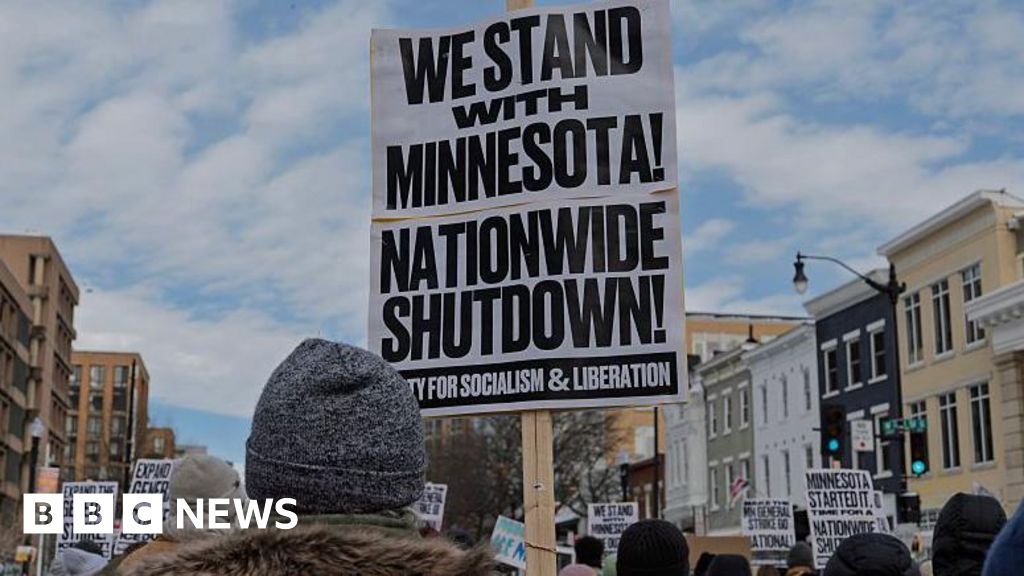
Republicans and Democrats reach funding package deal, US president saysImage Credit: BBC News
Key Points
- •Washington D.C. – Congressional leaders from both parties have reached an agreement on a major government funding package, according to a statement from the US president, averting a partial shutdown for the majority of federal agencies just days before a critical deadline. The deal provides full-year funding for six key government areas, but punts the most contentious debate—funding for the Department of Homeland Security—to a later date with a short-term extension.
- •Full-Year Funding: The core of the deal is a "minibus" package that funds a wide swath of the federal government until September 30. This provides stability for departments responsible for everything from food safety and scientific research to federal law enforcement and infrastructure projects.
- •Short-Term Extension: The Department of Homeland Security (DHS) will be funded via a separate, short-term continuing resolution (CR). This temporary measure keeps the department operational while negotiators continue to haggle over contentious issues, primarily related to border security and immigration policy.
- •Deadline Averted: This agreement prevents a partial shutdown that was set to begin after March 8 for the agencies now covered by the full-year deal. The new deadline for the DHS funding fight is now March 22.
- •Presidential Focus: The post added that the deal provides "an extension to the Department of Homeland Security (including the very important Coast Guard, which we are expanding and rebuilding like never before)."
Republicans and Democrats reach funding package deal, US president says
Washington D.C. – Congressional leaders from both parties have reached an agreement on a major government funding package, according to a statement from the US president, averting a partial shutdown for the majority of federal agencies just days before a critical deadline. The deal provides full-year funding for six key government areas, but punts the most contentious debate—funding for the Department of Homeland Security—to a later date with a short-term extension.
The breakthrough signals a significant, if temporary, de-escalation in the fiscal battles that have defined a divided Congress. The agreement covers funding through the end of the fiscal year on September 30 for departments including Agriculture, Commerce, Justice, Energy, Transportation, and Housing and Urban Development. This ensures operational certainty and removes the immediate threat of economic disruption that a shutdown would entail.
While the full text of the massive spending bill has yet to be released, the announcement from the White House confirms that a bipartisan consensus has been forged on the bulk of the government's discretionary budget. The focus now shifts to passing the legislation through both the House and Senate before the March 8 deadline.
The Deal at a Glance
The newly brokered agreement is structured in two parts: a comprehensive, long-term package for most agencies and a stopgap measure for the most politically sensitive department.
-
Full-Year Funding: The core of the deal is a "minibus" package that funds a wide swath of the federal government until September 30. This provides stability for departments responsible for everything from food safety and scientific research to federal law enforcement and infrastructure projects.
-
Short-Term Extension: The Department of Homeland Security (DHS) will be funded via a separate, short-term continuing resolution (CR). This temporary measure keeps the department operational while negotiators continue to haggle over contentious issues, primarily related to border security and immigration policy.
-
Deadline Averted: This agreement prevents a partial shutdown that was set to begin after March 8 for the agencies now covered by the full-year deal. The new deadline for the DHS funding fight is now March 22.
White House Confirms Bipartisan Accord
In a statement posted to social media, the president confirmed the successful outcome of the high-stakes negotiations, framing it as a victory for functional governance.
"Republicans and Democrats in Congress have come together to get the vast majority of the Government funded until September," the post read. The president emphasized the bipartisan nature of the compromise, a rarity in the current political climate.
The statement also specifically highlighted the temporary extension for DHS and the work of one of its key components.
- Presidential Focus: The post added that the deal provides "an extension to the Department of Homeland Security (including the very important Coast Guard, which we are expanding and rebuilding like never before)."
Averting Economic Disruption
Averting a government shutdown carries significant economic implications, providing relief to markets, federal employees, and the broader economy. Shutdowns, even partial ones, create costly uncertainty and logistical paralysis.
Past shutdowns have demonstrated clear negative impacts on the US economy. The Congressional Budget Office (CBO) has previously estimated that shutdowns can shave points off quarterly GDP growth, with effects that ripple through multiple sectors.
-
Federal Workforce: A shutdown would have resulted in the furlough of hundreds of thousands of federal employees, halting their paychecks and reducing household spending. Essential personnel would work without pay until the shutdown ends.
-
Government Services and Contracts: The delivery of government services, from processing loans to maintaining national parks, would have been disrupted. Furthermore, payments to government contractors would be delayed, straining small and large businesses that rely on federal contracts.
-
Market Confidence: While markets have become somewhat accustomed to fiscal brinkmanship, a prolonged shutdown can erode investor and consumer confidence, creating volatility and dampening economic activity.
The Unfinished Business: Homeland Security
The decision to separate DHS funding from the main package underscores the deep partisan divisions over immigration and border policy. This remains the single most challenging piece of the government funding puzzle.
Negotiations over the DHS budget have become a proxy for the national debate on border control. The upcoming talks leading to the new March 22 deadline are expected to be intense.
-
Republican Demands: Many House Republicans are pushing for policy riders that would implement stricter border security measures, increase funding for immigration enforcement, and potentially restrict asylum processes.
-
Democratic Priorities: Democrats, who control the Senate and the White House, are resistant to what they view as overly harsh or ineffective immigration policies. They are focused on funding for processing migrants, humanitarian aid, and what they term "smart" border security technology.
-
High Stakes: Failure to reach an agreement on DHS funding by the new deadline would lead to a shutdown of the agency, impacting the operations of Customs and Border Protection (CBP), Immigration and Customs Enforcement (ICE), and the Transportation Security Administration (TSA), among others.
What to Watch Next
The immediate priority for congressional leadership is to shepherd the six-bill funding package through both chambers and onto the president's desk for signature before the end of the week. This will require continued bipartisan cooperation, particularly in the narrowly divided House of Representatives.
Following that, all eyes will turn to the DHS negotiations. The two-week extension provides a brief window for appropriators to find a compromise on the most volatile issue in American politics.
Beyond the immediate deadlines, this agreement sets the stage for the next fiscal battle. Congress is already behind schedule on the Fiscal Year 2025 budget process, which is supposed to begin with the president's budget request. The lingering fights from the current fiscal year, combined with the pressures of an election year, suggest that the cycle of fiscal cliffs and last-minute deals is likely to continue.
Source: BBC News
Related Articles
ARRY Stock Sinks Despite Market Gains: What to Know
Array Technologies (ARRY) stock declined 2.5% in the latest session, contrasting with market gains. Find out why the solar stock fell and what it means for inve
India and the EU clinch the 'mother of all deals' in a histo
Jay Vine Wins Tour Down Under 2026 After Kangaroo Crash
Australian cyclist Jay Vine secures the overall victory at the 2026 Tour Down Under despite a dramatic final-stage crash involving a kangaroo.
Trump's New Defense Strategy: Allies Must Fund Own Security
The Trump administration's new National Defense Strategy realigns US policy, demanding allies assume primary responsibility for their own security and defense c