GOP Immigration Message Scrutinized After Mpls Backlash
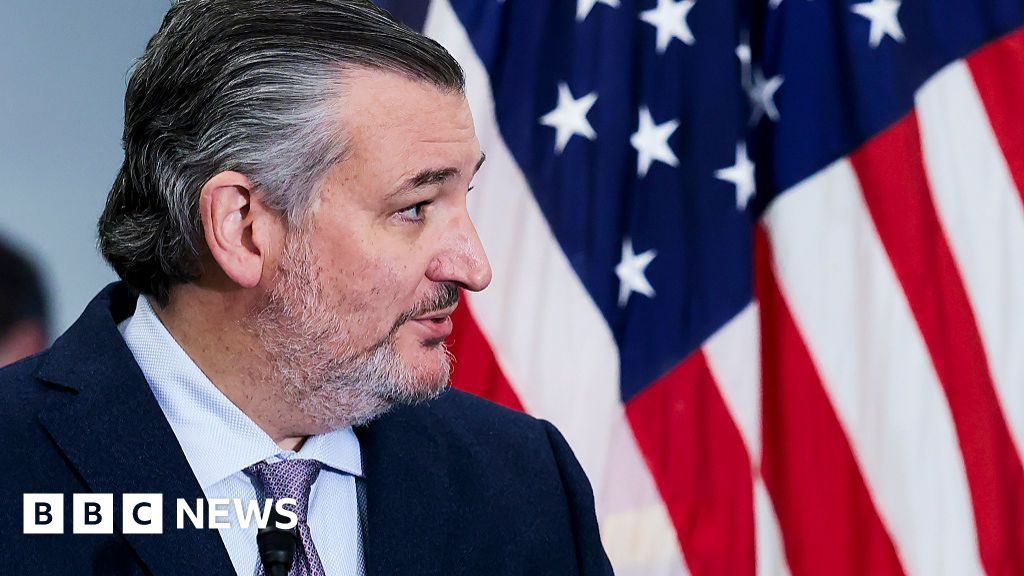
Republicans wrestle with immigration message after Minneapolis backlashImage Credit: BBC News
Key Points
- •The Backlash: A coalition of local business leaders, including the Minneapolis Regional Chamber of Commerce, issued a joint statement condemning the "divisive and economically counterproductive rhetoric." They highlighted the vital role immigrants play in the local economy, particularly in filling critical labor gaps in healthcare and logistics.
- •The Political Fallout: Moderate Republican officials in the state publicly distanced themselves from the remarks. National campaign strategists were forced into damage control, concerned that the incident could alienate swing voters in the city's affluent suburbs—a demographic the GOP has struggled to win back since 2016.
- •The Campaign's Response: The candidate's campaign initially doubled down, defending the comments as "telling the hard truth." However, within 48 hours, they pivoted to a more measured tone focusing on "illegal immigration and border security," a subtle but significant shift designed to de-escalate the situation.
- •Key Policies: The platform's appeal rests on tangible actions such as the construction of hundreds of miles of border wall, the implementation of the "Remain in Mexico" policy (Migrant Protection Protocols), and heightened enforcement by Immigration and Customs Enforcement (ICE).
- •Voter Resonance: For the GOP base, these policies represent a fulfillment of promises to secure the border, prioritize national sovereignty, and restore "law and order" to the immigration system. This record is seen as a clear success and a potent contrast to current administration policies.
Republicans Wrestle with Immigration Message After Minneapolis Backlash
A politically charged firestorm in Minneapolis has thrown a harsh spotlight on the Republican party's central strategic dilemma: how to harness the populist energy of Donald Trump's immigration record without alienating the moderate voters and business interests essential for a national victory. The recent backlash has forced a reckoning within the GOP, exposing deep fault lines between the party's hardline base and its more pragmatic, establishment wing.
Why it matters
The episode in Minneapolis is more than a local news story; it's a microcosm of the tightrope the Republican party must walk. The core challenge is to champion Trump-era policies on border security—which remain highly popular with conservative voters—while simultaneously distancing the party from the controversial rhetoric and actions that previously damaged its standing with suburbanites, independents, and the business community.
This balancing act is critical not only for electoral success but also for shaping future economic policy. The party's message on immigration directly impacts debates on labor shortages, inflation, and long-term economic growth, creating a high-stakes test of its ability to forge a cohesive platform.
The Minneapolis Catalyst
The controversy erupted last week during a rally for a prominent Republican Senate candidate. Seeking to energize the base, the candidate delivered remarks that were widely condemned for targeting Minneapolis's large Somali-American community, linking them to crime and economic drain. The response was swift and severe.
-
The Backlash: A coalition of local business leaders, including the Minneapolis Regional Chamber of Commerce, issued a joint statement condemning the "divisive and economically counterproductive rhetoric." They highlighted the vital role immigrants play in the local economy, particularly in filling critical labor gaps in healthcare and logistics.
-
The Political Fallout: Moderate Republican officials in the state publicly distanced themselves from the remarks. National campaign strategists were forced into damage control, concerned that the incident could alienate swing voters in the city's affluent suburbs—a demographic the GOP has struggled to win back since 2016.
-
The Campaign's Response: The candidate's campaign initially doubled down, defending the comments as "telling the hard truth." However, within 48 hours, they pivoted to a more measured tone focusing on "illegal immigration and border security," a subtle but significant shift designed to de-escalate the situation.
The Core Dilemma: Policy vs. Persona
The Minneapolis incident perfectly illustrates the central conflict defined by the Trump years. The party is wrestling with how to separate the policy from the persona, a task made difficult by the fact that both were intrinsically linked under the former president.
The Popular Platform
Most Republicans in Washington helped advance or vocally supported the Trump administration's immigration agenda. This record forms the bedrock of the party's current platform and is a powerful tool for mobilizing conservative voters.
-
Key Policies: The platform's appeal rests on tangible actions such as the construction of hundreds of miles of border wall, the implementation of the "Remain in Mexico" policy (Migrant Protection Protocols), and heightened enforcement by Immigration and Customs Enforcement (ICE).
-
Voter Resonance: For the GOP base, these policies represent a fulfillment of promises to secure the border, prioritize national sovereignty, and restore "law and order" to the immigration system. This record is seen as a clear success and a potent contrast to current administration policies.
The Perilous Rhetoric
The challenge lies with the rhetoric and controversial actions that accompanied these policies. While celebrated by some, they have proven toxic to the broader electorate and created friction with key economic stakeholders.
-
Contentious Actions: The "zero tolerance" policy that led to family separations at the border in 2018 created a significant and lasting public relations crisis that alienated many moderate and independent voters.
-
Economic Friction: Broad-stroke restrictions and inflammatory language often run counter to the needs of the U.S. economy. Business groups have consistently warned that a haphazard crackdown on immigration, without a functional legal alternative, exacerbates labor shortages and stifles growth.
Economic Fault Lines Exposed
From a financial and economic perspective, the GOP's internal debate on immigration is a conflict between populist sentiment and market reality.
-
Labor Market Pressures: The U.S. is facing a structural labor shortage, with millions of unfilled jobs, particularly in agriculture, construction, hospitality, and elder care. Analysts from across the political spectrum acknowledge that immigration is a key component in addressing this demographic-driven gap.
-
Business Community Concerns: Organizations like the U.S. Chamber of Commerce and the Business Roundtable have long advocated for comprehensive immigration reform that pairs border security with expanded legal pathways for workers. They argue that the current system is broken, failing to meet the needs of a modern economy and that a purely enforcement-based approach is unsustainable.
-
Suburban Voter Calculus: For many fiscally conservative but socially moderate suburban voters, the economic argument is compelling. They are often business owners or professionals who recognize the need for a stable workforce. While they may support border security, they are repelled by rhetoric they see as chaotic, inhumane, or bad for business.
The Path Forward
The fallout from Minneapolis is forcing Republican strategists to refine their approach. The emerging consensus appears to be a "bifurcated" strategy: talk tough on the border while speaking carefully about the immigrants who are already part of the American economic fabric.
The party is likely to intensify its focus on the "border crisis," using it as a primary line of attack. This allows them to energize their base on a core issue. Simultaneously, expect a more calculated effort to avoid inflammatory language against specific ethnic groups and to publicly acknowledge the economic contributions of legal immigrants when addressing business audiences.
The bottom line: The Republican party's ability to navigate this messaging minefield will be a defining factor in its future success. The Minneapolis backlash serves as a stark warning that while the Trump-era immigration platform is a powerful asset with the base, its controversial edges pose a significant liability. Resolving this tension—by finding a message that is both tough enough for conservatives and pragmatic enough for the broader economy—remains the party's most pressing challenge.
Source: BBC News
Related Articles
ARRY Stock Sinks Despite Market Gains: What to Know
Array Technologies (ARRY) stock declined 2.5% in the latest session, contrasting with market gains. Find out why the solar stock fell and what it means for inve
India and the EU clinch the 'mother of all deals' in a histo
Jay Vine Wins Tour Down Under 2026 After Kangaroo Crash
Australian cyclist Jay Vine secures the overall victory at the 2026 Tour Down Under despite a dramatic final-stage crash involving a kangaroo.
Trump's New Defense Strategy: Allies Must Fund Own Security
The Trump administration's new National Defense Strategy realigns US policy, demanding allies assume primary responsibility for their own security and defense c