Russia Abuses Interpol's Wanted List, Leak Reveals
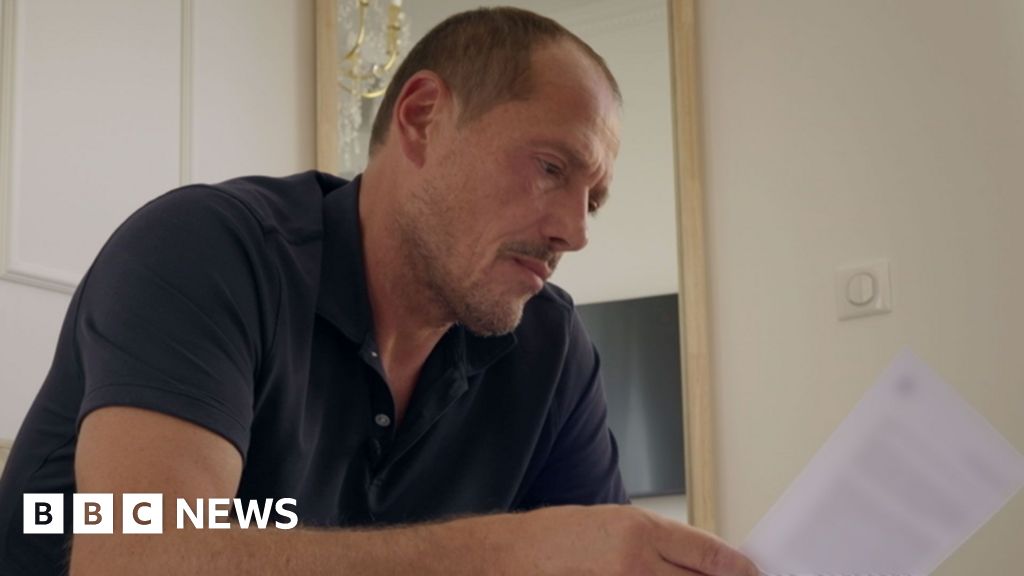
Russia using Interpol's wanted list to target critics abroad, leak revealsImage Credit: BBC News
Key Points
- •The Primary Tool: Russia is leveraging "Red Notices" and "Red Diffusions"—alerts sent to Interpol's 196 member countries requesting the location and provisional arrest of individuals—to pursue its critics.
- •The Targets: Those caught in the net include not only high-profile political figures but also business executives and journalists who have fallen foul of the Kremlin. The charges are typically financial, such as fraud, but the underlying motivation appears political.
- •The Data: A decade's worth of data shows that Interpol’s internal complaints unit, the Commission for the Control of Interpol’s Files (CCF), has received more complaints about Russia than any other nation—three times more than the next highest country, Turkey.
- •A Pattern of Reversals: The data also indicates that complaints against Russian requests have resulted in more cases being overturned than for any other country, underscoring the dubious nature of many of Moscow's submissions.
- •Financial Paralysis: "You can't rent an apartment, your bank accounts get blocked," he explains. The alert effectively freezes an individual's ability to function in a modern economy.
Russia Using Interpol's Wanted List to Target Critics Abroad, Leak Reveals
A massive leak of internal files from Interpol exposes for the first time the scale and nature of Russia's systematic campaign to weaponize the international policing agency, targeting political opponents, journalists, and business leaders who have fled the country. The data, provided by a whistleblower to the BBC and French investigative outlet Disclose, paints a damning picture of a system being abused to extend the Kremlin's reach far beyond its borders.
Analysis of the thousands of leaked documents reveals that Russia is by far the most prolific source of complaints to Interpol's independent watchdog, suggesting a pattern of politically motivated arrest requests disguised as legitimate criminal pursuits. The findings raise urgent questions about the integrity of international law enforcement cooperation and the safety of Russian dissidents worldwide.
The Core of the Leak
The leaked files reveal a clear and sustained effort by Moscow to manipulate Interpol's powerful alert system.
- The Primary Tool: Russia is leveraging "Red Notices" and "Red Diffusions"—alerts sent to Interpol's 196 member countries requesting the location and provisional arrest of individuals—to pursue its critics.
- The Targets: Those caught in the net include not only high-profile political figures but also business executives and journalists who have fallen foul of the Kremlin. The charges are typically financial, such as fraud, but the underlying motivation appears political.
- The Data: A decade's worth of data shows that Interpol’s internal complaints unit, the Commission for the Control of Interpol’s Files (CCF), has received more complaints about Russia than any other nation—three times more than the next highest country, Turkey.
- A Pattern of Reversals: The data also indicates that complaints against Russian requests have resulted in more cases being overturned than for any other country, underscoring the dubious nature of many of Moscow's submissions.
A Life Derailed: The Case of Igor Pestrikov
The abstract data finds a human face in the story of Igor Pestrikov, a Russian businessman whose experience illustrates the devastating personal and financial consequences of being targeted by a politically motivated Interpol alert.
"When you're hit with a red notice, your life changes completely," says Pestrikov, whose name appears in the leaked files. He fled Russia in June 2022, four months after the full-scale invasion of Ukraine, and sought asylum in France. It was there he discovered Moscow had issued a "Red Diffusion" for his arrest.
The impact was immediate and crippling.
- Financial Paralysis: "You can't rent an apartment, your bank accounts get blocked," he explains. The alert effectively freezes an individual's ability to function in a modern economy.
- Constant Fear: Pestrikov describes the psychological toll as "constant nerves, all the time," and the feeling of being a "cornered rat." He says the police can "break into your house at any time," forcing him and his family to live in a state of perpetual anxiety.
- Family Separation: For their safety, Pestrikov’s daughter and her mother were forced to move to another country. "It's the stress, the nerves, the pressure, the lawlessness inflicted on you," that he says breaks families apart.
The Kremlin's Playbook: From Business to Blacklist
Pestrikov’s case provides a blueprint for how Russia turns business disputes into international manhunts. A major shareholder in Russian metals companies, including the Solikamsk Magnesium Plant, he says he came under immense pressure from government ministers in the run-up to the 2022 invasion.
The demand was simple: stop exporting his products and supply them exclusively to the Russian domestic market. Pestrikov believed this was a directive to feed Russia's war machine, as his products could be used in military hardware like fighter jets and tanks.
His refusal was based on both business sense and morality. "It wasn't just that he was against 'having to sell much cheaper and to whoever the ministries told me to,'" the source material notes, but that "it was a moral issue as well... no-one wanted to get involved even indirectly in the production of something used to kill people."
Retaliation was swift. Pestrikov alleges his companies were nationalized and a state investigation was launched against him for financial crimes—a common tactic used against uncooperative business figures. The Red Diffusion, issued after he fled to France, was the final step in this campaign. After a nearly two-year battle, the CCF eventually ruled that Russia's request was "predominantly political" and had it removed.
Interpol's Troubled Response
Interpol, which facilitates cooperation among police forces but is not a global police force itself, maintains that it has robust systems to prevent such abuse. In a statement, the agency highlighted that thousands of serious criminals are arrested annually through its work and that its safeguards have been strengthened in recent years.
Following the 2022 invasion of Ukraine, Interpol stated it had introduced "extra checks" on Moscow's requests. However, the leak suggests these measures have been insufficient.
- Ineffective Checks: The continued successful challenges against Russian notices, like Pestrikov's, indicate that politically motivated requests are still passing through Interpol's initial filters.
- Whistleblower's Claim: Most concerning is the whistleblower's allegation that some of the stricter post-invasion monitoring measures on Russia were later quietly dropped, raising questions about the agency's commitment to policing its own system.
- Constitutional Conflict: This entire situation flies in the face of Interpol's own constitution, which expressly forbids the organization from undertaking "any intervention or activities of a political, military, religious or racial character."
Implications and The Path Forward
The leak confirms what critics have long suspected: Interpol's systems are vulnerable to exploitation by authoritarian regimes seeking to project power and silence dissent globally. This presents a significant risk not only to activists but to the international business community, where falling out of favor with a powerful state can now lead to global financial exclusion and the threat of arrest.
The revelations put immense pressure on Interpol to reform. The agency faces a fundamental challenge: how to maintain its crucial role in fighting transnational crime while preventing its tools from being co-opted for political persecution. Without more transparent and rigorous oversight, the credibility of its iconic red alerts is at risk. For individuals like Igor Pestrikov, and countless others, the question is whether these reforms will come before their lives are irrevocably damaged.
Source: BBC News
Related Articles
ARRY Stock Sinks Despite Market Gains: What to Know
Array Technologies (ARRY) stock declined 2.5% in the latest session, contrasting with market gains. Find out why the solar stock fell and what it means for inve
Jay Vine Wins Tour Down Under 2026 After Kangaroo Crash
Australian cyclist Jay Vine secures the overall victory at the 2026 Tour Down Under despite a dramatic final-stage crash involving a kangaroo.
Trump's New Defense Strategy: Allies Must Fund Own Security
The Trump administration's new National Defense Strategy realigns US policy, demanding allies assume primary responsibility for their own security and defense c
S&P 500's Flawless Forecaster Flashes Major Warning
A market indicator with a perfect 69-year track record, a surge in margin debt, is flashing its most serious warning of a downturn since the 2008 crisis.