Russia-Ukraine Peace Talks: Is a Deal on the Horizon?
You know that feeling when you and your partner have been bickering about where to put the new sofa for what feels like an eternity, and then one of you finally says, “Fine, I saw a floor plan on Instagram that I don’t completely despise”? That’s a pretty good analogy for the latest development in the Russia-Ukraine war.
In a move that has international relations experts collectively raising an eyebrow, Russian President Vladimir Putin has acknowledged a 28-point outline for peace talks. Now, let’s be clear: this isn’t a peace deal tied up with a neat little bow. It’s more like both sides have agreed to at least look at the same menu, even if they have vastly different ideas about what to order. But after years of devastating conflict, a glimmer of hope is a welcome sight.

The 28-Point Peace Plan: A Blueprint for Peace or a Mirage?
The specific details of this 28-point peace plan are being guarded more closely than a state secret. However, based on insider whispers, here’s a breakdown of what’s likely on the table:
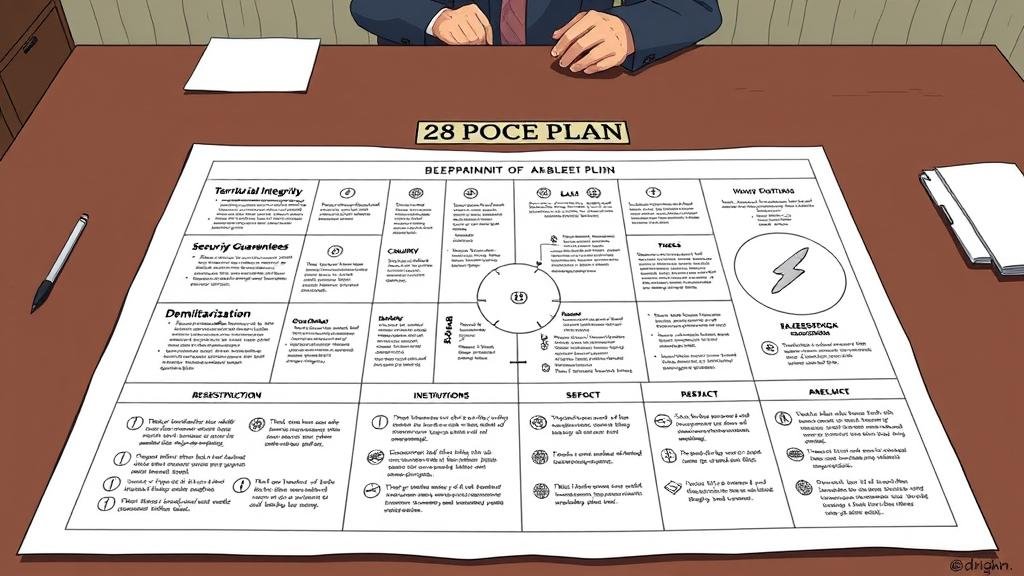
- Territorial Integrity and Sovereignty: This is the main event. Ukraine, led by President Zelenskiy, insists on the restoration of its 1991 borders. Russia, which has annexed Crimea and parts of the Donbas, has a different perspective. This outline is meant to provide a framework for discussing this contentious issue without immediate deadlock.
- Security Guarantees: Ukraine is seeking legally-binding security guarantees from several global powers. Think of it as having the world’s most powerful nations as your emergency contacts, ensuring that any peace deal isn’t just a temporary truce.
- Demilitarization and Neutrality: This is a key demand from Russia. They want Ukraine to commit to not joining military alliances like NATO and to scale back its armed forces. It’s the geopolitical equivalent of saying, “I’ll be less aggressive if you promise not to build a military fortress on my doorstep.”
- Economic Reconstruction and Reparations: The war has shattered Ukraine’s economy. A major part of the discussion is figuring out who will foot the bill for rebuilding. The plan reportedly includes a multi-billion dollar fund, with the term “reparations” being a significant point of contention.
- Humanitarian Issues: This covers the most pressing human aspects of the conflict, such as prisoner exchanges, the return of displaced persons, and ensuring safe passage for humanitarian aid.
Putin’s Cautious Tone: A Real Shift or a Strategic Move?
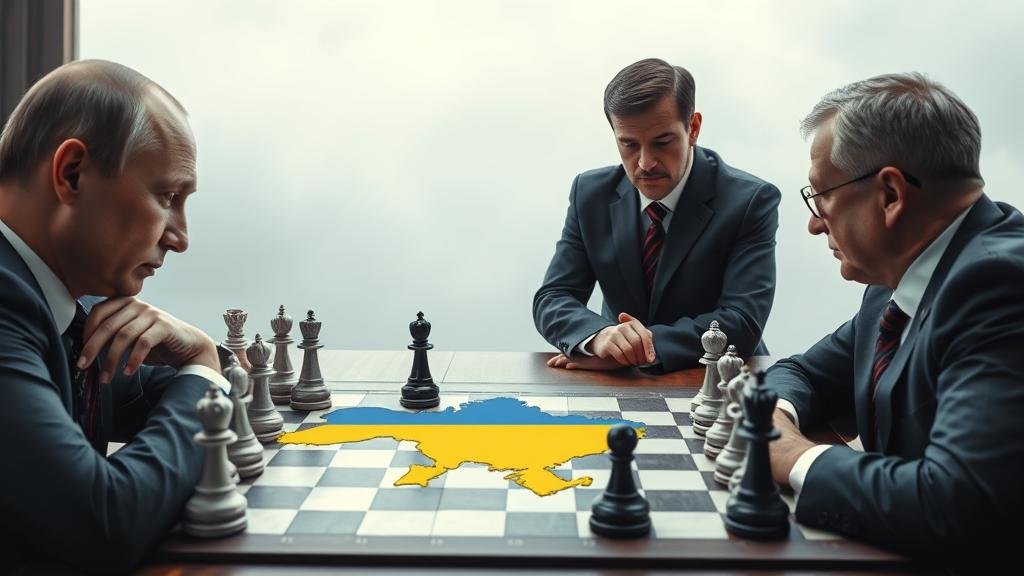
Putin’s recent comments, acknowledging that the “American side takes into account our position” regarding a US peace plan, represent a notable shift from his typically uncompromising rhetoric. In the world of diplomacy, that’s practically a friendly nod.
So, what’s behind this change? It could be the cumulative weight of a prolonged war, the economic strain from sanctions, and increasing international isolation. Or perhaps it’s a strategic shuffle to gauge reactions. Putin also made it clear that if he doesn’t get a deal he likes, he’s prepared to “fight on.” So, it’s less “let’s hold hands” and more “I’m willing to listen… for now.”
The View from Kyiv and Washington
Meanwhile, Ukrainian and American officials are playing it cool. They’ve acknowledged the ongoing talks but are projecting a cautious “we’re reviewing the document” vibe. The official stance from Kyiv remains firm: any agreement must respect Ukraine’s sovereignty and right to exist. The U.S. is supporting its ally while exploring diplomatic channels to end the war in Ukraine.

The Road Ahead: Potholes and Possibilities
Let’s be realistic. The path to a lasting peace deal is fraught with obstacles. The deep-seated mistrust, complex political dynamics, and raw wounds of the conflict make a quick resolution unlikely. Reaching a sustainable agreement will require immense diplomatic skill and a genuine will for peace from all sides.
However, for the first time in a long while, there’s a tangible reason for cautious optimism. A shared document, a potential roadmap—this is a significant step forward. A peaceful resolution to the Russia-Ukraine war isn’t just crucial for the two nations involved; it’s vital for global stability and the world economy. After all, a more stable world is a more prosperous one for everyone.