AINER –>
Russia’s Ultimatum: The Alaska Framework and the Future of Ukraine Peace Talks
Russian Foreign Minister Sergei Lavrov has issued a stark ultimatum that has significantly altered the landscape of the Russia-Ukraine peace talks. Moscow’s position is now firmly anchored to a previous round of negotiations, colloquially known as the “Alaska talks,” signaling a take-it-or-leave-it stance. This declaration has sent ripples of concern through the international community, raising serious questions about the viability of future diplomatic engagement and whether a path to peace is being unilaterally closed off.
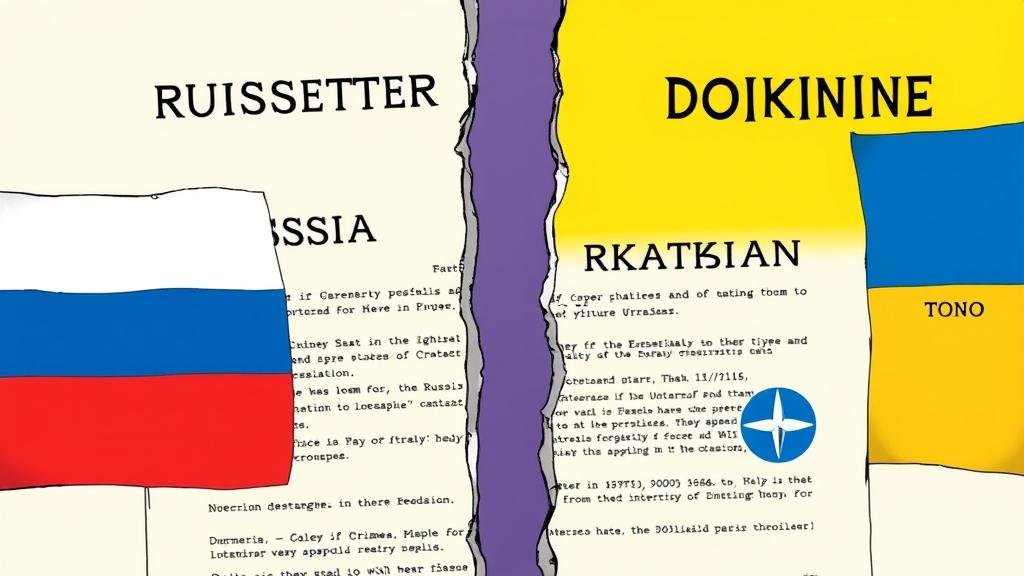
The “Alaska Framework”: A Contentious Blueprint for Peace
The “Alaska talks” refer to a high-level, discreet summit held in Anchorage between senior US and Russian officials. While the complete details of the discussion were not made public, it is understood that the summit produced a potential framework for de-escalation. This roadmap reportedly included provisions for a ceasefire, phased troop withdrawals, and a proposed resolution for the status of contested territories.
Lavrov’s recent statements assert that Moscow considers this framework non-negotiable. He has publicly stated that Russia is not open to any revisions of the “fundamental principles” agreed upon in Alaska, warning that any attempts to introduce changes will be rejected.
This rigid position places the United States and its allies, particularly Ukraine, in a challenging predicament. The original Alaska proposal received a polarized response. While some diplomats viewed it as a pragmatic, albeit difficult, step towards ending the conflict, the Ukrainian government expressed significant reservations. Kyiv argued that the terms appeared to reward Russian aggression and failed to adequately respect Ukraine sovereignty.

Core Areas of Disagreement
The primary points of contention within the Alaska framework are significant barriers to a comprehensive peace agreement:
- The Status of Crimea: The proposal is said to have outlined a “transitional period” for the peninsula, which Russia annexed in 2014. This directly conflicts with Ukraine’s unwavering position that Crimea must be returned unconditionally.
- The Donbas Region: The framework included a complex power-sharing arrangement that would grant considerable autonomy to the self-proclaimed republics in the Donbas. Kyiv viewed this as a de facto concession that would legitimize Russian-backed separatist control.
- NATO Expansion: A central and long-standing Russian demand has been a legally binding guarantee that Ukraine will not join the North Atlantic Treaty Organization (NATO). The Alaska plan reportedly proposed a “moratorium” on new NATO members rather than a permanent ban. While intended as a concession to Russia’s security concerns, this was perceived by many as granting Moscow undue influence over the alliance’s sovereign decisions.
A High-Stakes Geopolitical Strategy
Lavrov’s ultimatum represents a bold strategic maneuver in the ongoing geopolitical tensions. Analysts are divided on whether this is a negotiating tactic designed to pressure the West into concessions or an indication that the Kremlin’s patience with diplomatic processes has genuinely worn thin.
The international response has been one of unified concern. A U.S. State Department spokesperson reiterated the need for a “just” solution that “respects Ukraine’s sovereignty,” signaling that Washington is not prepared to accept Russia’s terms wholesale. European leaders echoed this sentiment, emphasizing that a lasting peace cannot be “imposed by force.”
Global Consequences of Diplomatic Stalemate
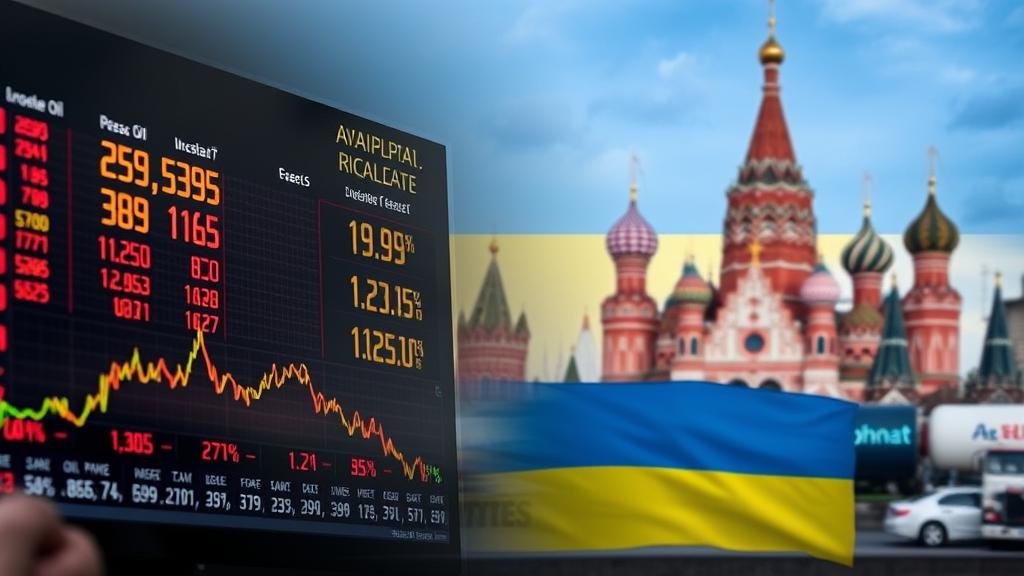
The implications of this diplomatic impasse extend far beyond Eastern Europe, directly affecting the global economy. A prolonged conflict exacerbates instability, contributing to volatile energy prices, increased food costs, and persistent supply chain disruptions that impact households worldwide.
This escalation brings the world closer to a new era of sustained geopolitical rivalry. A complete breakdown in the Russia-Ukraine peace talks could trigger a dangerous escalation of the conflict, with unpredictable consequences. Financial markets have already reacted to the uncertainty, with equities falling and oil prices rising, reflecting the fragility of the current global landscape.
The Uncertain Path Forward
The diplomatic road to peace appears increasingly obstructed. The chasm between Russia’s demands and what the West and Ukraine are willing to concede is widening, making a compromise more challenging than ever.
The coming months will be critical in determining the direction of this conflict. The international community watches to see if the key stakeholders can find common ground or if entrenched positions will lead to a more dangerous and prolonged confrontation. The stakes are extraordinarily high, and the hope for a peaceful resolution remains precariously balanced.